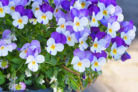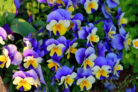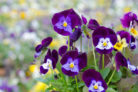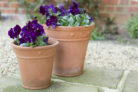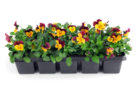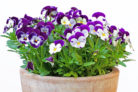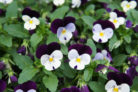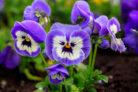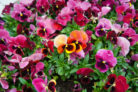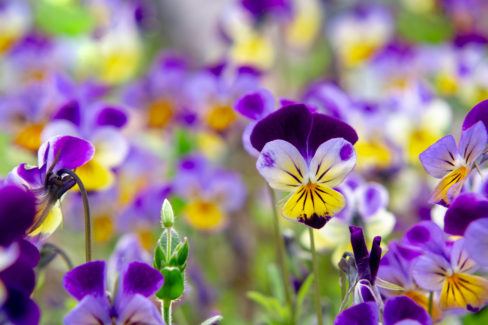
If you’re a fan of pansies, you’re going to absolutely love Johnny Jump Ups (also known as Viola cornuta). While their blooms might be a bit smaller than your typical pansy, they make up for it by blooming much longer and being way more resilient. Let’s dive into everything you need to know about these charming little flowers.
Fun Facts About Johnny Jump Ups
Beyond the basics, there are a few things that make these violas special. They originally hail from the mountainous regions of the Pyrenees, which explains why they’re so tough and can handle cooler, rougher climates. If you look closely at the back of the flower, you’ll see a tiny “spur,” which is actually where its botanical name comes from. These little beauties are perfect for planting under taller perennials, but they also look fantastic in rock gardens or patio containers. Just a pro-tip: keep them toward the front of your flower beds so they don’t get hidden by their larger neighbors!
The Quick Profile
Every gardener needs a “cheat sheet” for their plants. Here are the fast facts on Johnny Jump Ups:
- They belong to the Viola family.
- They are native to the high altitudes of the Pyrenees.
- They have a low-growing, herbaceous habit.
- Their main blooming season runs from May through September.
- They feature evergreen, oval-shaped leaves with slightly notched edges.
- They thrive in full sun to partial shade.
- They are hardy down to about 5°F (-15°C).
- They love to self-seed, but you can also propagate them through seeds, division, or cuttings.
- They are excellent for naturalizing in your garden.
- The flowers are actually edible and make a beautiful garnish.
- Note: The entire plant is toxic to cats.
Care, Location, and Soil
One of the best things about Johnny Jump Ups is how low-maintenance they are. Once you’ve tucked them into the right spot, they’ll often take care of the rest, spreading and naturalizing on their own. Plus, they love to cross-pollinate with other violas or pansies, so don’t be surprised if you see brand-new color combinations popping up every year!
When it comes to location, they aren’t too picky—sun or partial shade works great. They’re perfect for flower beds, rock gardens, or even lining a garden path. The key is the soil: they like it consistently moist but well-drained. A loose, nutrient-rich soil with plenty of organic matter is ideal. Even though they love moisture, they hate “wet feet” (standing water), so if you’re planting them in pots, make sure to add some drainage like broken terracotta shards at the bottom. If you’re growing them in containers or window boxes, just use a high-quality potting mix and they’ll be happy campers.