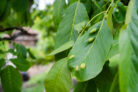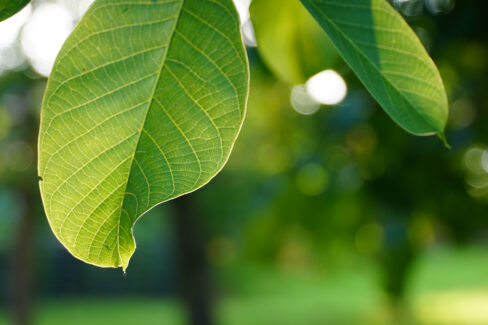
If you’ve got a walnut tree in your yard, you probably know the struggle. Those leaves are packed with tannins and essential oils that can turn your compost pile acidic and stall the breakdown of your other garden scraps. But don’t worry—you don’t have to bag them up for the curb! With a few simple tricks, you can totally compost walnut leaves without a headache.
The Acid Issue in Walnut Leaves
Walnut leaves are full of essential oils and tannic acid. While these compounds are great for keeping mosquitoes away, they aren’t exactly “compost-friendly” for two main reasons:
- The acid makes the leaves rot incredibly slowly.
- They can lower the pH of your entire compost pile, making it too acidic for most plants.
Shred Your Leaves First
Because of that high acid content, walnut leaves take forever to decompose on their own. You can speed things up significantly by running them through a shredder or mulching them with your lawnmower first. Breaking them into tiny pieces helps them mix better with other garden waste, which kickstarts the decomposition process. Plus, it prevents the acid from concentrating in one spot. If you have a lot of leaves, a dedicated garden shredder is your best friend here.
Sweeten the Soil with Lime
If your compost is getting too acidic, you can “sweeten” it by adding lime. This neutralizes the acid and makes the finished compost safe for plants that prefer a more balanced pH. Just a heads-up: wait until shortly before you plan to use the compost to add the lime. A good rule of thumb is about two pounds of lime for every four cubic yards of compost. I recommend using garden lime or even better, seaweed lime (lithothamnium), and be careful not to overdo it!
Start a Separate “Acid Pile”
The easiest way to handle walnut leaves? Give them their own space. By starting a separate compost pile just for walnut leaves and other acidic garden waste, you don’t have to worry about ruining your main batch. You can still shred them or add lime if you want to speed things up, but it’s not strictly necessary. Once it finally breaks down, you’ll have a specialized “ericaceous” compost that certain plants absolutely love.
Using Your Acidic Compost
While “sour” or acidic compost isn’t great for every plant in your garden, some species will think it’s a gourmet meal! It’s the perfect fertilizer for:
- Bog plants
- Woodland plants
- Heather
- Rhododendrons
- Azaleas