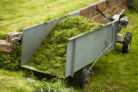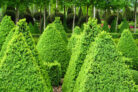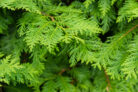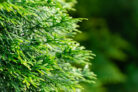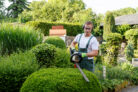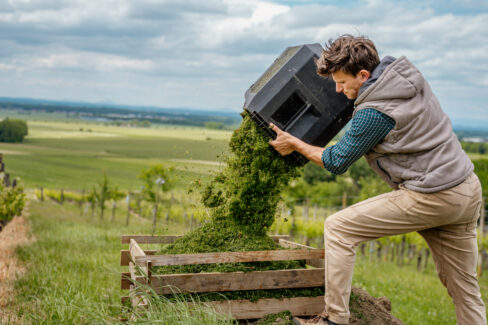
After giving your hedge a good trim, you’re usually left with a massive pile of clippings. If you’re dealing with Thuja (also known as Arborvitae), you might be wondering: “Is it actually safe to toss these in the compost?” It’s a fair question, especially since we know Arborvitae is toxic to both humans and pets.
Can you compost Thuja clippings despite their toxicity?
The toxic compounds in Thuja are found in the essential oils present throughout the entire plant. The good news is that these substances break down naturally over time once they hit the compost pile. As long as you follow a few simple steps, composting your clippings is perfectly safe:
- Shred them with a wood chipper
- Alternatively, cut them into very small pieces
- Cover the pile as a precaution
- Mix them thoroughly with other compost materials
The right way to shred or cut Arborvitae
By shredding or finely chopping your Thuja branches, you’re helping them rot much faster and making it easier to mix them with your other green waste. Plus, these shredded clippings make an excellent protective mulch layer for the base of your hedge. Not only does this prevent water from evaporating on hot days, but the clippings also release vital nutrients back into the soil, acting as a natural fertilizer.
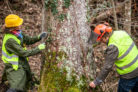
Safety first! When you’re cutting or shredding Arborvitae, don’t skip the protective gear. While the biggest danger comes from ingesting the plant, the sap and flying dust particles can cause nasty skin irritations or allergic reactions. Here’s how to stay safe:
- Wear long sleeves and pants to protect your skin
- Use sturdy gardening gloves
- Wear safety goggles or sunglasses to protect your eyes
- Use a mask to avoid breathing in dust
Covering and mixing your Thuja scraps
To keep curious kids and pets safe, it’s a smart move to cover your compost pile for a while after adding fresh Arborvitae clippings. Just make sure the pile doesn’t dry out completely and that air can still circulate.
One thing to keep in mind: once Thuja decomposes, it creates a very acidic humus. Since not every plant in your garden loves high acidity, you should definitely mix the clippings with other materials like fallen leaves or grass clippings to balance things out.