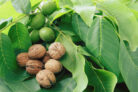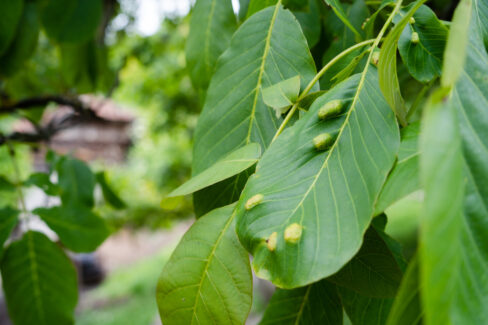
Walnut tree leaves are way more than just a canopy for the tree itself. They’ve got some pretty cool properties that make them useful for both us and our furry friends. If you’ve got a walnut tree in your yard or are thinking about planting one, here’s the lowdown on what makes these leaves so special.
What Do Walnut Leaves Look Like?
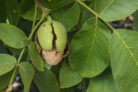
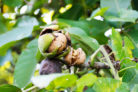
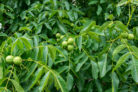
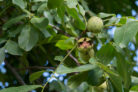
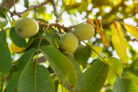
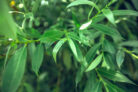
A typical walnut leaf is about three to four inches long, sitting on a stem that’s roughly one to two inches. Shape-wise, they range from a long oval to a wider ellipse, usually tapering off at both ends.
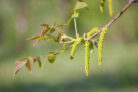
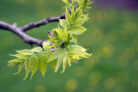
When they first bud in the spring, they actually have a reddish tint before turning a deep, vibrant green. You’ll notice the underside is always a bit lighter than the top. Come autumn, the foliage shifts into a classic yellow-brown hue.
Why the Leaves Are Vital for the Tree
These leaves are the lifeblood of the walnut tree. You can really see this if the tree suffers from frost damage. If a late frost is harsh enough to kill off a large portion of the leaves, it’s often game over for the entire tree. They really depend on that foliage to thrive!
The “Late to Rise, Early to Bed” Growth Cycle
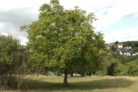
If you feel like your walnut tree spends a lot of time looking like a skeleton, you’re not imagining it. Walnut trees are famous for staying bare for a long stretch. They tend to drop their leaves quite early in the fall and are notoriously slow to bud out again in the spring. Don’t be surprised if your tree is still totally leafless well into May!
A Natural Bug Repellent
Walnut leaves are packed with essential oils that give off a very specific scent. While we usually only notice it if we crush a leaf in our hands, bugs are much more sensitive to it. It’s actually a great natural deterrent for flies, mosquitoes, moths, and even fleas. They find the aroma totally off-putting and usually steer clear.
Walnut Leaves as a Natural Remedy
In the world of herbal medicine, walnut leaves are a bit of a superstar. They can be used both topically and internally, thanks to a powerhouse of ingredients:
- Tannins
- Flavonoids
- Vitamin C
- Glycosides
They are particularly well-known for helping with skin issues and are believed to have properties that fight off bacteria, fungi, and parasites.
Using the Leaves Topically
For external use, walnut leaves are often turned into compresses, baths, or rinses. This is a go-to method for soothing skin conditions like psoriasis, eczema, or even athlete’s foot.
Using the Leaves Internally
When brewed as a tea, walnut leaves are said to help settle digestive issues. To make it, just pour boiling water over a few leaves and let them steep for about ten minutes. Strain them out, and your tea is ready to go. Just a pro-tip: don’t drink this tea for more than six weeks at a time. Taking a break prevents your body from getting too used to it, keeping the remedy effective!