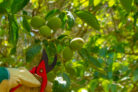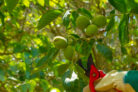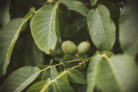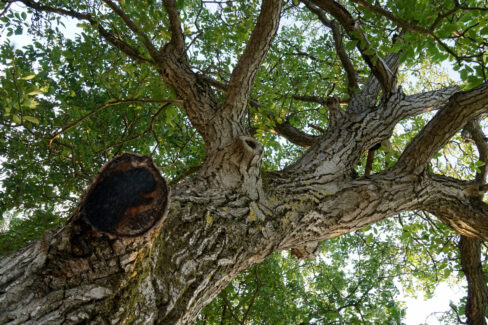
Walnut trees are full of sap, which can lead to a pretty surprising sight when you prune them: they “bleed” quite heavily. For most healthy trees, this isn’t a huge deal, but if a tree loses too much sap, it can actually lead to some serious issues.
Why is my walnut tree bleeding?
If you’ve ever tried pruning a walnut tree, you’ve probably noticed an intense flow of sap from the cuts. This happens because walnut trees have incredibly powerful root systems. These roots create so much pressure that sap is forced out of any opening. Think of this sap as the tree’s natural defense mechanism; it’s basically flushing out the wound and keeping it clean until it can heal over completely.
Is the bleeding dangerous?
In most cases, a healthy, vigorous walnut tree can handle a bit of bleeding without any trouble. However, there are exceptions where excessive sap loss can cause problems, potentially damaging the tree’s delicate internal vascular system.
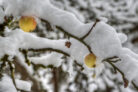
The real danger comes with the weather. If it freezes during the winter, that sap can freeze right inside the wounds, causing the wood tissue to expand and tear. Plus, all that extra moisture creates the perfect breeding ground for pests, diseases, and fungal infections.
Timing is everything
To keep your tree happy, you want to prune when the sap flow is naturally at its lowest. Whatever you do, never prune in the winter when there’s a risk of frost! The “sweet spot” for pruning is usually between mid-August and late September. At this point, the tree has finished its summer growth spurt but hasn’t quite started its winter dormancy prep yet.
Here is the golden rule for walnut pruning:
- Only prune in late summer—ideally August or September.
- Never prune in the spring or right after the leaves fall in early winter.
What to do if the bleeding won’t stop
If your tree starts bleeding heavily after a cut, the best thing you can do is… nothing! Don’t try to patch it or stop the flow with sealants. Remember, that bleeding is the tree’s way of cleaning itself out. It’s not uncommon for a walnut tree to drip for several weeks, but don’t panic—it’s a totally natural phenomenon. Even the heaviest bleeding will eventually stop on its own once the tree is ready.