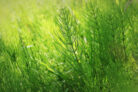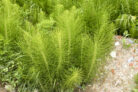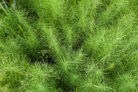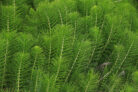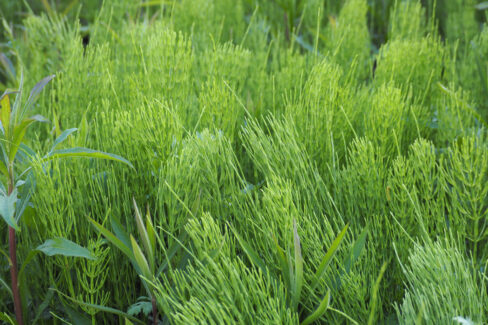
Horsetail (bot. Equisetum arvense), often called “shavegrass,” is a real powerhouse in the garden. This plant has been a go-to herbal remedy for centuries, but it’s also a secret weapon for organic pest control and even shows up on dinner plates in parts of Asia.
When is the best time to harvest horsetail for drying?
If you’re looking to stock up, the sweet spot for harvesting horsetail is late spring through mid-summer—basically from May until late July or early August. You’ll want to pick it before the stems get too woody. Once they toughen up, it’s much harder to extract those beneficial compounds, especially the silica that makes this plant so famous.
How do I dry horsetail the right way?
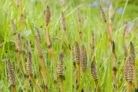
When horsetail first pops up in the spring, you’ll see “fertile” shoots that look a bit like mushrooms or asparagus tips. These are just for reproduction and almost make it look like the plant is blooming. You can skip these for drying; they aren’t what we’re looking for.
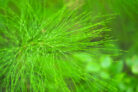
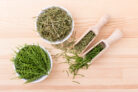
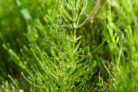
A little later, the sterile summer shoots appear—these are the bright green, feathery ones that look like little pine trees. Snip off the top two-thirds of these young shoots. To dry them, find a spot with good airflow out of direct sunlight. Once they’re nice and crispy, store them in a dark, dry place (a simple paper bag works great).
What can I do with dried horsetail?
You can use dried horsetail pretty much the same way you’d use the fresh stuff, just remember that the dried version is more concentrated, so you’ll need a lot less of it. A quick heads-up: if you’re thinking about using it for health reasons, it’s usually safer to stick with store-bought tea or supplements from a pro rather than DIY-ing it.
However, feel free to go wild using it as a natural plant strengthener! Just make sure you’ve identified it correctly, as it has a look-alike called Marsh Horsetail that you’ll want to avoid. Fun fact: it’s often called “shavegrass” or “pewterwort” because the high silica content made it a perfect natural scrub brush for cleaning tin and pewter back in the day!
Quick Facts:
- Location: Loves sunny spots with moist, loamy soil.
- Harvest Season: May through August.
- Traditional Home Uses: Often used for things like bladder issues, sore throats, or inflammation.
- Garden Uses: Boosts plant immunity and helps fight off pests and diseases (especially powdery mildew and aphids).
Pro Tip: Horsetail tea or fermented “jive” is a fantastic tonic for roses and other flowering plants to keep them hardy and beautiful.