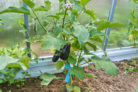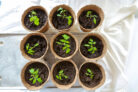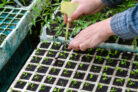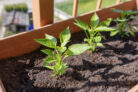
Chilis love the heat, which makes them the perfect candidates for greenhouse growing. But if you want a massive harvest and pest-free plants, there are a few insider tips you need to know. Here’s how to set your peppers up for success!
The Right Soil (Substrate)
One of the biggest challenges in a greenhouse is the soil. Since it’s protected from the elements, it doesn’t get refreshed naturally and can wear out fast. Chilis are “heavy feeders,” meaning they need nutrient-rich soil to produce all those beautiful blooms and peppers. If you’ve been growing in the same spot all season, your soil is likely depleted.
Before you plant, give your soil some TLC. Start by loosening it up with a garden fork. Next, mix in a generous amount of fresh compost. This doesn’t just add nutrients; it reintroduces essential microorganisms that often die off during the dry winter months in a greenhouse. If your beds are looking a bit full, feel free to scoop out some of the old topsoil and toss it on your compost pile first.
I also recommend mixing in a slow-release fertilizer, like organic pellets or horn meal, to keep them fed long-term. Pro tip: Give the ground a deep soak *before* you put your plants in. Greenhouse soil is often bone-dry just a few inches down, even if the surface looks damp.
Managing the Heat
Greenhouses can get incredibly hot, and while established peppers love the warmth, it can be tough on youngsters. For newly transplanted chilis, ventilation is your best friend. If you have a greenhouse with automatic roof vents, you’re golden! If not, make sure to open the doors on sunny days.
Another great trick is to mulch the soil. This keeps the moisture from evaporating too quickly and helps maintain a steady soil temperature so your plants don’t get stressed out.
Humidity Hacks
Getting the humidity “just right” in a greenhouse can be a bit of a balancing act. If it’s too dry, you’re practically inviting spider mites to dinner. If it’s too humid, aphids will move in and make themselves at home.
The good news? If it’s too dry, it’s an easy fix. Just give the area a good soak. You can even mist the leaves—just make sure to do this on a cloudy day or when it’s not too hot to avoid scorching the foliage. On the flip side, if things are getting a bit swampy and you spot aphids, crank up the ventilation to drop that humidity level.