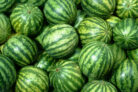
You can find fresh watermelon at the grocery store almost all year round these days. Even though they’re often picked early to survive the long trip to the produce aisle, they usually still taste sweet and refreshing. The secret? Watermelon season is actually pretty flexible depending on where in the world they’re being grown.
Roots in South Africa
The watermelon originally hails from South Africa. Down there, the warm climate allows for harvests almost throughout the entire year. To get a great crop, you don’t just need the right temperatures; you also need plenty of sunlight. When we’re shivering through winter in the Northern Hemisphere, conditions are perfect on the southern half of the globe, which is when those regions see their highest yields.
From Africa, watermelons spread across the globe. Today, they can be grown anywhere that stays warm for at least a few months during the summer. You can even grow them in cooler climates like Central Europe or the northern US, though you’ll definitely want to start your seeds indoors early to give them a head start on the season.
Growing Around the Globe
Even though South Africa is their ancestral home, the biggest players in the watermelon game are actually on different continents now. Watermelons thrive in tropical and subtropical climates, making them a staple crop in many warm regions.
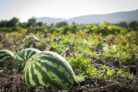
Currently, Asia leads the pack in production. China is the undisputed world leader, followed by India and Turkey. However, their global popularity has a bit of a downside in some places. In Australia, for example, “wild” watermelons have become an invasive species, competing with local plants for precious water and nutrients.
Harvesting the Perfect Melon
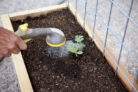
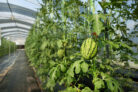
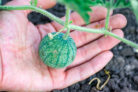
The best part? You can totally grow your own watermelons at home! They do great in a traditional garden bed, but they’re also surprisingly happy in greenhouses or even large containers. While they are actually pretty drought-tolerant once established, they are “heavy feeders,” meaning they need very nutrient-rich soil to produce those big fruits.
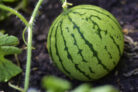
Whether you’re picking from your vine or the store shelf, you want to make sure the melon is fully ripe. Look for a rind that has turned a slightly duller green rather than super shiny. Give it a “thump” test, too—if it sounds hollow, it’s usually ready to go.
Just a heads-up: watermelons don’t have a very long shelf life. They don’t really ripen much after being picked, so it’s best to eat them as soon as possible. Once they’re off the vine, the clock starts ticking, and they can eventually start to ferment on the inside if left too long.