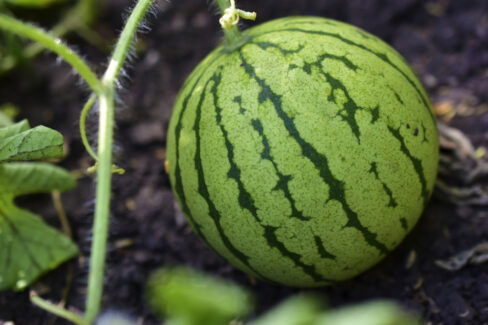
Growing your own watermelons from seed is actually a lot easier than you might think! Compared to their cousins in the gourd family, they’re surprisingly low-maintenance. As long as you can give them a warm, sunny spot to call home, they’ll reward you with some seriously delicious fruit.
Early Spring Sowing
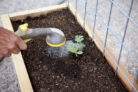
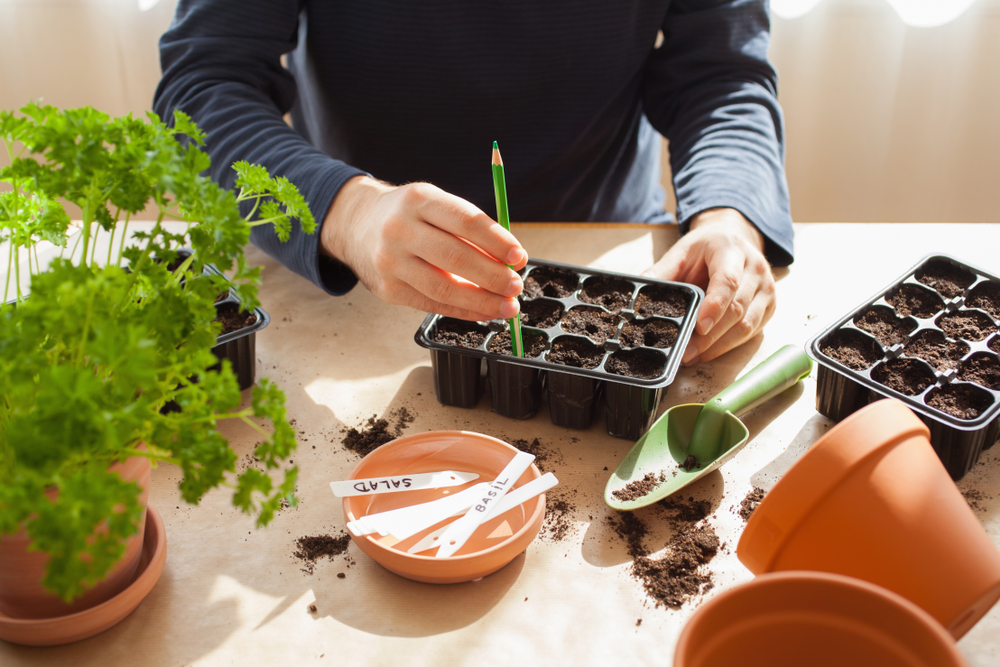
Watermelons need a long growing season to reach peak sweetness. To make sure yours actually ripen before the first frost, you’ll want to get those seeds started early. Aim to have them in the soil by April at the latest. Just a heads-up: if you start this early, you’ll likely need a grow light to keep the seedlings from getting “leggy” (tall and weak) while they search for sun.
If you’ve got a cool, bright room or a solid grow-light setup, you can even start as early as March. You can pre-germinate the seeds in a damp paper towel or plant them directly into some nutrient-rich potting mix.
If you’re growing smaller “personal-sized” varieties and live in a warmer climate, you can sometimes get away with direct-sowing them outside in mid-May.
Pot Culture and Greenhouse Tips
Watermelons originally hail from the warmth of South Africa, which means their natural growing season is actually during our winter! A common mistake gardeners make is treating them exactly like pumpkins or zucchini.
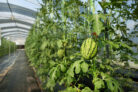
Even though they’re related, watermelons actually prefer things a bit drier. They love nutrient-dense soil, but they hate “wet feet.” This makes them perfect candidates for container gardening or growing in a greenhouse.
If you are using a greenhouse, try to pair them with neighbors that have similar tastes. Tomatoes are great companions because they also prefer lower humidity. I’d avoid planting them right next to cucumbers, though, since cukes love a much more humid environment.
Harvesting Your Watermelons
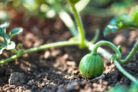
By mid-May, you should have your plants in the ground (or be direct-sowing those smaller varieties). If you’re growing in a greenhouse, you might be harvesting as early as late summer. Small-fruited varieties grown outdoors usually ripen pretty quickly, too.
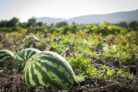
However, those big, classic watermelons take their sweet time and usually aren’t ready until the fall. So, how do you tell if they’re ready? Look for a deep green skin that has turned from shiny to matte. Give the melon a gentle lift and a tap—if it sounds hollow, it’s go-time!
Once it’s ripe, just snip it off the vine. You can keep it in a cool spot for a few days, but they’re definitely best enjoyed fresh.
Preserving the Harvest
Since watermelons are mostly water, they don’t stay fresh forever. If you have a “watermelon explosion” in your garden and can’t eat them all at once, don’t worry! You have options.
You can freeze melon chunks for smoothies, or if you’re feeling adventurous, try pickling the rinds or making watermelon jam. It’s a great way to make that summer flavor last a little longer!