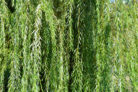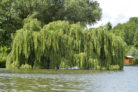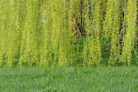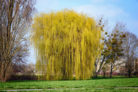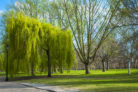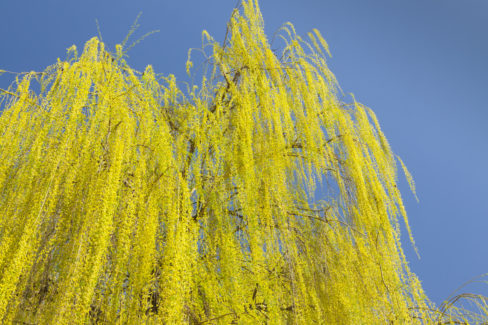
With its nectar-rich blossoms, the weeping willow is basically a five-star resort for beneficial insects. If you have one of these beauties in your yard, get ready for your garden to become a buzzing hub of activity for busy bees during blooming season. Here is everything you need to know about the flowering cycle of this iconic tree.
Beautiful and Beneficial Blooms
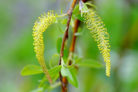
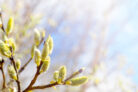
The weeping willow is one of those trees that provides a massive food source for insects, and it does so for a very good reason. As insects land to feed, they pick up pollen and help spread the tree’s seeds across long distances. By planting a weeping willow, you’re giving local bees a serious nutritional boost. As soon as the spring air warms up, you’ll first notice those cute, fuzzy little catkins forming. Once they fully bloom, the tree comes alive with the peaceful hum of happy bees.
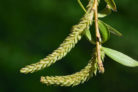
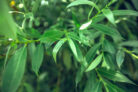
The actual flowers develop along these catkins. At the ends of fine little hairs, tiny blossoms open up with a very distinct look. One interesting thing about weeping willows is that they are dioecious—meaning individual trees are either male or female. A single tree will only carry flowers of one gender, which you’ll find tucked right next to the leaves on those graceful, sweeping branches.
Here are the quick specs on willow blooms:
- Length: Up to 2 inches
- Shape: Slender and cylindrical
- Color: Yellow
- Bloom time: April through late May
A Few Things to Keep in Mind
If you’re looking for a real showstopper, the male trees are particularly special during blooming season. In addition to the lush green foliage, male weeping willows produce vibrant yellow catkins that release a lovely, aromatic, slightly sweet scent into the air. It’s a total sensory experience!
One pro-tip: avoid pruning your tree when it’s in full leaf and bloom. First off, the sap is flowing heavily during this time, and heavy cutting can really stress the tree out. Secondly, weeping willows are prime real estate for nesting birds. Disturbing nesting sites isn’t just bad for the ecosystem; in many places, it can actually land you a fine. Unless you’re just snipping a few decorative branches for a vase or taking a couple of cuttings, it’s best to stick to the standard pruning schedule during the dormant season.