The White Willow isn’t just a looker because of its gorgeous, shimmering foliage. This tall, iconic tree also wins over gardeners everywhere with its signature blooms. Plus, those nectar-rich flowers are like a five-star buffet for all the beneficial insects in your yard.
Male and Female Flowers
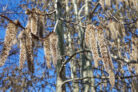
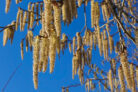
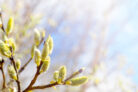
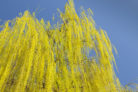
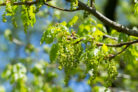
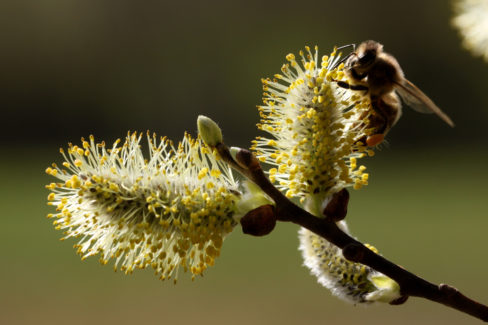
In the world of the White Willow (officially known as Salix alba), trees are either male or female. The easiest way to tell who’s who is by looking closely at the flowers. These fuzzy little blooms, called catkins, are bright yellow on male trees and a pale white-green on the females. The male catkins can grow up to about three inches long and stand fairly upright. On the other hand, the female flowers are a bit smaller and have a slightly curved shape as they peek out from between the leaves.
You can usually expect to see the first blooms popping up in May. Once they’re out, they become a magnet for local pollinators. These little guys buzz from tree to tree for nectar, spreading pollen as they go. For you as a gardener, this means a tree that’s literally humming with life. Between the silvery leaves and the busy bees, the White Willow creates a really special, lively atmosphere in any green space.
Bloom Overview
- Shape: Catkins
- Colors: Yellow or greenish-white
- Bloom Time: May
- Characteristics: Dioecious (separate male and female plants)
A Magnet for Bees
As soon as the leaves have fully unfurled in the spring, the flowers start to make their appearance. Generally, you’ll see these “dioecious” blooms (meaning they live on separate trees) from late April through May. They have a distinct cylindrical, fuzzy look to them. Because they bloom relatively early in the season, a large White Willow provides a vital food source for insects when not much else is in bloom yet.
Bees, in particular, absolutely love the White Willow. These hardworking collectors can’t get enough of the nectar. By planting one, you’re doing a huge favor for your local bee population—and you’ll get to enjoy the sight of a thriving, natural ecosystem right in your backyard. To keep your willow healthy and blooming beautifully, just make sure you prune it correctly at the right time of year!