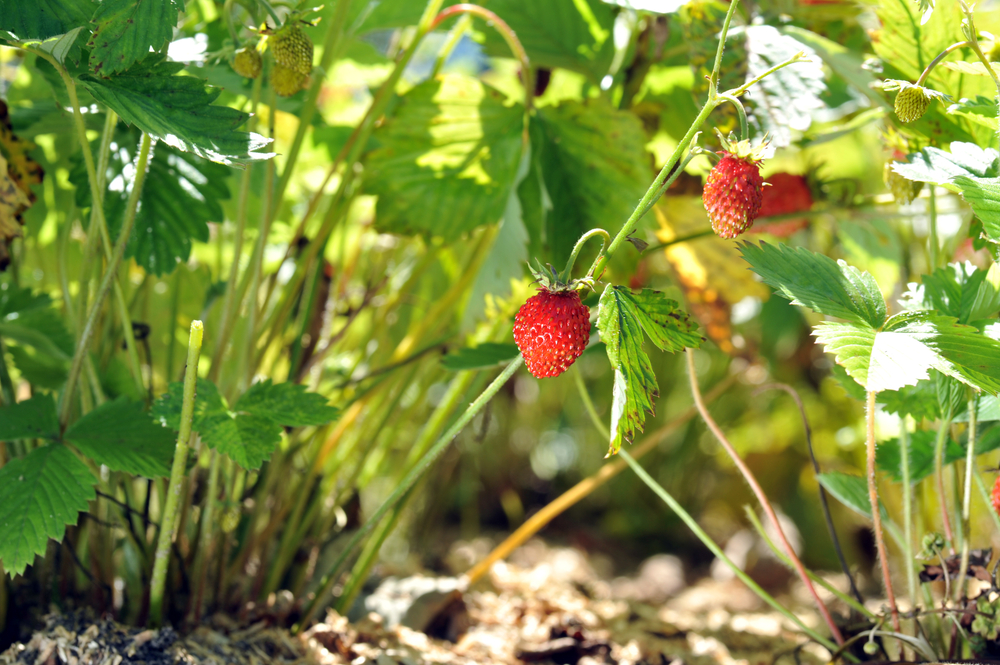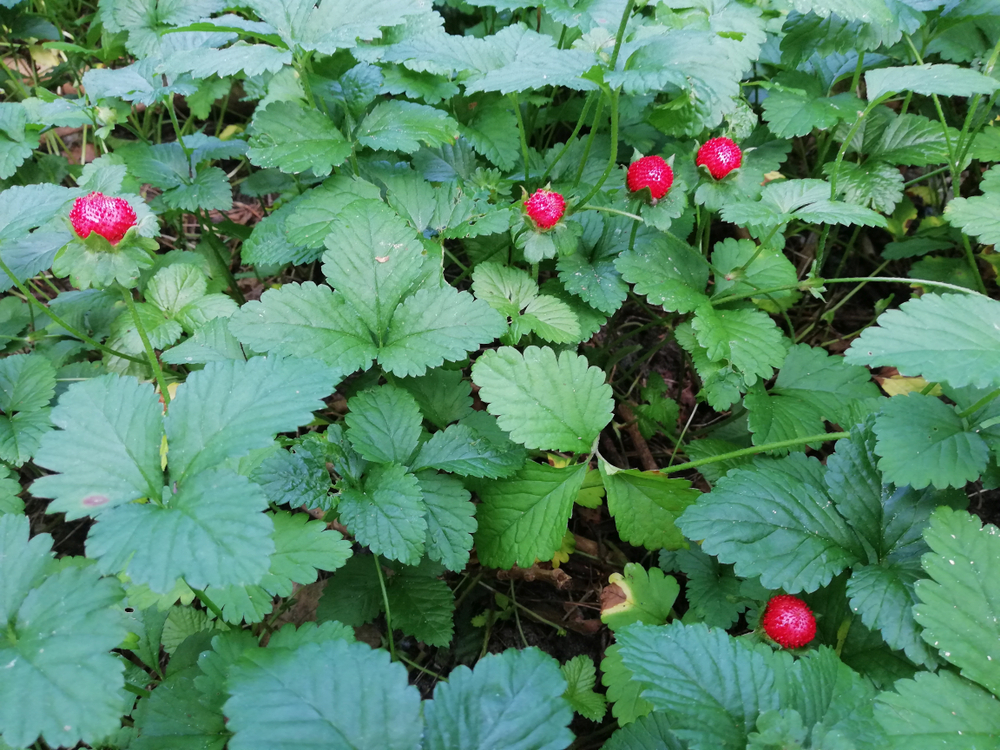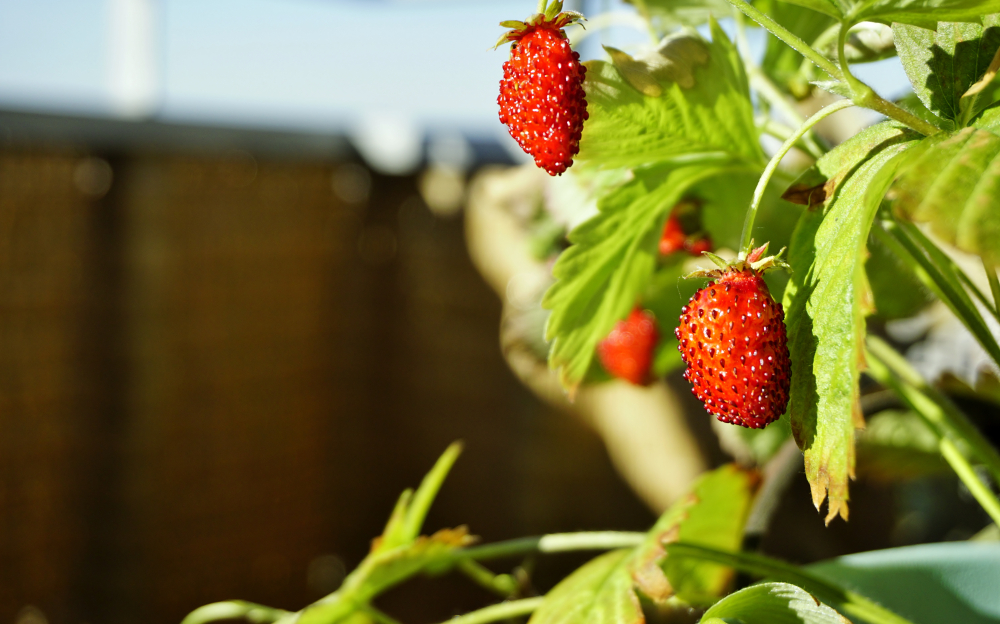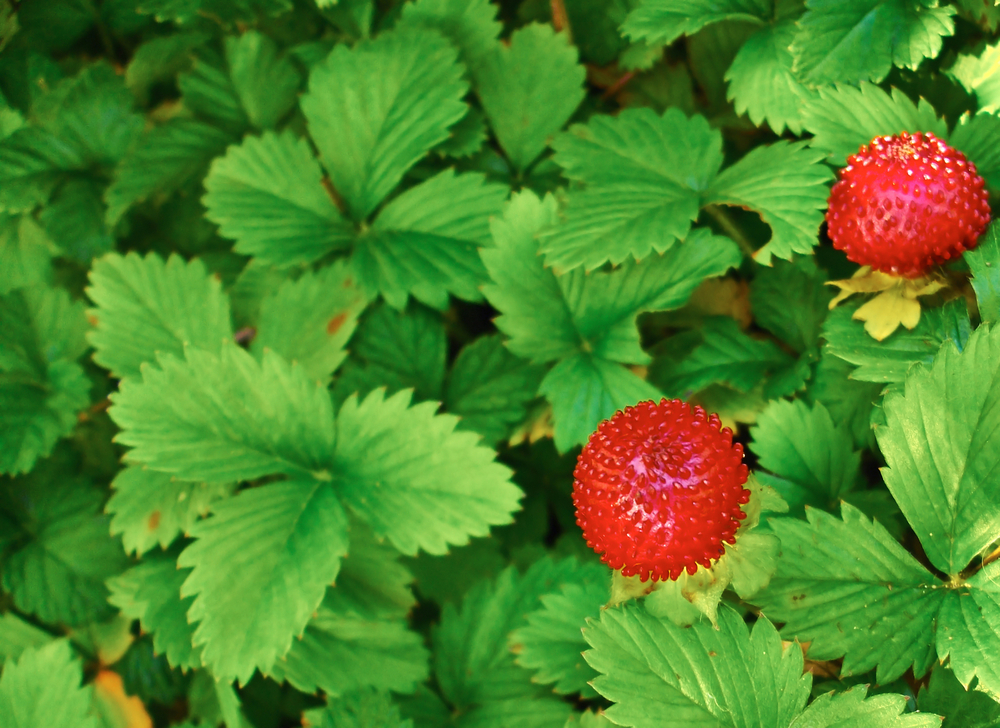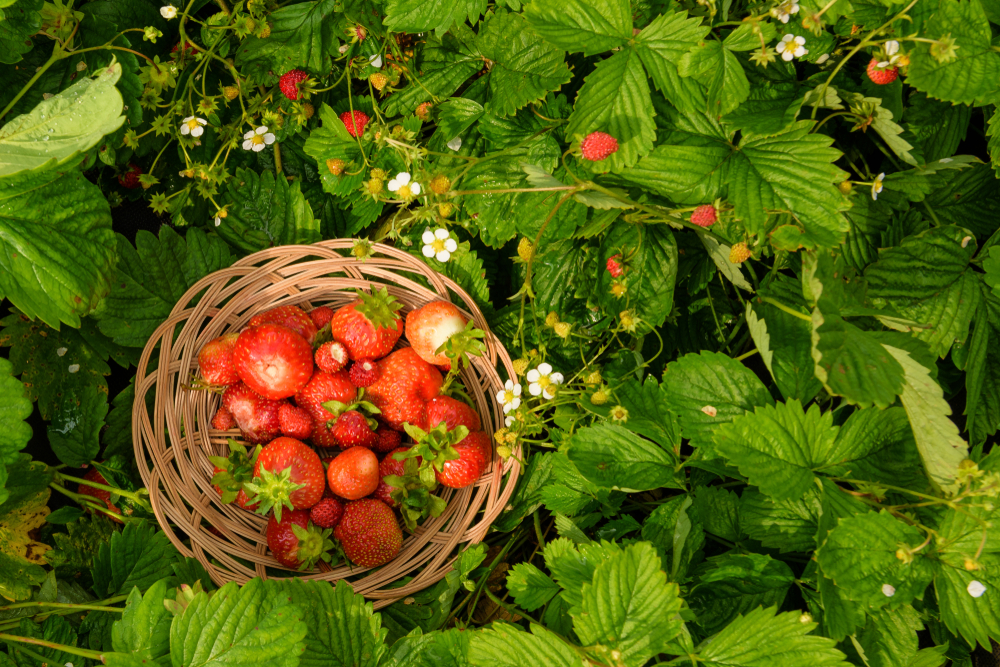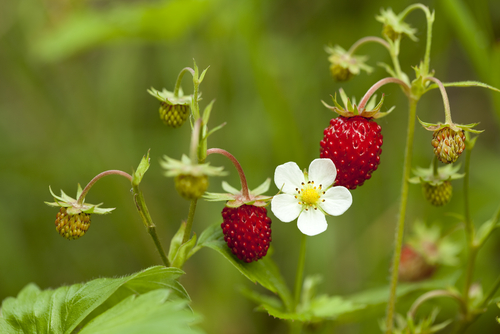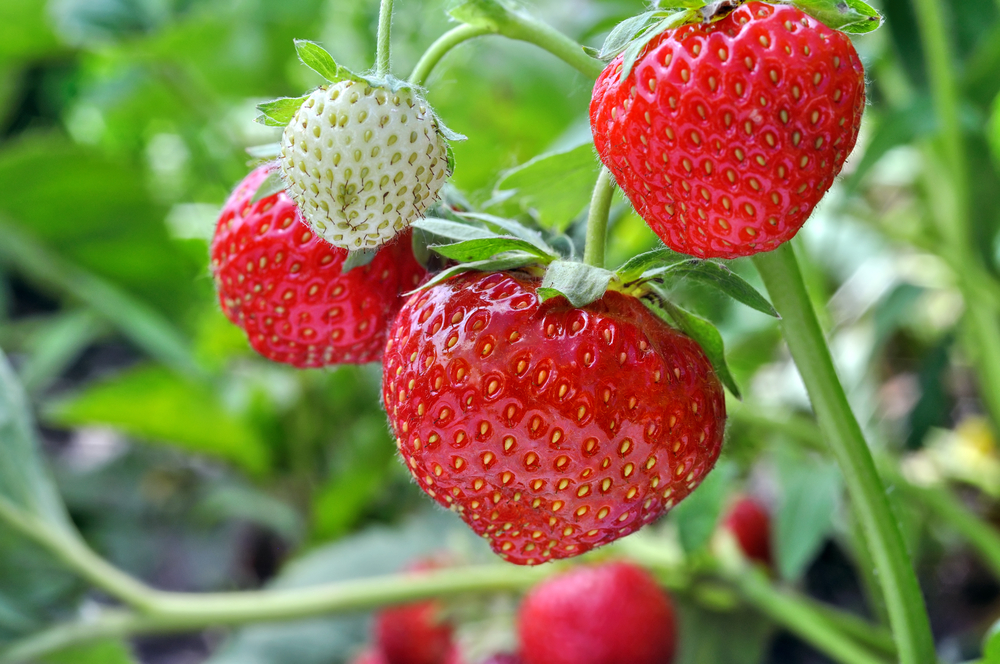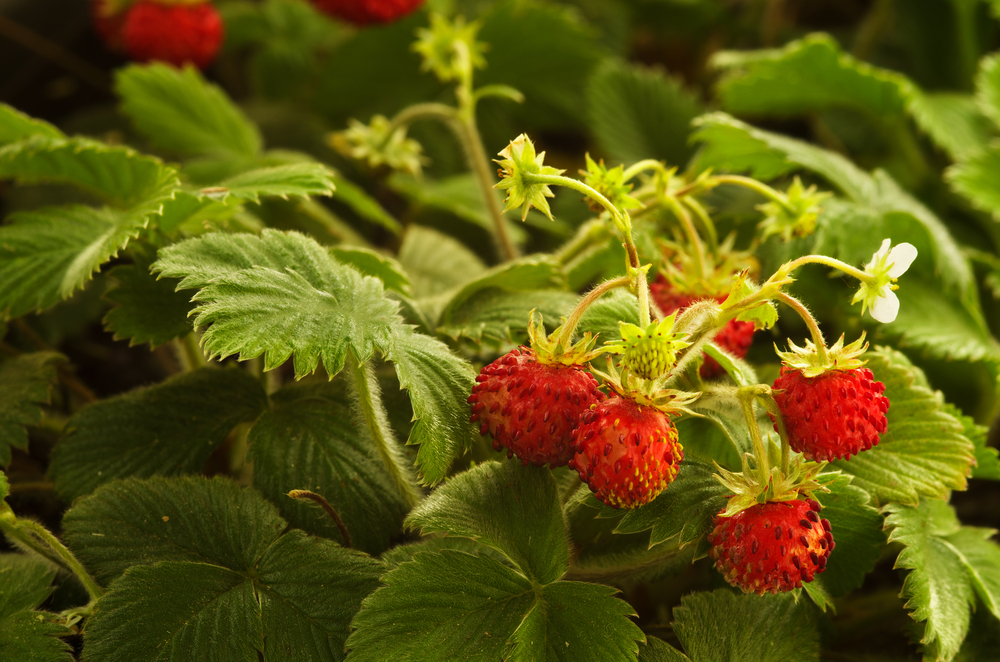
Don’t let the name fool you—wild strawberries (Alpine strawberries) are a completely different ballgame than the big garden strawberries we’re all used to. In fact, garden strawberries didn’t even descend from these little forest gems! They are two distinct plants with their own unique personalities, which means wild strawberries have their own specific set of rules when it comes to planting and care.
Growing Your Own Wild Strawberries
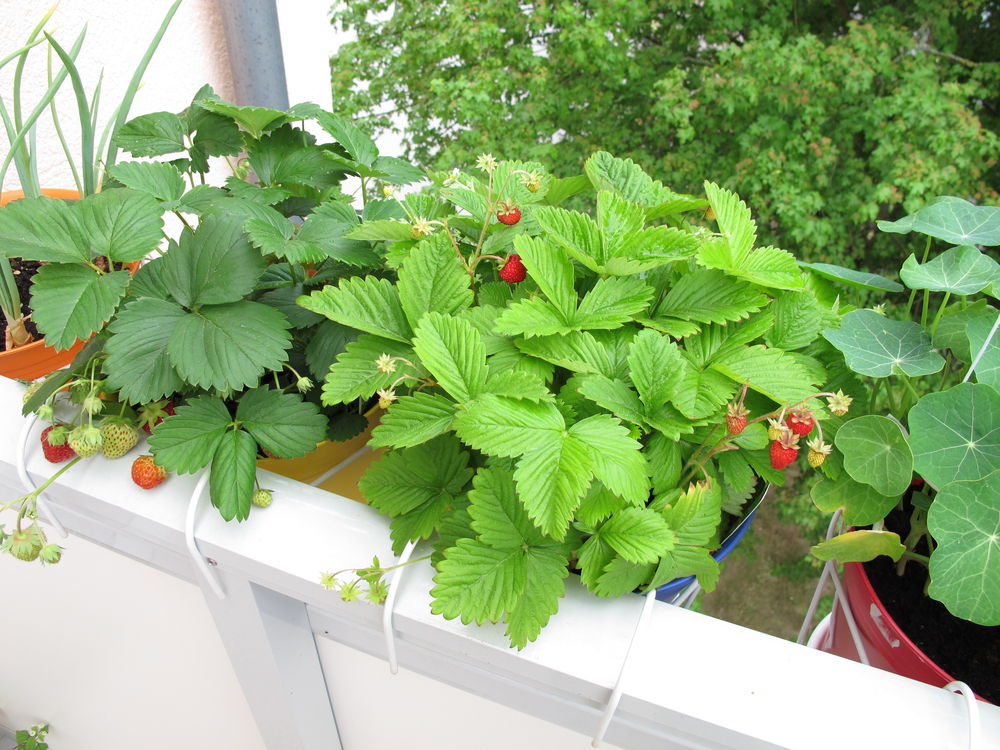
As the name suggests, you’ll mostly find these berries tucked away in the woods. While a forest hike sounds lovely, finding them can be a bit of a scavenger hunt since they love to hide in the underbrush. If you’d rather skip the search party and get straight to the snacking, the good news is that they are incredibly easy to grow yourself. They thrive beautifully in your backyard garden or even in pots on your balcony.
You can start from scratch with seeds or grab some established young plants from your local nursery. If you’re going the DIY route with seeds, you’ll want to start them indoors between late February and mid-March. Pro tip: soak the seeds in water for at least four hours before planting to give them a head start. For the best results, use a seed-starting mix blended with a little sand.
Germination and Potting On
To get those seeds popping, you’ll want to create a mini greenhouse. Cover your seed tray with a pane of glass or some plastic wrap. Keep them in a bright spot at about 65–70°F (18–20°C), and you should see sprouts within three weeks. Just make sure the soil stays consistently moist, and remember to lift the cover occasionally to let some fresh air circulate.
Once the seedlings are tall enough to touch the cover, it’s time to take it off for good. This is also your cue to “prick them out” (transplant them). You can fit about three or four little plants into a standard starter pot. They can hang out there until they’re ready for their “forever home” in the garden or a final planter. Keep that soil moist!
Finding the Perfect Spot: Light and Soil
Whether you raised them from seed or bought them at the store, your plants are eventually going to be ready for the great outdoors. Luckily, wild strawberries are way less finicky than garden strawberries. Since they naturally grow in everything from full sun to deep shade in the wild, you have a lot of flexibility.
Ideally, aim for partial shade. In nature, these berries usually live under the canopy of taller trees, so they aren’t used to baking in the sun all day long. That said, don’t stick them in a dark corner, either. They make great “neighbors” for taller plants like sunflowers or tomatoes, and they love living under shrubs or trees.
For the soil, try to mimic the forest floor: rich in organic matter, nutrient-dense, moist, and loose. About two weeks before planting, loosen the soil well and mix in some compost and horn meal (or a similar organic slow-release fertilizer). Let the soil settle for those two weeks. Right before you plant, just do a quick weeding—no need for deep tilling at this stage.
If you’re growing them in containers, standard potting soil mixed with a bit of compost works great. Just make sure you have good drainage so the roots don’t get “wet feet.” The best time to get them in the ground is mid-summer, specifically July or August.
How to Plant Your Wild Strawberries
Once your soil has settled, it’s go-time. About 30 minutes before planting, set your young plants in a bucket of water so they can hydrate. While they soak, clear any fresh weeds from the bed.
Dig a hole that is twice the width of the root ball, keeping the plants at least 8 inches (20 cm) apart. When you set them in, make sure the “crown” (where the leaves meet the roots) is level with the soil surface—don’t bury it too deep! Give them a generous watering once they’re tucked in.
If you’re using pots, the process is the same, just make sure you add a drainage layer at the bottom first. You can use:
- Gravel
- Small twigs
- Broken pottery shards
- Crushed stone
Care and Maintenance
Wild strawberries love soil that is moist but not soggy, with a surface that’s allowed to dry out slightly. To keep things balanced, I highly recommend mulching. This keeps the berries off the damp ground and prevents dirt from splashing onto your fruit when you water.
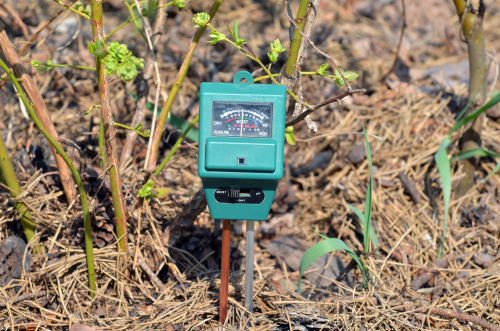
Check the soil with your thumb—if it feels slightly damp, you’re good. Avoid overwatering at all costs! For feeding, I usually stick to a three-step schedule:
- Before planting (compost/organic fertilizer)
- Right before they bloom (berry fertilizer)
- After the flowering stage (another round of berry fertilizer)
The Best Part: The Harvest
If you’ve treated them right, you’ll be snacking on tiny strawberries all summer long. They might be small, but the flavor is incredibly intense and sweet—way punchier than the grocery store variety!
Only pick them when they are fully red; wild strawberries don’t ripen further once they’re off the vine. To keep them fresh a little longer, harvest them with the stem and the little green cap (calyx) still attached. They don’t store very well, so eat them right away or turn them into the most amazing wild strawberry jam you’ve ever tasted!