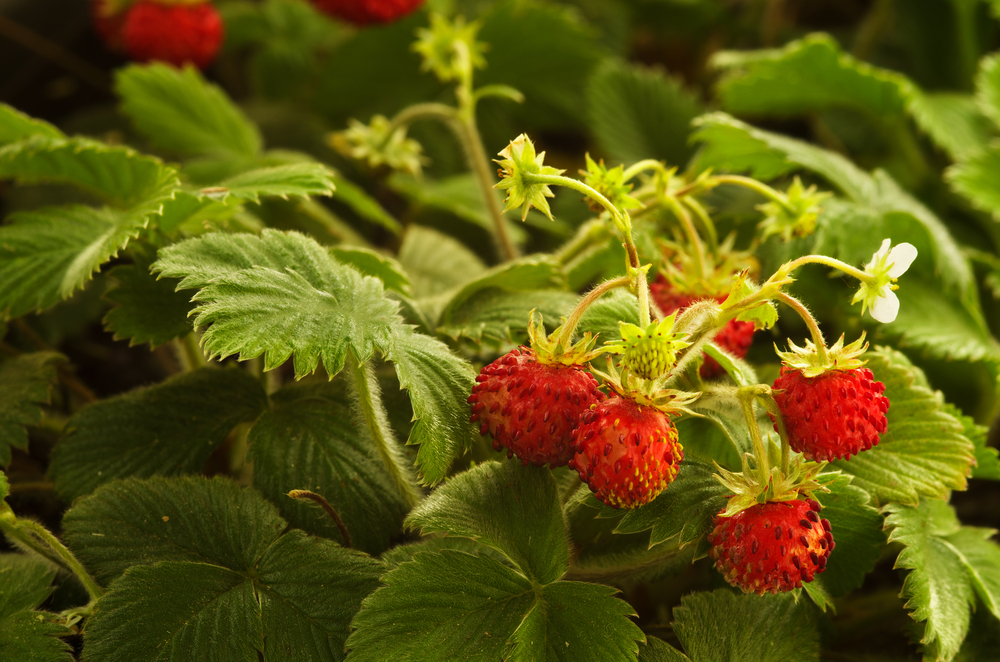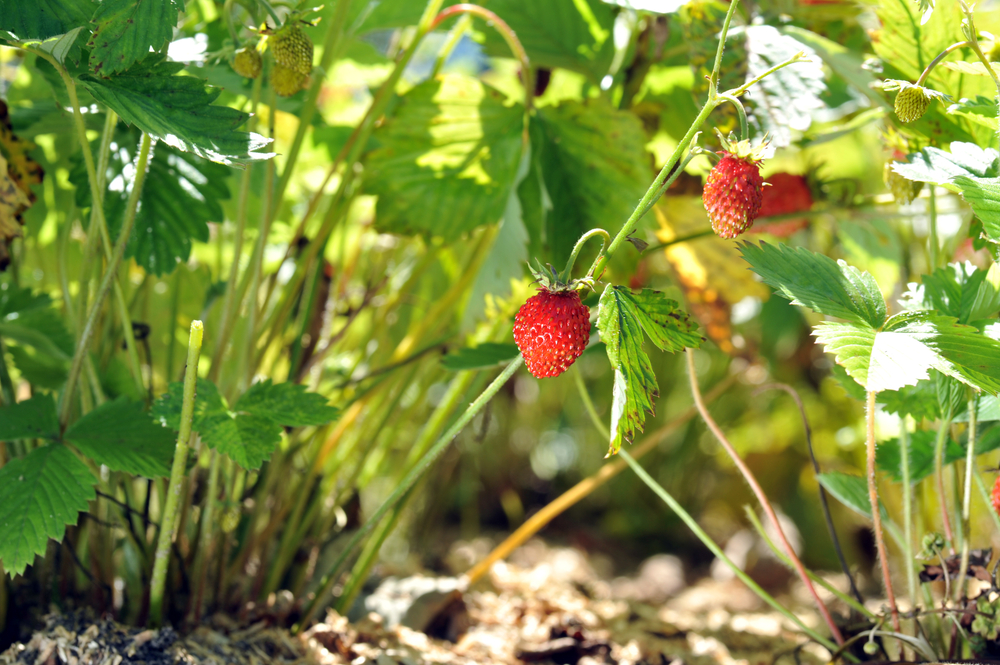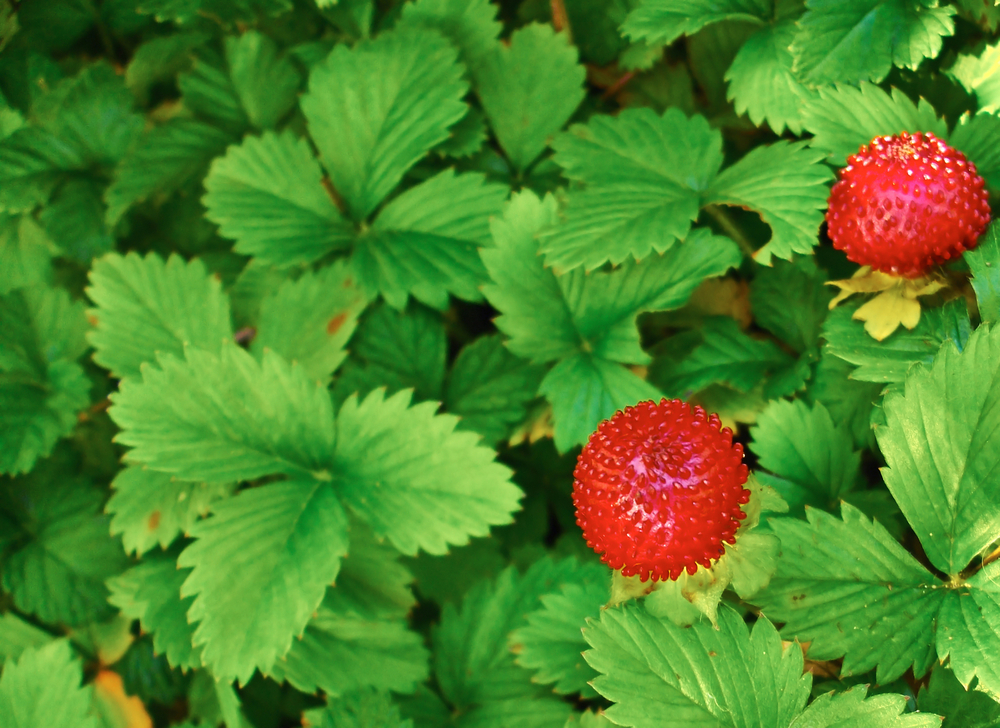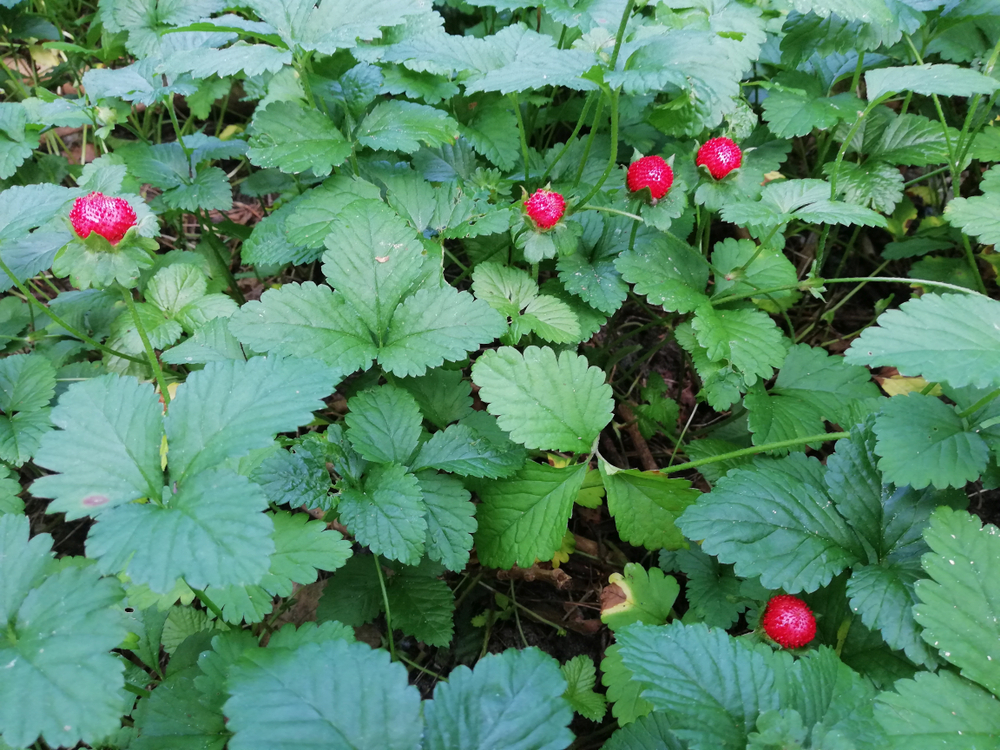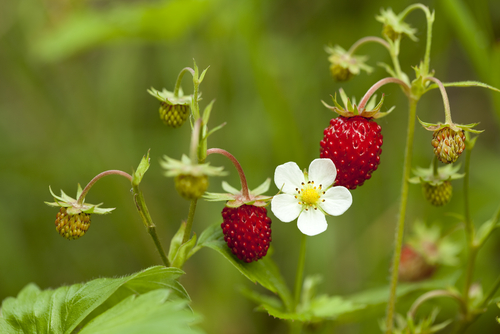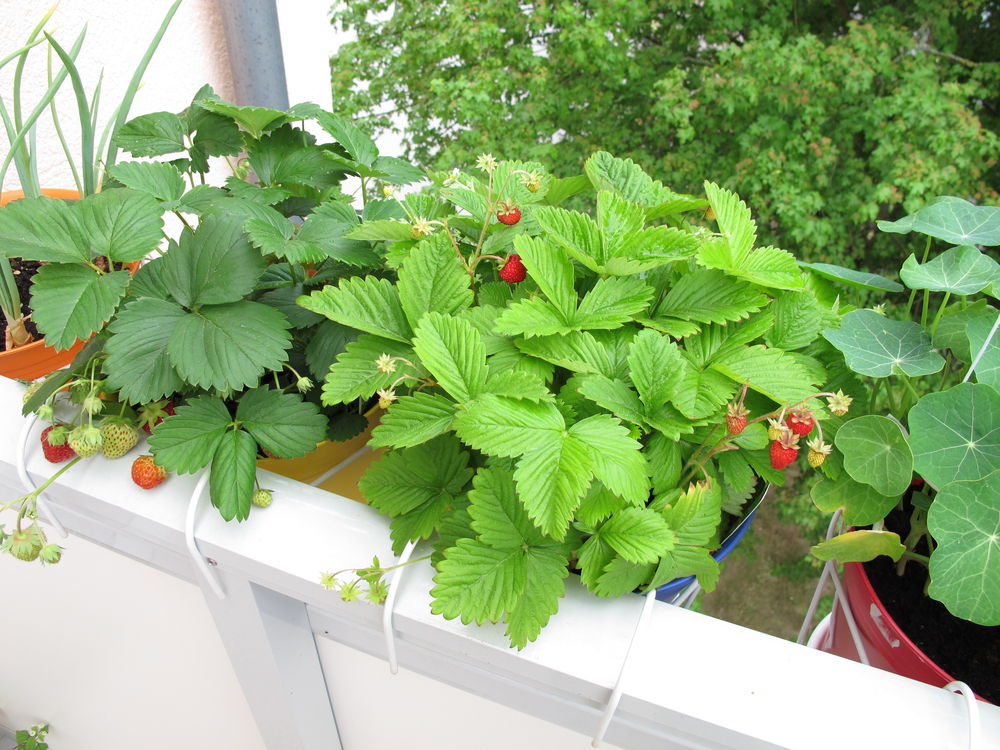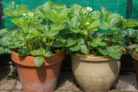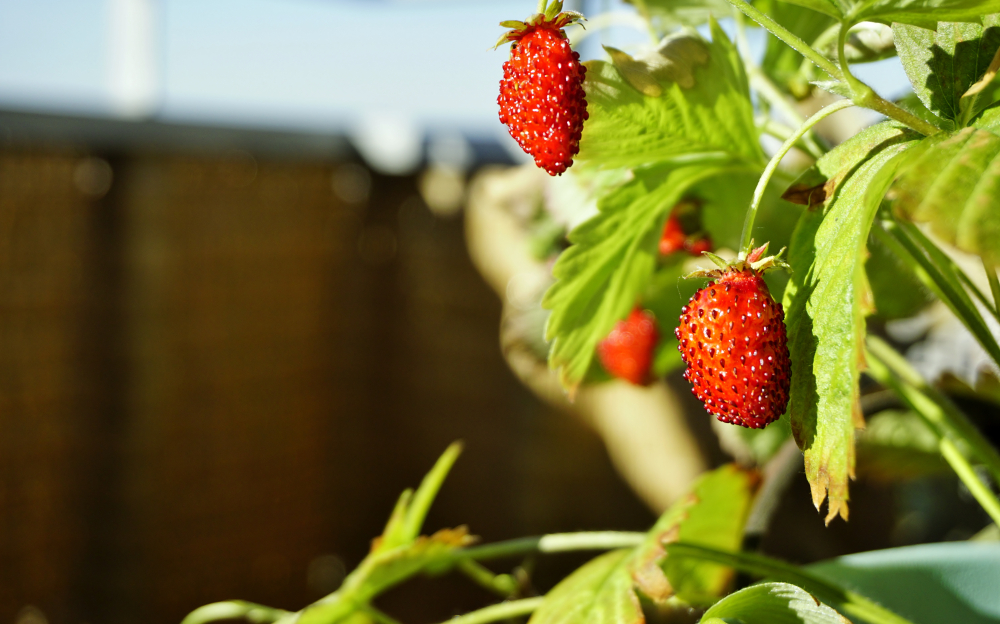
Wild strawberries are one of the best-kept secrets in the gardening world. They have an incredible, intense aroma that puts store-bought berries to shame, but you’ll almost never find them at the grocery store. The good news? You don’t need a massive backyard or a forest nearby to enjoy them. You can easily grow these little treats right on your balcony! Here’s everything you need to know to get started.
The Best Varieties for Balcony Gardening
When choosing wild strawberries for your balcony, look for compact varieties. These are perfect for window boxes, railing planters, or even hanging baskets. Larger varieties aren’t really built for small containers unless you have a massive planter or a deep raised bed to work with.
Here are some fantastic compact varieties that thrive in balcony pots:
- Waldkönigin: Features beautiful pure white blossoms and deep red fruit.
- Rosa Perle: Produces very aromatic berries that are perfect for whipping up a batch of homemade jam.
- Schwarze Hubertus: A real showstopper for your balcony decor with its shiny, bright red fruits.
- Waldfee: A heavy hitter when it comes to yield, producing tons of delicious deep red to dark red berries.
- Golden Alexandria: This one is gorgeous to look at; its foliage glows golden-yellow in the sun, and it produces impressively large fruit.
If you have a bit more space for a medium-to-large variety, I highly recommend Annelie. It’s a cross between a wild strawberry and a garden strawberry, making it super hardy with medium-sized, tasty berries.
Location and Care: Keeping Your Berries Happy
In the wild, these strawberries love the dappled light of the forest floor, tucked away under the shade of trees and shrubs. Because of this, you’ll want to avoid placing your wild strawberries in a spot with scorching, direct midday sun—especially on a south-facing balcony. They’ll be much happier if they have some “neighbors” to provide a little shade, like a tomato plant or a balcony palm.
When it comes to watering, consistency is key. Keep the soil moist, but be careful not to let the berries sit directly on wet dirt, or they’ll rot. A little layer of mulch goes a long way in preventing this!
Pro tip: Wait until the berries are fully colored before picking them. Unlike some fruits, strawberries won’t ripen further once they’ve been plucked from the plant. For a boost, give them some organic fertilizer before and after they bloom—since you’ll be eating these, you definitely want to keep things natural.
Once the final harvest is over, prune the plants back, being careful to leave the “heart” (the center bud) intact. Since potted plants are more vulnerable to freezing, give them some winter protection. Place your pots on an insulated base like wood or Styrofoam, wrap the container in bubble wrap or garden fleece, and cover the soil with a cozy layer of straw or wood wool.