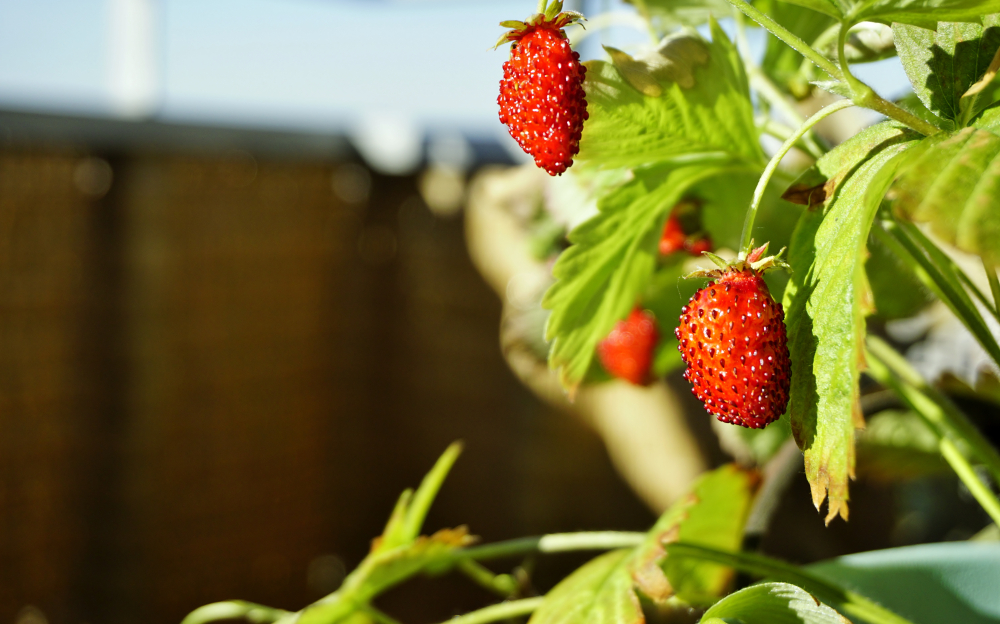
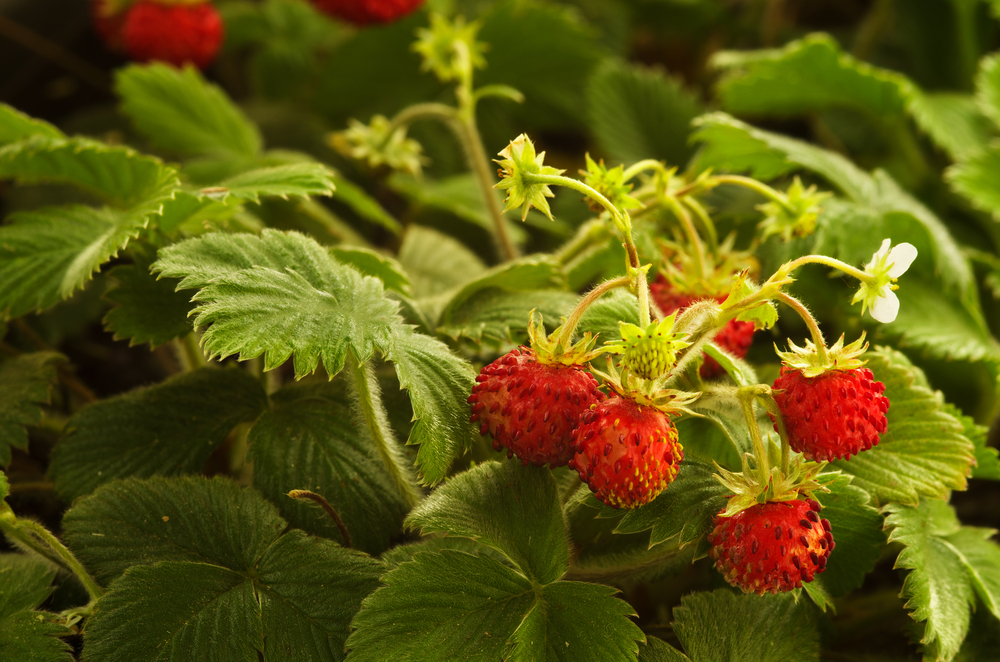
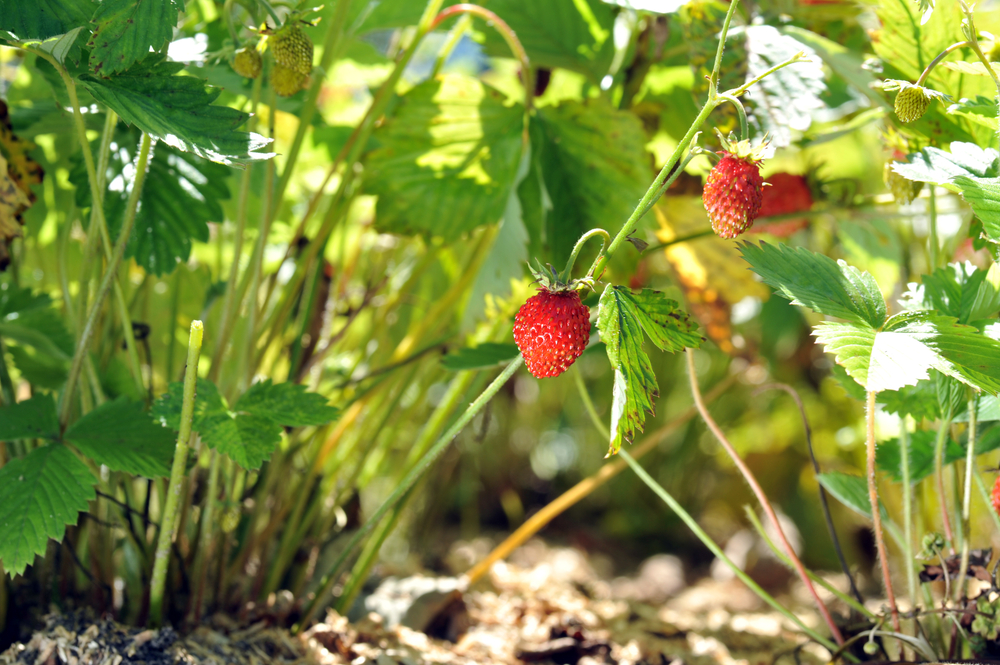
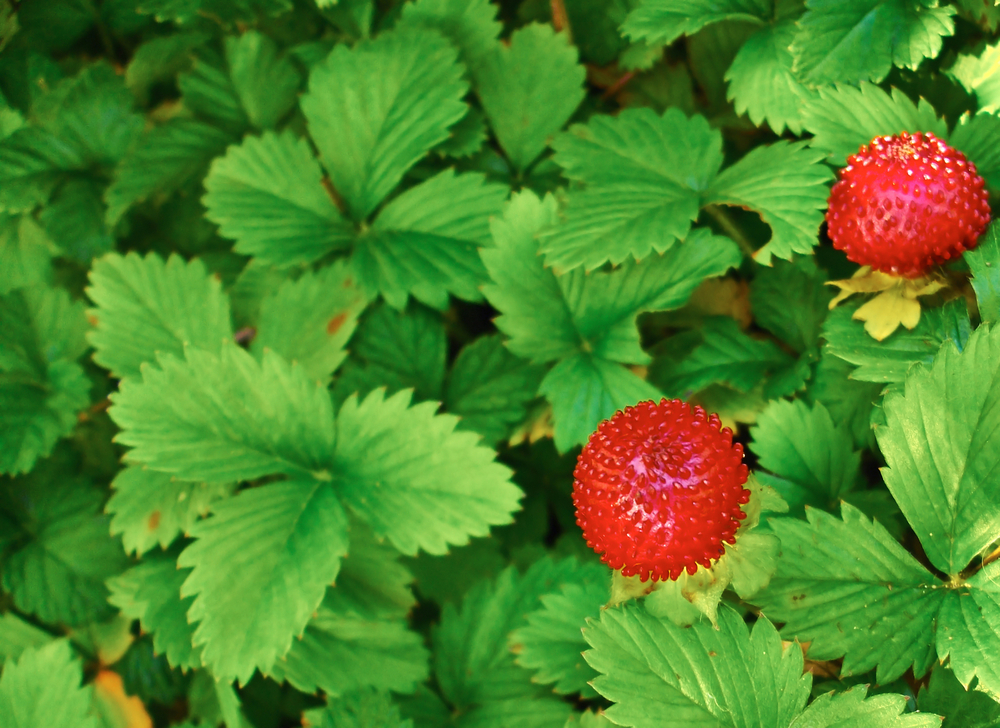
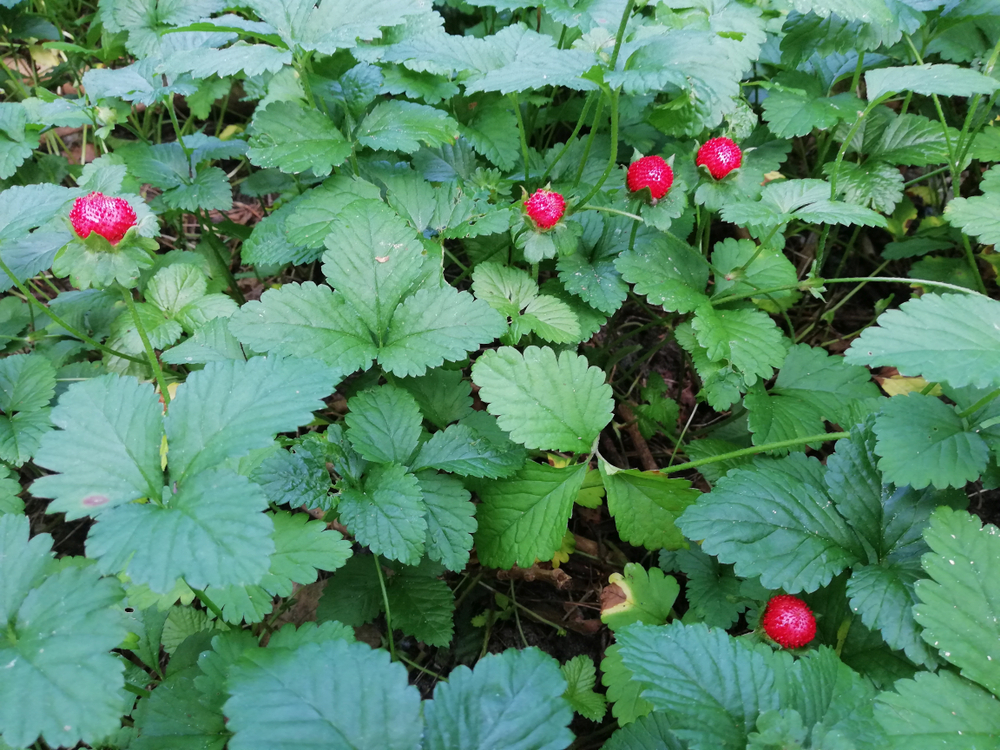
Wild strawberries might be tiny, but man, do they pack a punch! Compared to the standard garden varieties you find at the supermarket, wild strawberries have a much more intense, “original” flavor that isn’t watered down. If you want to grow these little flavor bombs yourself, you can either start them from seed or grab some young plants from your local nursery.
How to Grow Wild Strawberries from Seed
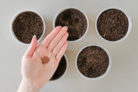
If you’re feeling adventurous and want to start your wild strawberries from scratch, you can use seeds saved from last year’s harvest or just buy a packet. Either way, you’ll want to start them indoors where it’s warm. Grab some standard seed-starting trays, high-quality potting soil, and a little bit of peat sand to mix in. Pro tip: soak your seeds in water for a few hours before planting. This softens them up and makes germination a whole lot easier.
When you’re ready to plant, sow the seeds thinly and cover them with just a dusting of soil—don’t bury them too deep! Reach for a spray bottle instead of a watering can; set it to the finest mist setting so you don’t wash the seeds away. You’ve got to keep that soil consistently moist for the first few days. To create a mini-greenhouse effect, pop a pane of glass or some plastic wrap over the tray to trap the humidity.
The Perfect Conditions for Germination
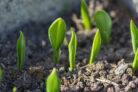
Find a bright spot for your trays, but keep them out of direct, scorching sunlight. Aim for a temperature between 65°F and 68°F (18-20°C). If it gets too hot, your seedlings will get “leggy”—meaning they’ll grow tall, thin, and weak. If you keep them watered, you should see those first little leaves popping up in about three weeks. Just make sure to lift the cover every now and then to let some fresh air circulate.
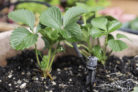
Once your little sprouts are tall enough to touch the cover, it’s time to take it off for good so they have room to breathe. This is also the perfect time to “prick them out” (thin them out and transplant). If you’re moving them into medium-sized pots, aim for about three or four little plants per container.