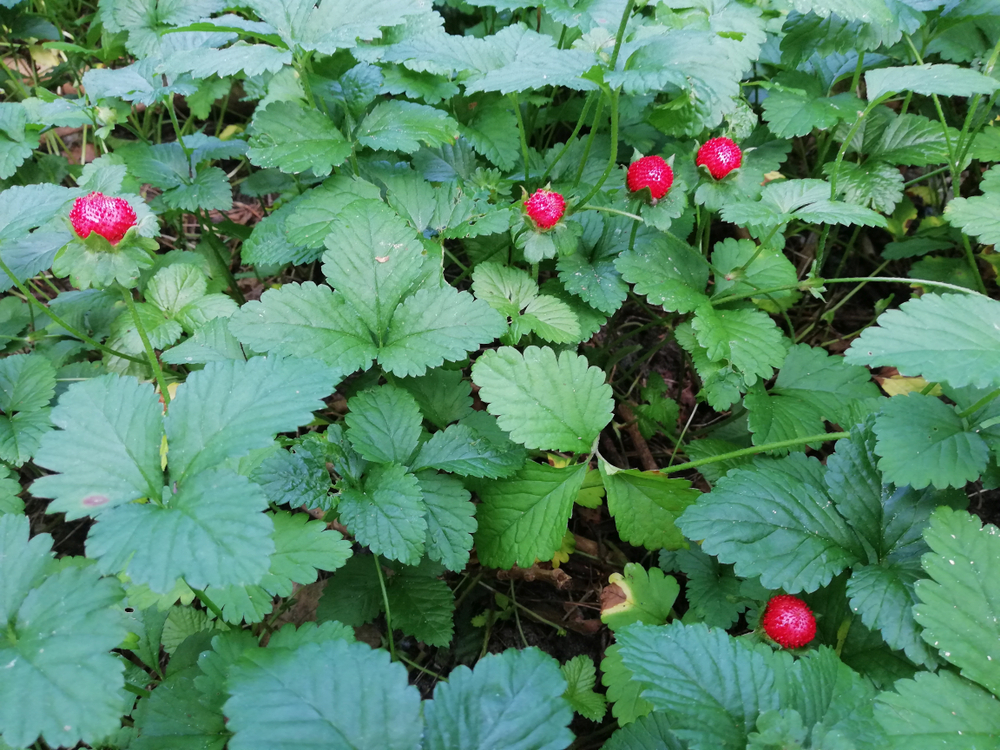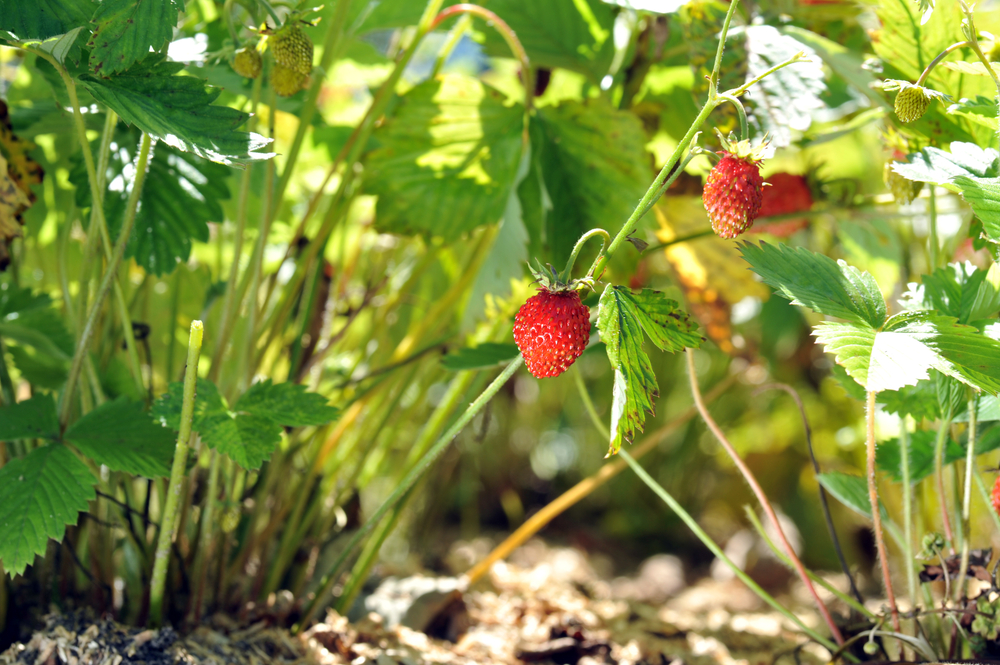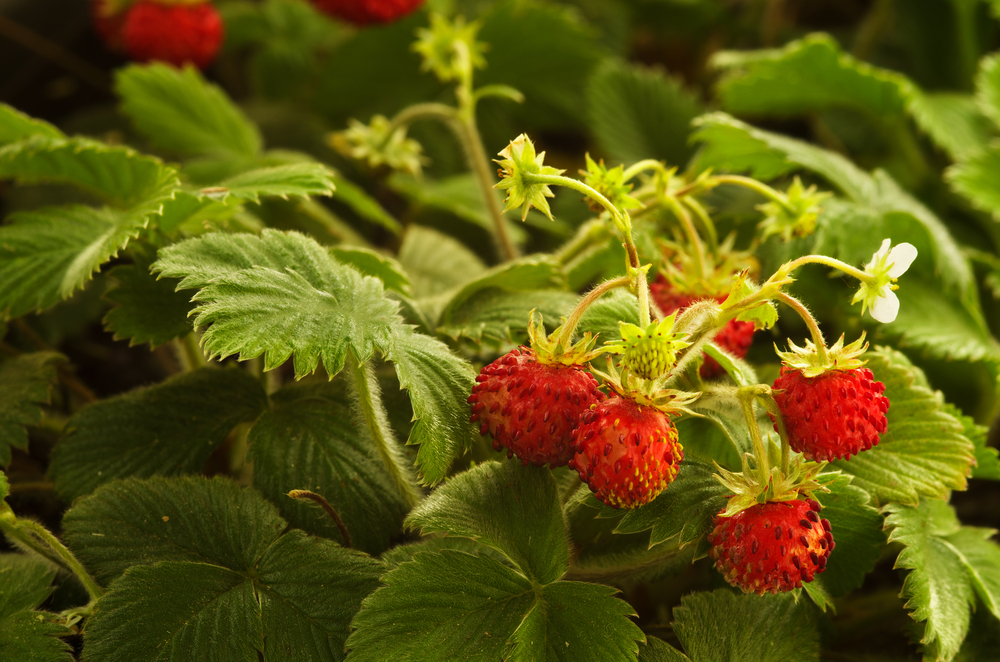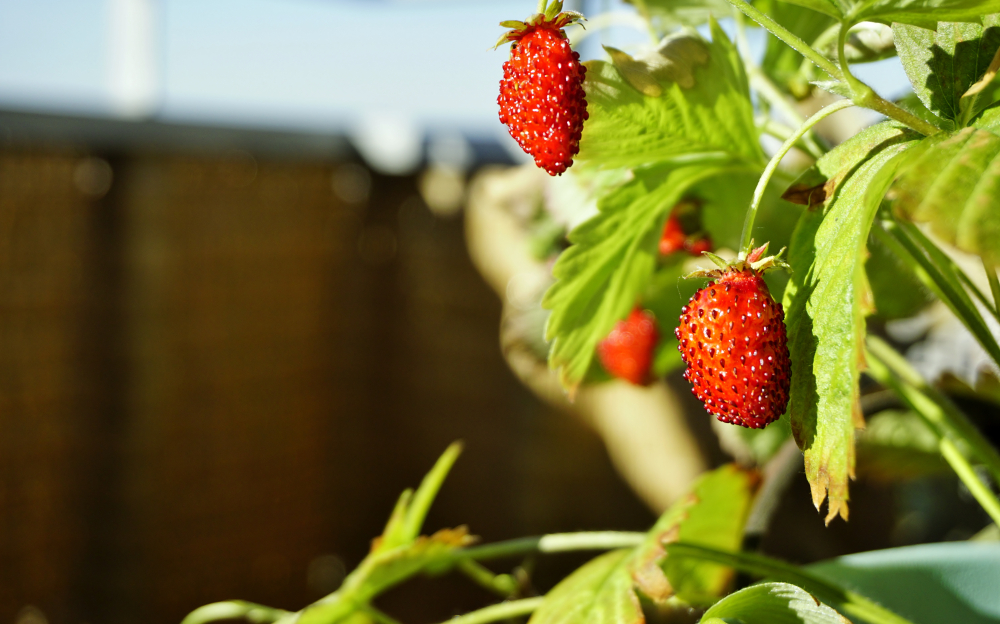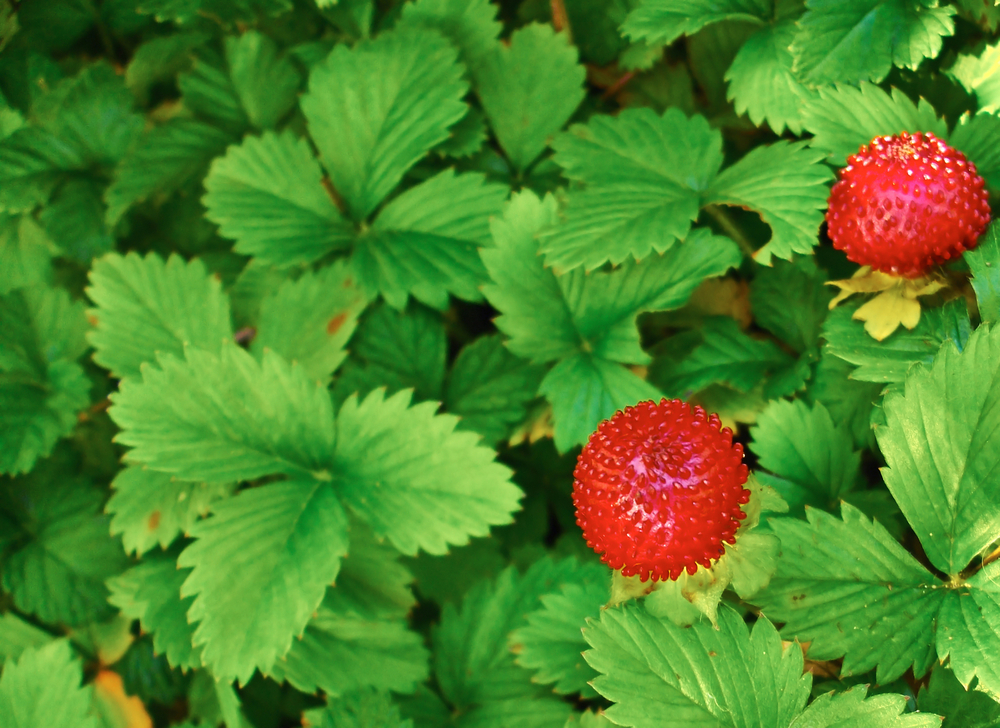
Since wild strawberries are more “original” and hardier than the typical hybrid garden varieties, they’re generally known for being low-maintenance. However, if you want to keep these little gems happy and productive for years to come, there are a few key tips you should keep in mind.
How to Water Your Wild Strawberries Properly
In the wild, wild strawberries thrive in soil that stays slightly moist underneath but dry on the surface. For your garden, this means watering regularly but in moderate amounts. Be careful not to overdo it—these plants really don’t like “wet feet” (standing water).
To keep that soil moisture locked in while keeping the surface dry, I highly recommend adding a layer of mulch. This keeps the berries off the damp ground, so they stay clean and rot-free. Straw, pine needles, or bark mulch all work great for this.
Pro tip: The best time to water is early in the morning. Aim for the base of the plant rather than the leaves. Avoid watering in the scorching midday sun, as water droplets can act like tiny magnifying glasses and burn the delicate leaves and flowers.
Fertilizing for a Bumper Crop
Wild strawberries love humus-rich soil—basically, the closer you can mimic the forest floor, the better they’ll grow. Mature compost is your best friend here. I suggest a “starter” feeding of compost and horn meal (or a similar organic nitrogen source) before you even plant. Let the soil settle for a few weeks, and then tuck your strawberries in.
You can give them a little boost with a second feeding just before the first blooms appear—a standard organic berry fertilizer from your local garden center works perfectly. Depending on how rich your soil is, you might even do a third round of fertilizer after the final harvest of the season.
Pruning Your Wild Strawberries
Once the harvest season wraps up, it’s time to think about pruning. Gardeners love to debate whether this is strictly necessary (after all, nobody prunes them in the woods!), but most experts agree it helps the plant stay healthy.
When you prune, cut the foliage back but be extremely careful not to damage the “crown” (the heart of the plant). Make sure to clear away any unripened or rotten fruit and old leaves sitting on the soil. This old debris is a magnet for fungi and pests, and we definitely don’t want those hanging around our berry patch.
Winter Protection: Keeping the Chill Away
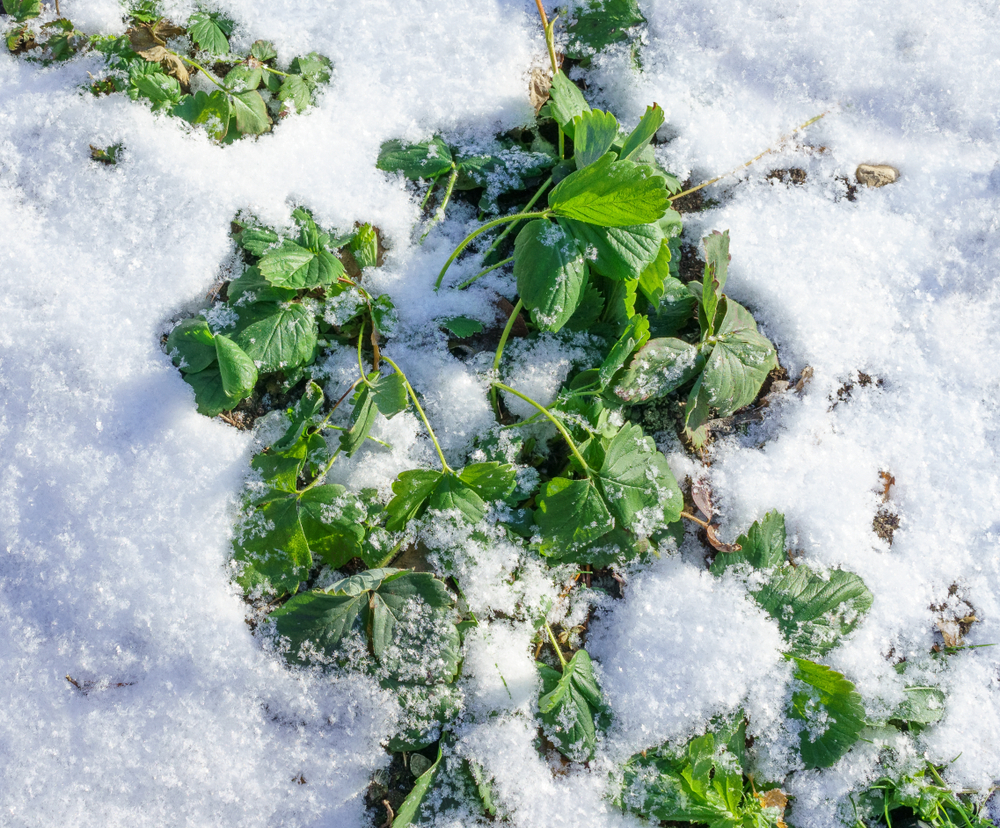
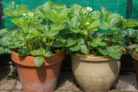
Generally speaking, wild strawberries in garden beds are tough cookies and handle winter just fine on their own. However, if you’re growing them in pots or hanging baskets, they need a little extra TLC. Because the root balls aren’t insulated by the ground, they can freeze solid.
To protect your potted berries, place the containers on an insulating base like wood or Styrofoam. Wrap the pots in a few layers of garden fleece or bubble wrap, and move them against a house wall for a bit of radiant heat. Finally, top off the soil with some straw or bark mulch to keep the roots cozy from above.