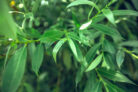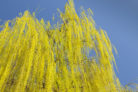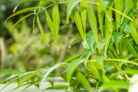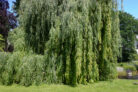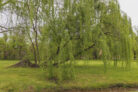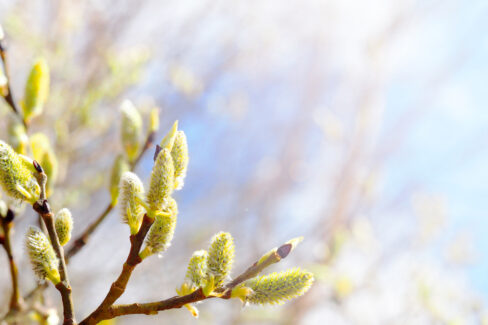
Willows aren’t just about those iconic, flowing leaves—they also put on a fantastic floral show! If you’re curious about what makes willow blossoms so special and when you can expect to see them popping up in your yard, you’re in the right place. With just a little bit of care, these trees will reward you with a stunning spring display.
Why Everyone Loves Willow Blossoms
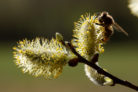
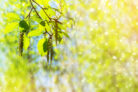
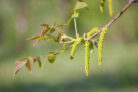
When it comes to spring favorites, it’s hard to beat the willow. While the willow leaves are lovely, it’s the “pussies” (or catkins) that really steal the spotlight. These fuzzy little buds look amazing on the branch and even better in a vase. Their velvety, shimmering texture is a classic sign of spring, which is why so many gardeners love bringing a few cuttings indoors for Easter decorations. One of the best things about willows is that they are early bloomers, giving your garden a head start on the season. Plus, if you plant a willow in your garden, you’re doing the local ecosystem a huge favor—these blossoms are a vital early-season food source for hungry pollinators.
Here’s a quick look at what makes these blooms unique:
- Shape: Soft, cylindrical catkins
- Texture: Fuzzy or hairy
- Color: Silvery-gray (initially)
- Variety: Distinct male and female flowers
- Benefit: Provides essential food for beneficial insects
When Do Willows Bloom?
The exact timing depends on which variety you have, but generally speaking, willows are early birds. Some species start showing off as early as March. For most willows, the peak blooming window falls between April and May. This is the perfect time to snip a few branches to add some rustic charm to your floral bouquets.
It’s also pretty cool to note that willows are “dioecious,” meaning a single tree will host either male or female flowers, but usually not both. You can tell them apart pretty easily: the male catkins turn a bright, pollen-dusted yellow, while the female ones stay a more subtle gray. These blossoms are a magnet for bees and other insects, which help spread the pollen and allow the tree to reproduce naturally. If you want to support your local honeybees, a willow is one of the best trees you can grow!