Ever bought a gorgeous, bushy basil plant at the store only to have it wilt and look sad just a few days later? Or maybe your homegrown herbs are starting to look a little worse for wear? Don’t worry—it happens to the best of us! Here’s the lowdown on why basil wilts and how you can keep yours lush and green.
Why Store-Bought Potted Basil Wilts
We’ve all been there: you bring home a supermarket basil plant, and it immediately flops. There are a few reasons for this “grocery store heartbreak.” These plants are raised in high-tech greenhouses with perfect warmth and bright light. Then, things get stressful. They’re packed into plastic sleeves to protect them during shipping, which is a good idea in theory, but it squishes the stems and traps too much moisture, which can lead to rot. Add a few days in a dark store aisle, and by the time you get it home, the plant is basically in shock.
What Can You Do?
- Give the plant a good look-over at the store. If you can, gently slide it out of the plastic sleeve for a second to check its health.
- If you see yellow leaves or any signs of mold, leave it on the shelf.
- Once you’ve picked a winner, protect it on the ride home. Basil hates drafts! If it’s chilly outside, make sure it’s wrapped up so the cold air doesn’t shock it.
- When you get home, don’t just rip the plastic off. Instead, slide it down a little bit each day. This lets the plant acclimate to the lower humidity in your house. After a few days, you can take it off completely.
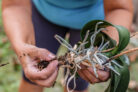
- Supermarket basil is usually way too crowded. Try dividing the root ball and repotting the sections into separate containers to give them room to breathe.
- Place your plant in a warm, sunny spot and only water it when it actually needs it.
Wilting Due to Care Mistakes
Basil is a total sun-worshipper. It’s happiest when temperatures are around 70°F (20°C). If the temp drops below 60°F, your basil will likely start pouting and wilting. When it comes to water, basil likes consistency. Too much water can cause root rot, but letting it get bone-dry will also make those leaves sag. Always check the soil moisture with your finger before watering .
Keep an eye out for uninvited guests, too. Pests love to suck the sap out of tender basil leaves, which leads to wilting. Similarly, diseases , mold, or overcrowding can take a toll. If the air can’t circulate between the stems, fungus and rot can set in pretty quickly.
Pro Tip: The best way to prevent wilting is to pick the right sunny spot, give your plants plenty of elbow room in the pot, and keep a close eye on their “mood” so you can adjust your care as needed.