Basics first: Basil is a total sun-seeker. Originally from the warm, humid climate of India, this herb thrives when things stay nice and toasty. If you want to keep your basil happy and flavorful, here is everything you need to know about getting the temperature just right.
The Sweet Spot for Growth
Basil is happiest when temperatures sit between 70°F and 75°F (20-25°C). It loves a bright, sunny spot, but be careful—direct, scorching midday sun can be a bit much for it. If things get way too hot, the plant starts growing like crazy, but not in a good way. It gets “leggy,” meaning it stretches out too fast, which ruins the quality of your harvest. The leaves lose that punchy flavor, and the plant might start flowering sooner than you’d like.
On the flip side, if the temperature drops below 50°F (10°C), growth pretty much grinds to a halt. Ideally, you want your nighttime temps to stay above 60°F (15°C). And remember: basil is a tropical soul—anything below freezing will kill the plant instantly.
Perfect Temps for Starting Seeds
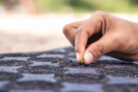
If you’re starting from scratch, basil seeds need a consistent temperature of about 68°F to 72°F (20-22°C) to germinate. Keep your seed trays indoors where it’s warm. To create the perfect humid environment, you can stretch some clear plastic wrap over the pot after your first watering—it’s like building a tiny DIY greenhouse! Just a heads-up: basil is a light-germinator . That means the seeds need light to wake up, so don’t bury them deep in the dirt; just press them gently onto the surface.
Keeping Basil Alive in the Winter
In India, basil grows year-round as an evergreen perennial. Here in the States, we usually buy it as a potted plant throughout the year. If you’re buying a fresh pot during the winter, you’ve got to be careful with the transition. Most stores sell them wrapped in plastic sleeves—don’t rip that off immediately! It’s there to protect the herb from chilly drafts during the ride home.
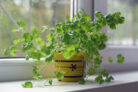
Once you get it inside, help your basil adjust to its new home slowly. I recommend sliding the plastic sleeve down just a little bit each day. To keep it thriving through the winter, find the brightest, warmest window in your house. Water only when the soil feels dry and give it a little fertilizer every 4 to 6 weeks. If your basil isn’t feeling the love, it’ll let you know by attracting pests like aphids or spider mites. Dropping leaves, mold, or root rot are also common winter woes if the conditions aren’t right.
Pro Tip: If you have basil planted outside or in a greenhouse and a sudden cold snap hits, cover your plants with garden fabric or even bubble wrap. It’s a simple way to trap a little extra heat and save your harvest!