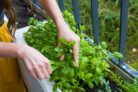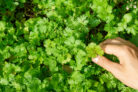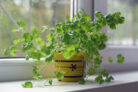
There’s honestly nothing that beats the taste of fresh basil picked straight from your own garden or a sunny windowsill pot. While this heat-loving herb might seem a little finicky, growing it is actually pretty straightforward once you know what it likes. Plus, if you want to keep the cycle going, harvesting your own seeds is a fun and easy way to prep for next season!
The Best Spot for Your Basil
In the wild, basil calls the tropics and subtropics home, which means it’s used to consistent warmth and humidity. Around here, it’s happiest when temperatures hover around 70°F (20°C). Just a heads-up: while it loves the sun, that scorching midday heat can be a bit much, so a little afternoon shade doesn’t hurt. Basil is super versatile and grows great in pots, raised beds, or greenhouses. However, if your goal is to collect those tiny seeds , I definitely recommend moving your plants outdoors . Being outside makes it much easier for bees and other pollinators to do their thing and fertilize the flowers.
Basil Care 101
Unlike many Mediterranean herbs that thrive on neglect and poor soil, basil is a “heavy feeder.” It wants plenty of nutrients to produce those lush, aromatic leaves. You can prep your soil with a slow-release fertilizer, or just give it a boost with a good organic liquid fertilizer every three to four weeks. When it comes to watering , let the soil be your guide. Check to see if the top inch of soil is dry before giving it a drink. Basil hates “wet feet,” so make sure your pots have drainage and never let the plant sit in a saucer full of standing water—that’s a fast track to root rot.
How to Get Seeds
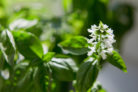
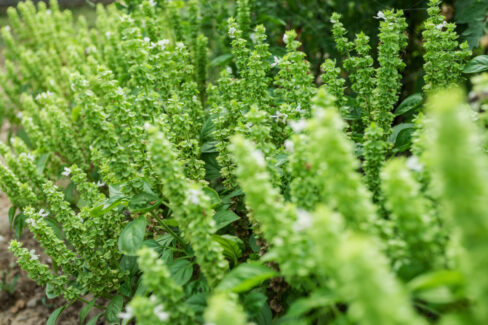
If you’re constantly harvesting your basil for pesto and salads, the plant will usually hold off on blooming . So, if you want to save seeds, pick a few “designated” plants and let them grow wild without pruning them. Once those pretty little flower spikes appear, you’ll notice they are absolute magnets for bees. If the local pollinators do their job, you’ll have a bounty of seeds in no time.
The Harvest
- Once the flower spikes have completely dried out and turned brown, snip them off with a pair of scissors.
- Lay out a white sheet of paper or a clean kitchen towel and spread the dried flowers across it.
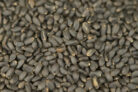
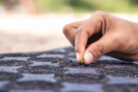
- Gently rub the seed pods between your fingers. You’ll see the tiny (about 1-2 mm), black seeds pop right out of their husks.
- Let everything air dry for another day or so just to be safe. Then, use a fine sieve to separate the seeds from the bits of dried leaves. A gentle puff of breath (winnowing) also works great to blow away the light chaff.
- Always store your seeds in a cool, dark, and dry place. Moisture is the enemy here—if they aren’t bone-dry, they’ll mold and won’t sprout next year.
- Small glass jars or metal tins are perfect for storage. Just don’t forget to label them with the variety and the date!
Pro Tip: When buying your initial plants or seeds, look for “heirloom” or “open-pollinated” varieties. This ensures that the seeds you harvest will actually grow into the same type of basil next year!