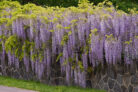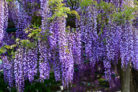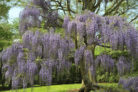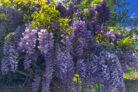
Once Wisteria is fully established, it can transform your garden into a stunning sea of blue blooms. If you’ve got a little patience, you can actually grow this beauty yourself from scratch! Here are my favorite tips for getting your own Wisteria started.
Ways to Grow Your Own Wisteria:
- The classic seed method
- Growing from cuttings
- Propagation by layering
Growing from seed can be a bit tricky
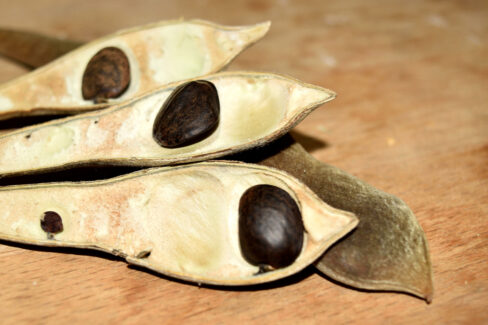
You can definitely try growing Wisteria from seeds you’ve collected, but I have to be honest: it’s a bit of a gamble. Often, plants grown from seed don’t end up blooming well—or at all. It would be a real bummer to put in all that work and not get those iconic purple-blue flowers! Still, if you’re up for the challenge, make sure you wait for the seeds to fully ripen. You’ll know they’re ready when the seed pods (which form after the blooming period) start to pop open on their own.
Step-by-Step Seed Starting:
- Buy seeds or harvest ripe ones from a pod.
- Soak the seeds in water for 24 hours.
- Fill a starter pot with a mix of humus and sand.
- Plant the seeds and keep them watered regularly.
- Expect sprouts to appear in about two months.
- Once they’re big enough, transplant the little guys into a humus-sand soil mix.
Better ways to ensure beautiful blooms
If you want a much better shot at a plant that actually flowers, I highly recommend using cuttings or—my personal favorite—layering. If you go the cutting route, you’ll usually see flowers in about two years. Just snip off some young shoots in July. Pro tip: take a few more than you think you need, since not every cutting will successfully take root.
Layering is another great trick. Simply take a low-hanging branch and bend it down to the ground. Make a tiny little notch on the underside of the branch where it touches the dirt. Use a small wooden stake or a “hook” made from a forked branch to pin it firmly to the soil, then heap a little dirt over that spot. Over time, the branch will grow its own roots underground. Once it’s established, you can snip it away from the mother plant, and voilà—you’ve got a brand new Wisteria!