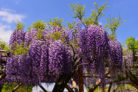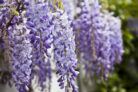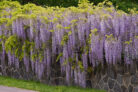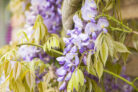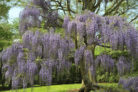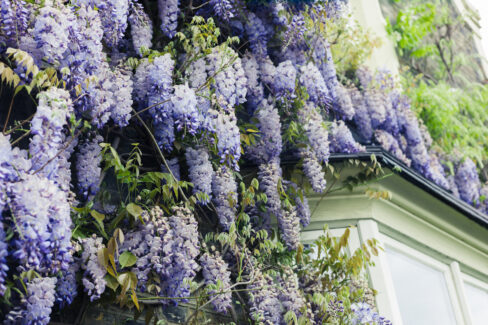
Wisteria is known for being a pretty tough customer. Once it’s established, it’s hardy enough to handle the winter and generally stays pretty healthy without much fuss. That said, even the sturdiest vines can run into a few hiccups. Here’s a look at what might be bothering your wisteria and how to fix it.
Common Health Issues to Watch For
If you notice the leaves on your wisteria turning a sickly yellow, you might be dealing with chlorosis. This usually happens when there’s too much lime in your soil, which prevents the plant from soaking up the nutrients it needs. To fix this, you’ll need to amend the soil or dig up your wisteria and transplant it to a spot with better pH levels. Usually, once the soil is right, the plant bounces back in no time.
Keep your wisteria happy with these tips:
- Pick a bright, sunny spot.
- Use loose, moist soil (but avoid soggy feet!).
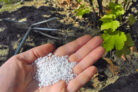
- Stick to low-nitrogen fertilizers.
- Give it a proper pruning every spring.
Watering is another balancing act. While wisteria loves a good drink, overwatering is a recipe for disaster. If the soil stays waterlogged, you’re looking at potential root rot. If this happens, you’ll need to dig the plant up, trim away the damaged roots, and move it to a new location or add a drainage layer to the soil to keep things moving.
Dealing with Pests
Wisteria isn’t usually a magnet for bugs, but every now and then, spider mites or aphids might decide to move in. Most of the time, you can just knock them off with a damp sponge or a firm spray from the garden hose. While you can find chemical treatments at the store, I’d recommend starting with the gentle stuff first—you don’t want to spray harsh toxins in your garden unless it’s absolutely necessary.
Underground, voles can be a real headache. These little critters love to munch on wisteria roots, which cuts off the plant’s nutrient supply and makes the whole vine look wilted and sick. Sometimes the best solution is a natural one—if you have a neighborhood cat on patrol, those voles will likely find somewhere else to hang out!