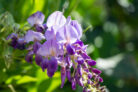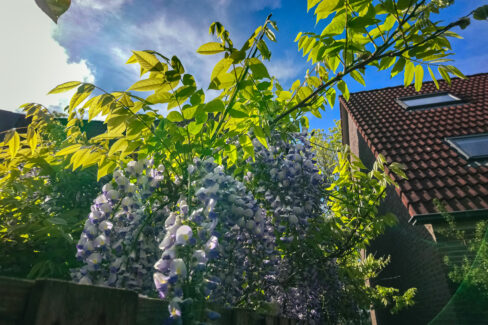
With its stunning foliage and that iconic waterfall of blue blooms, Wisteria is a total showstopper that every gardener dreams of mastering. But what happens when those lush green leaves start turning yellow out of nowhere—and it’s nowhere near fall? Don’t panic! If your Wisteria is looking a little pale, here’s a breakdown of what might be going on and how you can fix it.
Location and Nutrient Issues
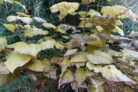
First things first: if you see light green or yellowish leaves on brand-new growth, take a deep breath. New shoots are often a bit lighter than the rest of the plant, and they’ll darken up as they mature. However, if the older leaves are turning yellow and looking sickly, it’s time to do some detective work. Usually, this is a sign that your plant is hungry for specific nutrients.
It’s possible your Wisteria is struggling with its environment. If your soil has too much lime (high pH), it can actually block the plant from soaking up what it needs, leading to yellowing. Also, take a look at the neighbors—if nearby plants have grown significantly, they might be “stealing” all the good stuff from the soil. Remember, Wisteria puts a ton of energy into those spectacular flowers, so it needs plenty of fuel. During the growing season, you’ll want to give it a boost with the right fertilizer.
Here are some great options for feeding your Wisteria:
- Well-aged compost
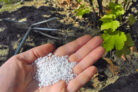
- Low-nitrogen, slow-release fertilizer
- Low-nitrogen liquid fertilizer
Water Woes: Too Dry or Too Wet?
Wisteria can be a bit like Goldilocks when it comes to water—it needs things to be just right. Both drought and “wet feet” (standing water) can cause the leaves to yellow. Standing water is especially dangerous because the roots can’t breathe and will eventually start to rot. If you suspect the soil is waterlogged, you might need to roll up your sleeves and dig the plant up to check the roots. If you find any mushy, rotten sections, trim them off.
Next, address the drainage. If water is pooling and has nowhere to go, you’ve got to fix the foundation. You can either transplant your Wisteria to a spot with better drainage or stay put and install a drainage layer (like gravel or sand) to help that excess water move away from the roots.