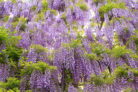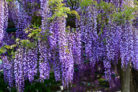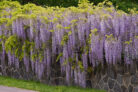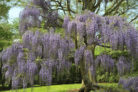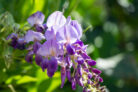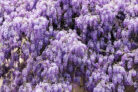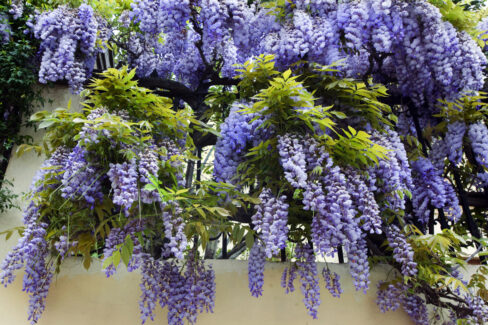
Wisteria is absolutely stunning when it’s in full bloom, but let’s be real—it can also be a total nightmare. Between its toxic parts and its aggressive, “take over the world” growth habit, many gardeners eventually decide it’s time for it to go. If you’re ready to reclaim your yard from this beautiful beast, here’s how to get the job done right.
The Dark Side of Wisteria
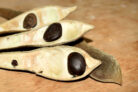
While those purple cascades look like something out of a fairytale, there are a few reasons why wisteria might not be the best fit for your backyard. First off, the seeds and flowers are toxic if eaten. If you have little ones or pets running around unsupervised, having wisteria in the garden is a risk you might not want to take.
Then there are the roots. Wisteria grows incredibly strong, fleshy root systems that don’t just sit still. They can heave up your patio pavers, crush underground pipes, or even damage your home’s foundation. If you didn’t install a root barrier when you first planted it, a mature wisteria can quickly turn into a structural headache.
How to Get Rid of Wisteria for Good
If you want to kill off wisteria, you have to get to the root of the problem—literally. You can’t just trim it back; you have to dig it out. For a mature vine, you’re going to need a sharp saw or a sharpened spade to cut through those tough roots. Before you start, make sure you’re wearing protective gear. Remember, the plant is toxic, so you don’t want to take any chances.
Here’s your toolkit:
- Heavy-duty gardening gloves
- A sharp saw or spade
- A shovel to clear out the dirt
You might see tips online about using “chemical warfare” to kill wisteria. While it’s tempting, keep in mind that those harsh chemicals don’t just stay in the vine—they end up in your soil and can harm the rest of your garden. Digging it out is definitely the better, eco-friendly way to go. If you’re worried that some root fragments might have stayed behind, try covering the area with a light-blocking tarp or landscape fabric. Depriving any leftover bits of sunlight is a great way to make sure the plant doesn’t make a comeback.