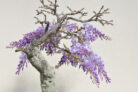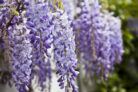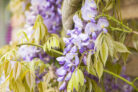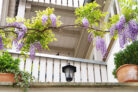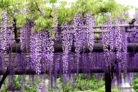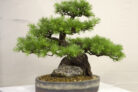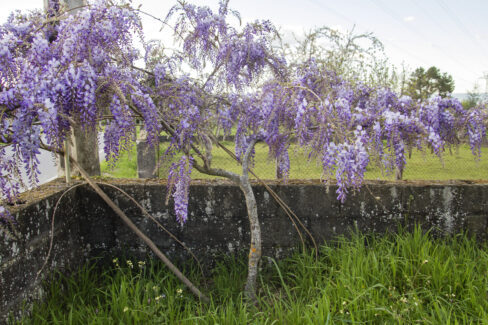
Wisteria is famous for its breathtaking cascades of flowers, but let’s be real—this plant is a vigorous grower that can easily take over your yard if you let it. The good news? With a little strategic pruning, you can train this powerhouse into a stunning, compact “standard” (that’s gardener-speak for a small tree shape). With the right care, your wisteria will quickly become the crown jewel of your garden.
Why You Should Consider Training Your Wisteria as a Tree
Before you get started, there are a couple of things to keep in mind. First, safety first: wisteria flowers and leaves are toxic if eaten, so keep an eye on pets and kiddos. Second, wisteria has an incredibly aggressive growth habit. Without a sturdy support or trellis, it’ll scramble over everything. Left to its own devices, it usually turns into a massive, tangled bush. If you want to keep it under control and looking tidy, training it into a tree shape is the way to go.
By using the right pruning techniques, you get all the beauty of those purple blooms without the plant swallowing your house. A wisteria tree is perfect for smaller spaces, patios, or even a large balcony. The key is a consistent “training cut” to establish the trunk and then staying on top of maintenance. Just make sure you pick a sunny spot for your tree—these beauties need plenty of light to produce those iconic flowers.
How to Prune Your Wisteria into a Tree Shape
Turning a wisteria into a tree takes a few years of patience and a few specific cuts. In the first year, pick out the strongest, healthiest shoot on the plant—this is going to be your main trunk. Trim it back by about a third. Snip off all the other competing shoots entirely, and tie your chosen main stem to a sturdy stake or post. This will help it grow straight and tall throughout the season. You’ll want to do your main pruning every spring.
When to head out with your shears:
- In early spring, once the threat of frost has passed.
- On a dry day that isn’t too sunny (to prevent stress on the plant).
- Before the plant starts pushing out new leaves.
In the second year, decide how tall you want your tree to be. Once the main stem reaches that height, snip the top off. This encourages the plant to branch out and form a “head” or canopy. Prune the top shoots into a rounded shape and strip away any side branches growing lower down on the trunk. By the third year, you’ll just be refining that canopy shape. Regular maintenance is the secret to keeping that tree look. Also, pro tip: use a low-nitrogen fertilizer. If you give it too much nitrogen, you’ll get tons of leaves but zero flowers!