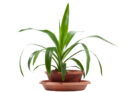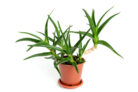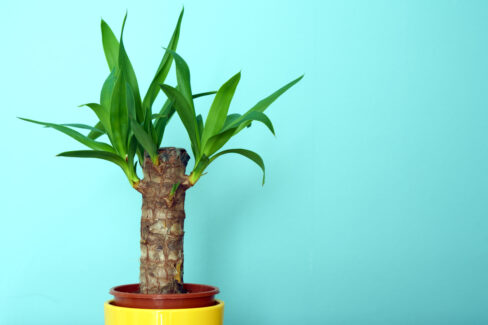
If you notice the leaf tips of your Yucca (often called a Spanish Bayonet or Spineless Yucca) turning black, it’s more than just an eyesore—it’s a cry for help. Your plant is telling you it’s unhappy, and it’s time to play detective to get it back on track.
The Root Causes
There are a few reasons why a Yucca might develop those dark brown or black tips, but they usually boil down to two main categories:
- The wrong location
- Improper care
Location, Location, Location
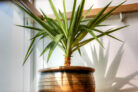
Yuccas are sun-lovers. If they’re tucked away in a dark corner, they’ll suffer from a lack of light, which often shows up as blackened tips. If you notice this happening specifically in the winter, your Yucca might be sitting too close to a heater or radiator. These plants absolutely hate dry, hot air and trapped heat that can’t circulate.
What to do:
- Move your Yucca to a brighter spot where it can soak up some rays.
- Find a new home for your plant that’s further away from heating vents. Ideally, Yuccas love to spend the winter in a bright room kept between 40°F and 50°F (5–10°C). Fun fact: a cooler winter rest actually encourages them to bloom!
Care and Maintenance
If you’re sure your plant is getting enough light, it’s time to look at your routine. Ask yourself if you might be giving your Yucca:
- Too much water (leading to soggy soil)
- Too little water (resulting in a bone-dry root ball)
- Too much fertilizer (which leads to nutrient burn)
If none of those seem like the culprit, check the pot. If it’s been more than two years since you last repotted, your Yucca might simply be root-bound and cramped.
What to do:
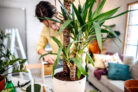
If the pot is too small, the fix is easy: just move it into a larger container with fresh soil. However, if the issue is a care mistake, the rescue mission takes a bit more effort.
Since overwatering and over-fertilizing can lead to root rot, you’ll need to check the damage. Carefully take the plant out of the pot; if some roots are still healthy, trim away the rotten ones and repot the Yucca into a clean pot with fresh, well-draining substrate.
If the problem is underwatering, start watering moderately but consistently. It’s tempting to drown the plant to “make up” for the dry spell, but that can actually do more harm than good—slow and steady wins the race here!