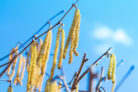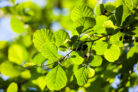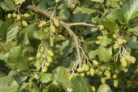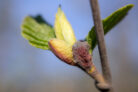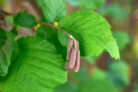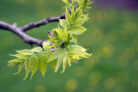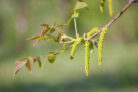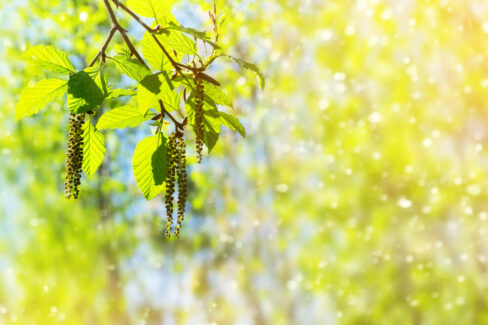
If you’ve ever taken a walk in the woods in late winter, you’ve probably noticed those fuzzy little tassels hanging from the trees. In the gardening world, we call the flowers of the Alder tree “catkins.” Interestingly, both the male and female flowers go by this name, and the Alder tree is lucky enough to have both! Let’s dive into some cool facts about these unique blooms.
The Lowdown on Alder Catkins
When we talk about Alder flowers, we almost always call them catkins. It’s a bit of a catch-all term because it doesn’t distinguish between the sexes—both the male and female reproductive parts are housed in these dangling structures.
Male and Female Flowers: Living Together, Separately
The Alder is what botanists call “monoecious.” In plain English, that means a single tree carries both male and female flowers. However, they don’t share the same space; each individual catkin is strictly single-sex. You’ll find them hanging separately on the same branch.
Spotting the Difference
At first glance, the male and female flowers might look similar because they both share a yellowish tint, but that’s pretty much where the similarities end. The male catkins are the real showstoppers—they’re much larger, longer, and more noticeable. They pack in way more tiny individual flowers compared to their smaller, more modest female counterparts.
When Do They Bloom?
The Alder is a real early bird. Its blooming season kicks off well before the leaves even think about popping out. You’ll see the first flower buds appearing while other trees are still dormant. Depending on the variety, the timing shifts a bit:
- The Black Alder and Grey Alder usually bloom between January and April.
- The Green Alder is a late bloomer, waiting until May or June to show off.
Gone with the Wind
Alder trees don’t really rely on bees or butterflies to get the job done. Instead, they use wind pollination. While an occasional insect might help out, the tree is perfectly designed for the breeze to carry pollen from the male catkins over to the female ones.
Cones on a Deciduous Tree?
Here’s a fun trivia fact for your next nature hike: the Alder is the only deciduous (broadleaf) tree in Germany that produces cones! After the flowering season ends, the female catkins become woody and turn into small cones. Inside these cones, the Alder’s fruit—which are actually tiny nuts—begins to grow.
A Heads-Up for Allergy Sufferers
As beautiful as they are, Alder trees aren’t exactly best friends with allergy sufferers. Their pollen is a major trigger for hay fever and other allergic reactions. If you’re prone to seasonal allergies, you might want to keep your distance during peak pollen season to avoid the sniffles!