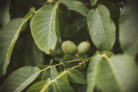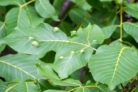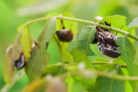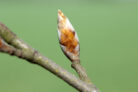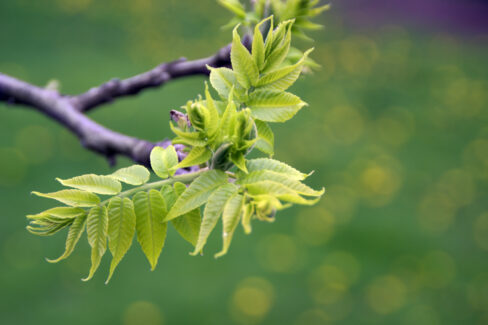
If you’re dreaming of a big harvest of homegrown walnuts, you’ve got to keep a close eye on your tree’s flower buds. These little powerhouses are the starting point for everything; they turn into blossoms, and after a little help from pollination, they become the walnuts we all love. Simply put: no buds, no nuts!
Bud Formation Starts in the Fall
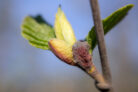
Believe it or not, your walnut tree starts prepping for next year right after the current harvest. New flower buds actually begin forming in the fall. They’ll hang out on the branches all winter, just waiting for spring to arrive so they can transform into flowers and, eventually, fruit.
Watch Out for Frost Damage
Because those buds are sitting out there all winter long, they’re pretty vulnerable to frost damage. A particularly nasty cold snap can freeze the buds right off the branch. If that happens, you’re looking at fewer blossoms in the spring and a much smaller harvest (or none at all) come fall.
From Buds to Blossoms
By the time spring rolls around, those buds complete their transformation into walnut flowers. Walnut trees are “monoecious,” which is just a fancy gardening term meaning a single tree is self-contained—it hosts:
- Both male flowers
- And female flowers
The Journey of the Male Flower
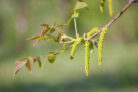
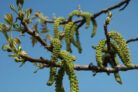
Male buds develop into what we call “catkins.” These look like long, thick, cylindrical tassels, usually reaching about two to five inches in length. They are pollen machines! A single male flower cluster can hold up to four million individual pollen grains.
The Journey of the Female Flower
Female buds, on the other hand, produce the female flowers. You’ll find these at the very tips of the new green shoots, usually arranged in small spikes. Interestingly, the female flowers typically bloom about three to four weeks after the male catkins have already started their show.
Young Trees and One-Sided Blooming
If you have a young walnut tree, don’t panic if things look a little lopsided. It’s actually very common for youngsters to produce only male or only female buds at first. If your tree only has one type of flower and there isn’t another walnut tree nearby to help out, you probably won’t see any nuts that year. Don’t worry, though—this is totally natural. As the tree matures over the next few seasons, it’ll balance itself out and start producing a healthy mix of both male and female blossoms.