The alder is one of our most iconic native deciduous trees and a proud member of the birch family. Whether you’re a nature lover or just curious about the greenery in your neighborhood, I’ve put together a quick “cheat sheet” filled with cool facts about this summer-green beauty, from its unique cones to its favorite soggy habitats.
The Alder: A Quick Snapshot
Here’s everything you need to know about the alder tree at a glance.
- The alder is a deciduous tree belonging to the birch family (Betulaceae).
- These trees generally live between 80 and 120 years, reaching heights of about 65 to 80 feet.
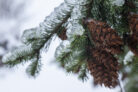
- Fun fact: The alder is the only deciduous tree that produces cones!
- Heads up for allergy sufferers: Alder pollen is a common trigger for seasonal allergies and can cause some pretty strong reactions.
- On the bright side, butterflies and beneficial insects love them! The alder provides fantastic shelter and habitat for local wildlife.
- In the wild, you’ll find alders growing at elevations up to about 4,000 feet.
- Out of roughly 35 species worldwide, three are native to Central Europe: the Grey Alder, the Green Alder, and the Black Alder (which is the most common).
- While they are spread across the Northern Hemisphere, one of the densest alder populations can be found in the Spreewald region near Berlin.
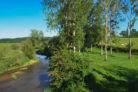
- Alders are “water babies”—they prefer damp, soggy soil and thrive in wetlands and marshes.
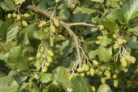
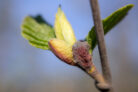
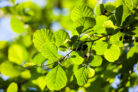
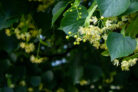
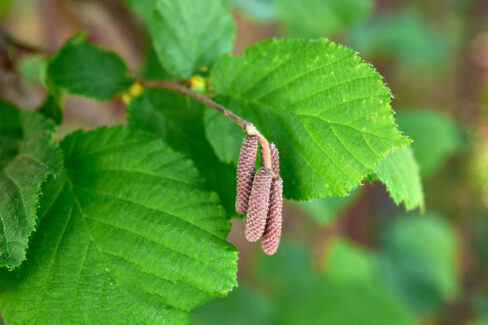
- Alder leaves are a vibrant lush green, oval-shaped, and usually grow between 2 and 4 inches long.
- You can spot them by their distinct “saw-toothed” edges and relatively short stems.
- If you flip a leaf over, you’ll find tiny yellow hairs on the underside that feel a bit sticky to the touch.
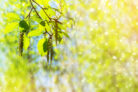
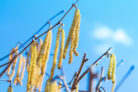
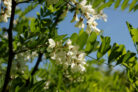
- The alder is monoecious, meaning it has both male and female flowers on the same tree. Both are known as “catkins.”
- Size is the main giveaway here: the male catkins are much larger and more noticeable than the tiny female ones.
- Both types of flowers sport a yellowish hue.
- They typically bloom in March and April.
- Since they don’t rely on bees, the wind does all the heavy lifting for pollination.
- Once pollinated, the flowers develop into small, brown nutlets about 3/4 of an inch long.
- These reach maturity around September or October.
- The woody cones actually stay on the tree all through the winter, which makes them easy to identify in the snow!
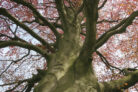
- The bark is dark brown to almost black and has a very scaly texture.
- Alder wood is quite soft but impressively water-resistant.
- Because it handles moisture so well, it’s often used for plywood. You’ll also find it in toys, broom handles, musical instruments, and even traditional wooden clogs.
- It’s pretty rare to see alder used for heavy furniture, though.
- The most common health threat to these trees is root rot, which is caused by fungal pathogens.
- Sadly, as wetlands and marshes are drained or disappear, the alder is losing its natural home. This has led to a noticeable decline in alder populations in many areas.