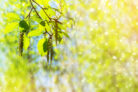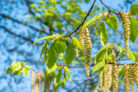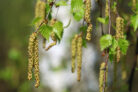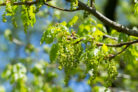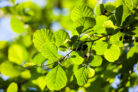
Compared to most other deciduous trees, the alder gets a real head start on the year. But just like their leaf shapes, the blooming schedule of these trees varies quite a bit from one species to the next. Even the three most common types of alders have their own unique timing for when they show off their flowers.
A Closer Look at Alder Flowers
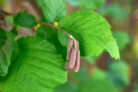
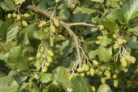
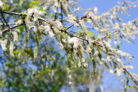
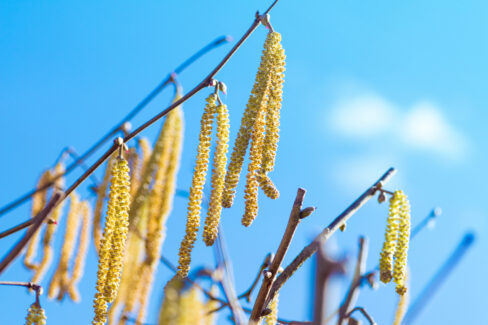
The flowers of the alder grow in those distinctive, drooping clusters we call “catkins.” During the blooming season, these catkins rely on the wind—and occasionally a few helpful insects—for pollination. Once the female flowers are pollinated, they develop into woody, brown cones that usually hang onto the tree all through the winter. These cones eventually release the alder’s fruit, which are actually tiny little nuts.
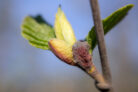
But before the flowers even make their debut, you’ll spot the buds. These show up even before the leaves do, serving as the first sign that the blooming season is just around the corner.
When Do Alders Bloom?
Generally speaking, the alder is an early bird. Most species open up their long, fuzzy catkins in the very first months of the year. However, depending on which specific variety you have in your yard or local park, that timing can shift slightly—or even significantly.
Blooming Times for Common Species
The three main types of alder—the Black Alder, the Grey Alder, and the Green Alder—don’t just look different when it comes to their leaves; they also follow their own schedules. If you’re trying to identify a tree, the blooming period is a huge clue. Don’t just look at the foliage; check the calendar!
- Both the Black Alder and the Grey Alder are early risers, blooming anywhere from January to April.
- The Green Alder, on the other hand, waits for the warmer weather of late spring or early summer, typically blooming in May and June.
Bloom Season Means Pollen Season
If you suffer from hay fever, you’ll definitely want to keep an eye on these blooming windows. Alder pollen is a notorious trigger for many allergy sufferers. Because the pollen is so lightweight, the wind can carry it over long distances very easily. For those with sensitivities, the alder’s blooming season can be a particularly “sneezey” time of year!