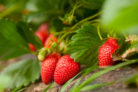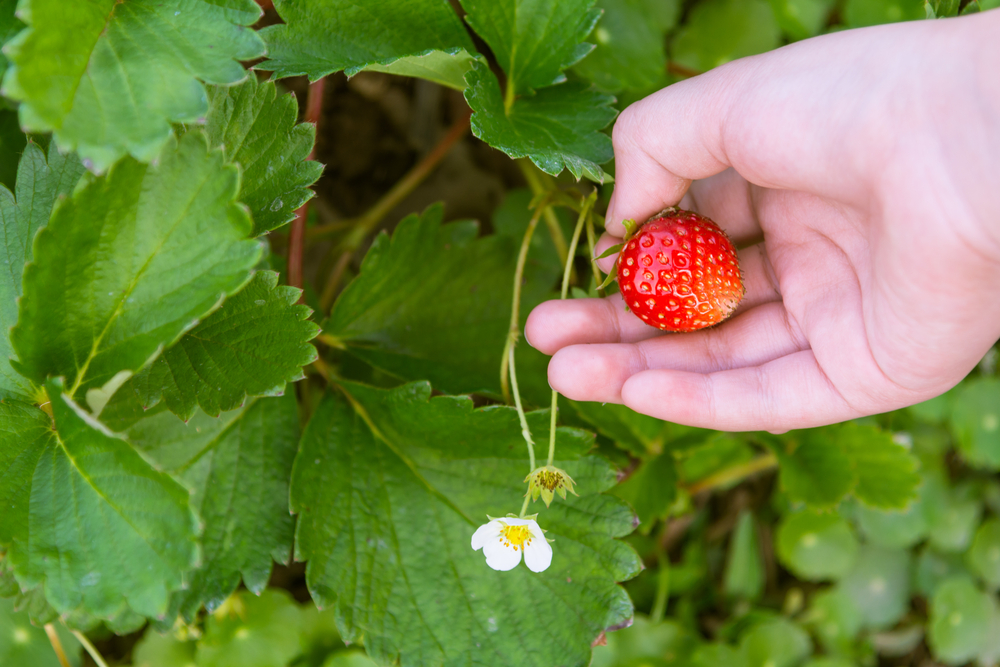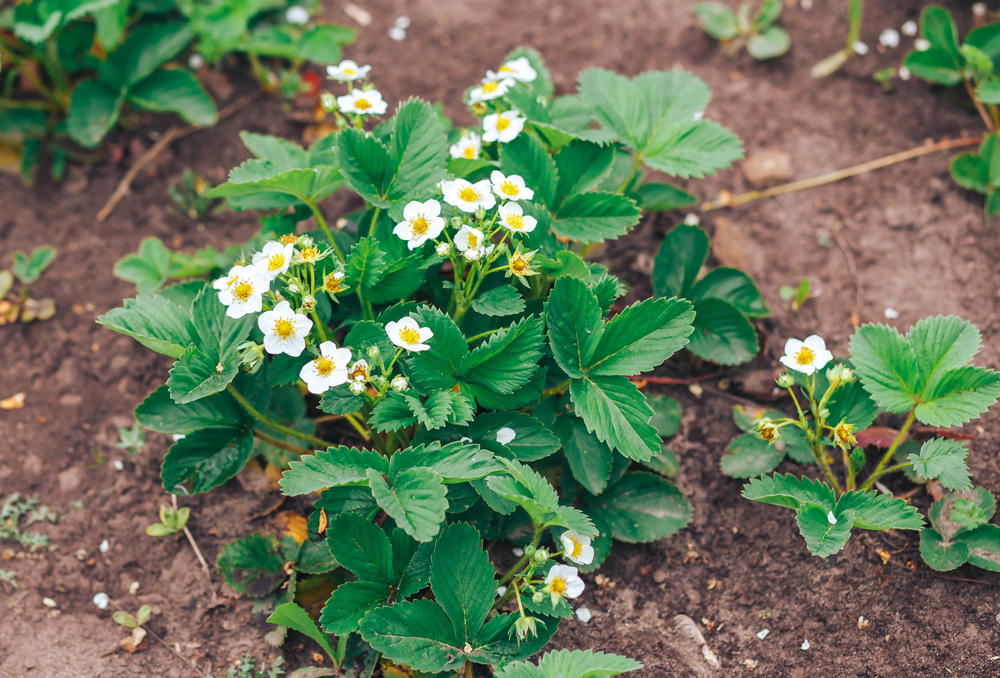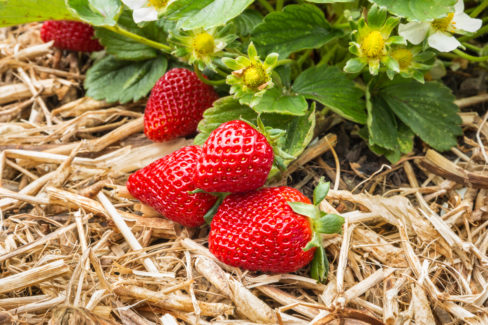
If you’re the kind of person who thinks the strawberry season is way too short, you’re going to love everbearing varieties. Instead of one quick harvest, these little powerhouses bloom and fruit from early summer (June) all the way through early fall (October). Let’s dive into the best varieties and everything you need to know to keep them happy in your garden.
Ever-Bearing Varieties Galore
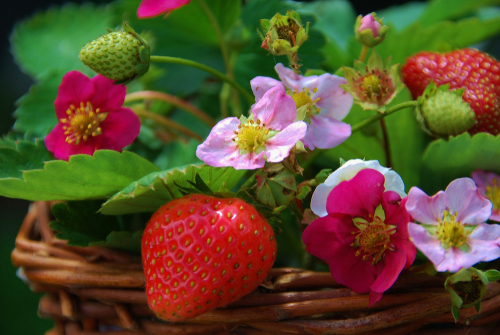
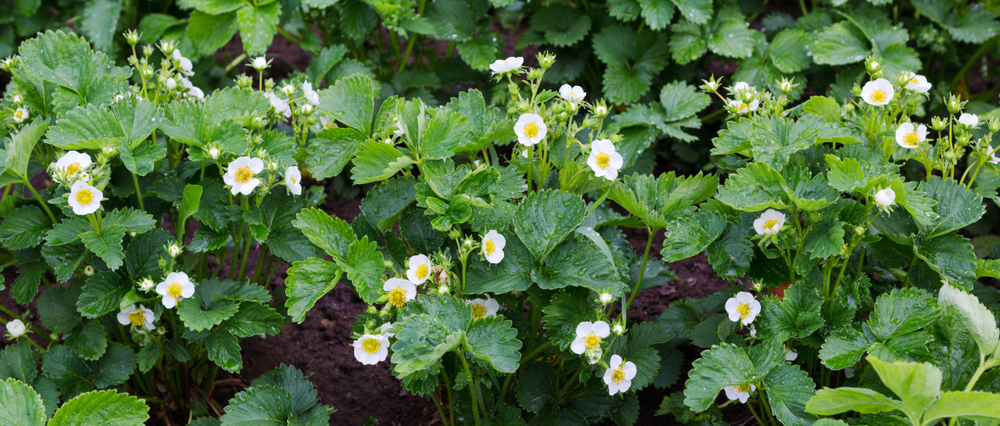
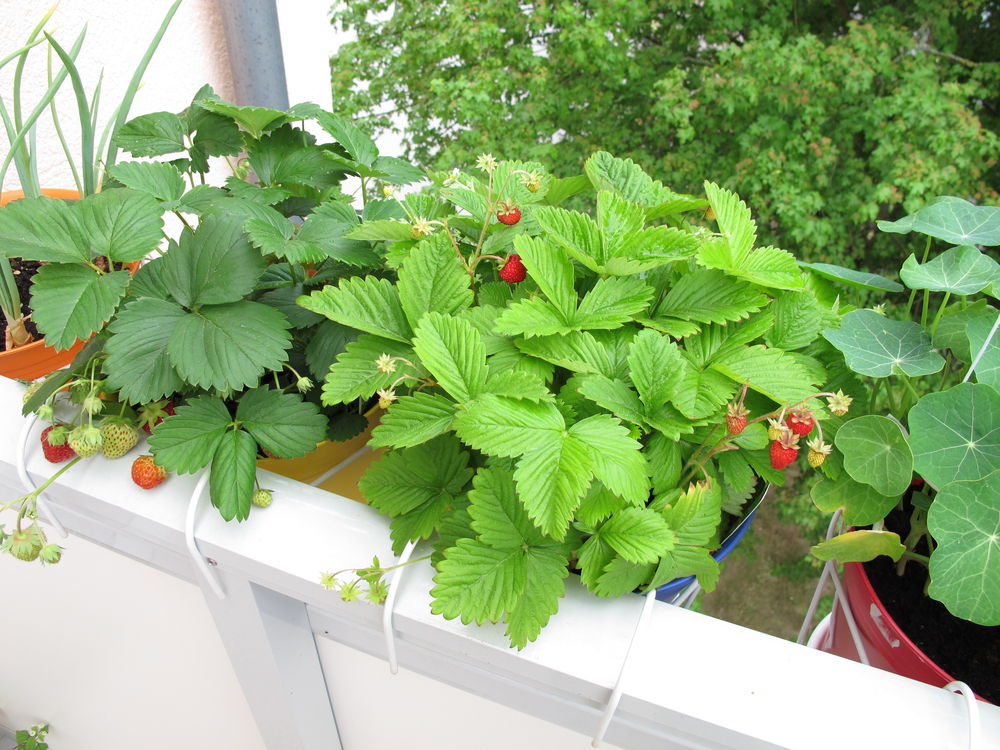
When you start looking for everbearing strawberries, you’ll find plenty of options. You’ll often see them labeled as “everbearing,” “day-neutral,” or sometimes “alpine” or “woodland” strawberries. You can grab them as young starter plants at the nursery or start them from seed if you’re feeling ambitious. Depending on the variety, these strawberries can be grown as hanging plants, climbing vines, or even as a lush groundcover. They look absolutely stunning when they’re in full bloom, creating a literal carpet of flowers in your garden beds or hanging baskets.
Here are a few fantastic varieties to consider if you want to snack on homegrown berries all summer long:
- ‘Amandine’: Produces elongated fruits that are incredibly aromatic.
- ‘Ostara’: An early-season favorite that packs a serious flavor punch.
- ‘Waldkönigin’: Features very decorative blossoms and deep red, beautiful fruit.
- ‘Frapendula’: A trailing variety that’s perfect for hanging planters.
How to Care for Your Everbearing Strawberries
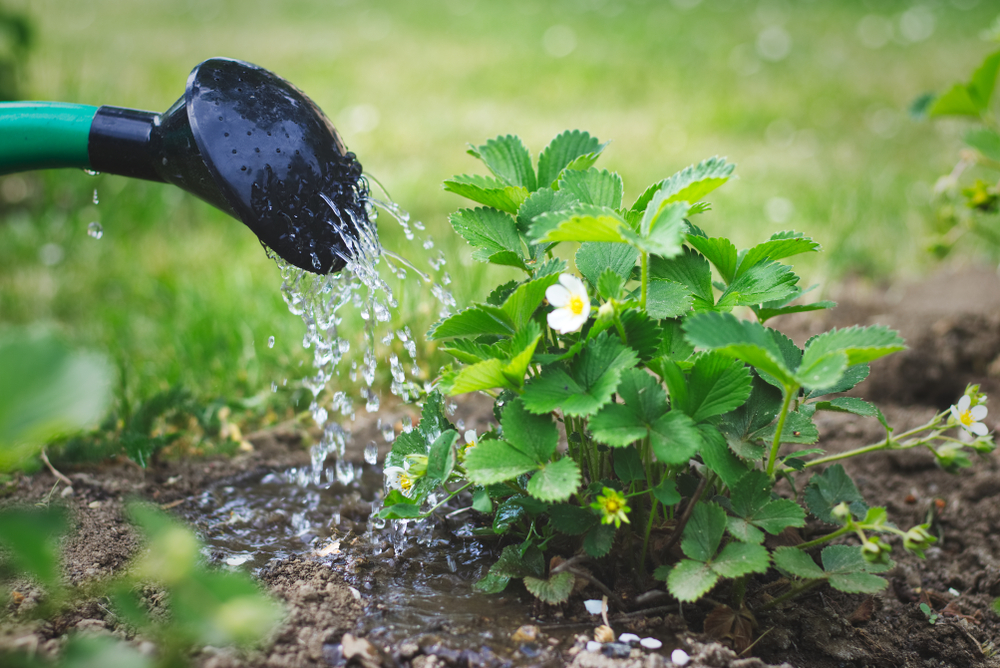
Just like your standard garden strawberries, the secret to success with everbearing types is getting the nutrients and water just right. You’ll want to water regularly, but don’t overdo it. It’s actually perfectly fine if the top layer of soil feels dry—in fact, that’s usually a good thing! However, the soil deeper down should stay consistently moist. A quick trick: poke your finger or a wooden skewer into the dirt. If it’s dry more than an inch or two down, it’s time to grab the watering can.
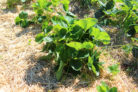
Since everbearing strawberries are perennials (meaning they’ll come back year after year), you’ll want to fertilize them after each harvest cycle. I recommend using compost mixed with horn meal or a specialized organic berry fertilizer. It’s also a great idea to mulch your plants. This keeps the berries from sitting directly on the damp soil, which helps prevent rot and keeps your fruit clean. If you’re growing your strawberries in pots or window boxes, make sure to add a drainage layer of gravel or broken terracotta pieces at the bottom. These plants hate “wet feet,” and good drainage is the best way to prevent root rot.