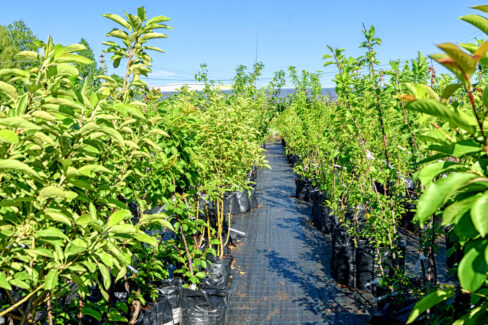
If you’re looking to start a homestead or just want to grow your own food, an apple tree is pretty much a “must-have.” They’re surprisingly affordable to get started, and once they’re in the ground, they don’t really cost much to maintain. Plus, if you give them a little love, the harvests can be absolutely massive!
How much does an apple tree cost?
Generally, you’re looking at anywhere from $15 to $60 for a young tree. Now, if you’re hunting for heirloom varieties or a full-size standard tree, you might see prices climb quite a bit higher. You can often find budget trees for $15 to $25 at big-box stores or supermarkets, but for the best results, I always recommend heading to a local nursery or garden center.
Ordering apple trees online
Buying online directly from a grower is definitely an option these days. It’s super convenient, but it can be a bit of a gamble depending on the shipping carrier. I’ve heard plenty of stories from fellow gardeners about trees arriving with snapped branches or looking pretty stressed out after sitting in a hot delivery truck for too long.
Why the local nursery is worth it
The big risk with those “bargain” supermarket trees is the lack of info. Often, the label won’t tell you which rootstock was used for grafting. This is a big deal because you might think you’re buying a small patio tree, only to have it turn into a semi-dwarf or a massive standard tree that takes over your yard! Sometimes the variety isn’t even labeled correctly, and these cheaper trees often take a lot longer to produce their first harvest.
Investing in a quality tree
I really suggest spending a little extra at a dedicated nursery. Not only are you getting a healthier plant, but you also get to pick the brain of an expert who knows what grows best in your area. You’ll usually pay $25 and up here. If you’re short on space, you might even look into “multi-graft” trees—these have 2 or 3 different apple varieties growing on one single trunk—which usually run around $40.
Look for quality seals
When you’re shopping, keep an eye out for official certification tags. High-quality nursery trees come with labels that specify the exact variety, the rootstock used, and health certifications (like being “virus-tested”). In the US, looking for trees from reputable growers or those with state-certified nursery seals ensures you aren’t bringing pests or diseases into your garden.
Costs for planting and maintenance
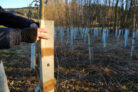
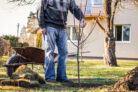
If you aren’t up for digging the hole yourself, many nurseries offer delivery and planting services. Depending on how far you live, this usually starts around $50. This fee typically covers the labor and ensures your new leafy friend gets the best possible start in its new home.