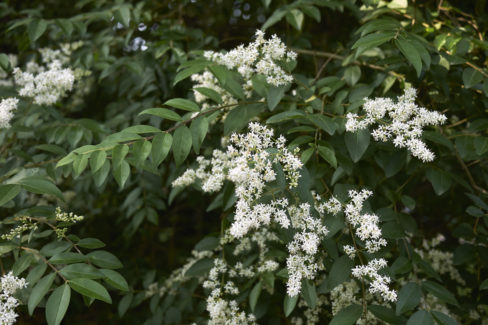
Privet (Liguster) is what we call a shallow-rooted plant. This means that instead of sending a massive taproot deep into the earth, its roots branch out horizontally, staying pretty close to the soil surface. Because of this unique root system, there are a few specific things you’ll want to keep in mind when caring for them.
Privet is a Shallow-Rooted Shrub
When we say privet is a shallow-rooter, we’re talking about a root system that loves to spread wide rather than deep. These roots create a dense, branched network just under the surface. They might cover a lot of ground, but they won’t be heading toward the center of the earth anytime soon!
The Pros and Cons of Shallow Roots
Having a shallow-rooted plant like privet in your yard is a bit of a mixed bag—there are definitely some perks and a few challenges to consider.
- One big plus is that these roots aren’t typically “aggressive” enough to crack foundations or heave up heavy stone pavers. This makes privet a fantastic choice for planting alongside walkways, driveways, or right up against the side of your house.
- On the flip side, the biggest drawback is water management. Since the roots stay near the surface, they can’t reach deep-ground moisture during dry spells. You’ll need to keep a close eye on your watering can during hot summers and even on frost-free days in the winter to keep them hydrated.
Transplanting Shallow-Rooted Shrubs
If you decide your privet needs a change of scenery, you can definitely transplant it. Just a heads-up: it can be a bit of a workout! The key to success is being extra careful not to damage that wide root network. Keeping the root system as intact as possible is the best way to ensure it thrives at its new location.
Removing Privet Roots
Whether you’re moving a shrub or clearing it out of your garden entirely, you’ve got to make sure you get every last bit of the roots. If you leave chunks of the root system behind in the soil, don’t be surprised if you see new shoots popping up later!
Removing Older Privet
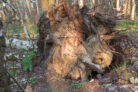
A lot of people think that because the roots are shallow, they’ll be a breeze to pull out. Well, an old privet might just prove you wrong! While you don’t have to dig deep, the root system on an established plant is incredibly dense and tangled. If you’re trying to remove a very old, large privet, it might actually be worth renting a mini-excavator to save your back.
Removing Young Privet
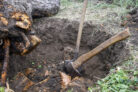
If your privet is still on the younger side, you’re in luck. You can usually get the job done with a standard garden fork. At this stage, the roots haven’t branched out too far yet and are still concentrated pretty close to the base of the plant, making them much easier to lift out.