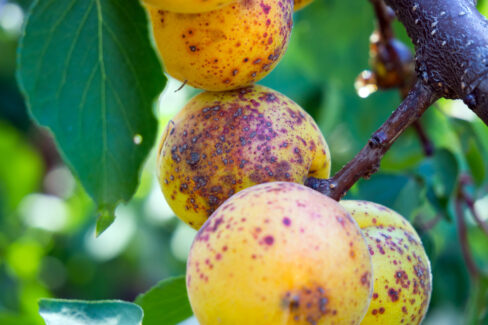
Even if you’ve picked the perfect sunny spot and are giving your apricot tree all the TLC in the world, things can still go sideways. Sometimes, diseases or pesky garden critters move in and start making your tree look a little under the weather. The secret to a healthy harvest is catching these changes early and knowing exactly how to jump into action.
Common Pests and Diseases to Watch For
- Peach Leaf Curl
- Winter Moth
- Shothole Disease
- Bacterial Canker
Peach Leaf Curl
If you notice your young leaves changing color, developing weird blister-like bumps, or if the leaves and fruit are starting to die off, you’re likely dealing with Peach Leaf Curl. This is caused by a super stubborn fungus. Your best bet here is to treat the tree with a copper-based spray.
Timing is everything with this one! You need to apply the treatment before the buds fully open. If you miss that window, you’ll have to prune away all the infected twigs, leaves, and fruit. Make sure to toss those clippings in the trash—don’t compost them, or the fungus might stick around!
Winter Moth
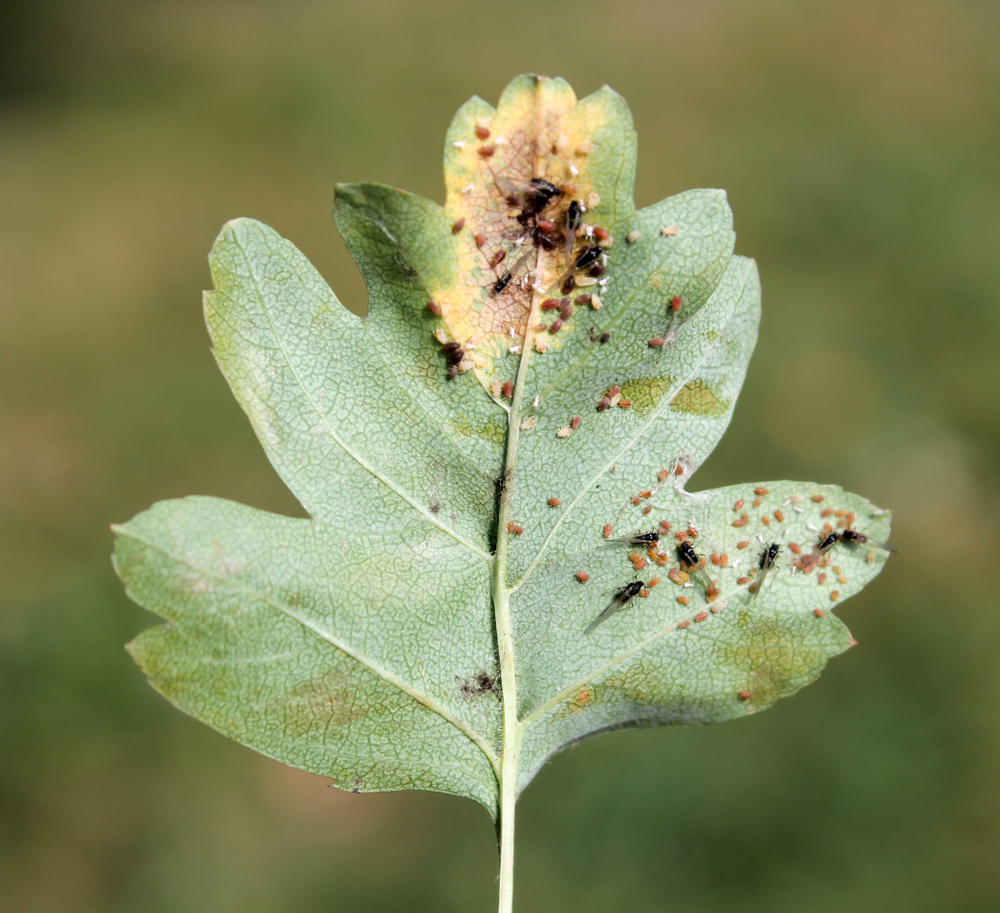
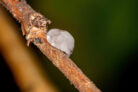
The Winter Moth might sound pretty, but its caterpillars are bad news for your apricot tree. You’ll know they’ve moved in if you see holes chewed through the leaves and fruit, or if the blossoms and leaves seem to be webbed together.
Nature has a great solution for this: Great Tits (and other small songbirds) love snacking on these caterpillars. If you don’t have many birds in your yard, try putting up a birdhouse or a feeder to invite them over. If the birds aren’t doing the trick, you can use *Bacillus thuringiensis* (Bt) treatments on a warm day to get things back under control.
Shothole Disease
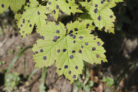
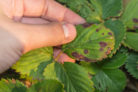
Shothole disease gets its name from its very distinct look: small, round brown spots on the leaves that eventually fall out, leaving the foliage looking like it was hit by a tiny shotgun. If you spot these holes, you can use copper, clay-based sprays, or wettable sulfur. Standard fungicides also work wonders for clearing this up.
Bacterial Canker
Bacterial Canker is a tough one to deal with. You’ll want to keep an eye out for these red flags:
- Small brown spots along the edges of the leaves
- Leaves dying off prematurely
- Black spots on the fruit
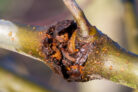
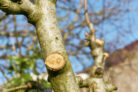
- Excessive “bleeding” or oozing of sap (gummosis)
- Sunken areas or “cankers” in the bark
Since this disease is hard to cure once it takes hold, prevention is your best friend. Try whitewashing the trunk and using copper sprays to give your apricot tree a fighting chance against this infection.