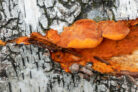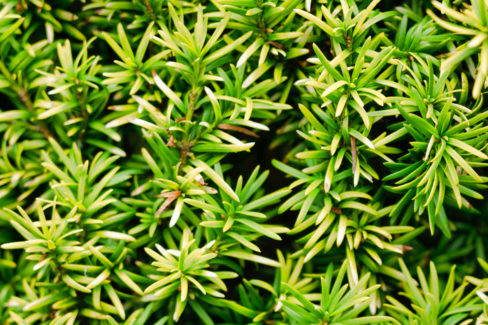
Yews are generally pretty tough customers and don’t get hit by fungal infections very often. If you do spot a fungus moving in, it’s usually a sign that something is off with the tree’s environment or overall care. Here’s the lowdown on how to spot a fungal problem and what to do if your tree is in trouble.
Common Culprits Behind Fungal Growth
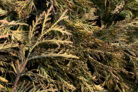
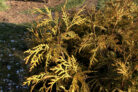
The first place to look for trouble on your Yew is the needles. If they start turning an unusually pale color and then begin to drop off, consider that a major red flag. First, check for pests—you’ll usually see physical signs like bite marks or chewed edges if bugs are the problem. If you don’t see any pests, there’s a good chance a fungus has taken hold.
Here are a few things that up the risk of infection:
- Planting trees too close together (poor airflow)
- “Wet feet” or standing water around the roots
- Consistently damp weather combined with a lack of maintenance
The good news? You can control most of these factors. By giving your Yew plenty of elbow room and choosing a planting spot with great drainage, you’re setting your tree up for long-term success. A healthy, happy Yew is rarely bothered by fungi.
Treating an Infected Yew Can Be Tricky
I’ll be honest: if a fungal infection has already spread across most of the tree, it’s often too late to save it. However, if you still see plenty of healthy green branches, there’s hope! You’ll need to move fast, though. Grab your shears and prune away every single infected branch, cutting back until you reach healthy wood.
Make sure your pruning tools are sharp and—this is important—disinfect them before you start. Once you’re done, put the infected clippings in a sealed bag and toss them in the trash. Whatever you do, don’t put them in your compost pile! If you do, the fungus could hitch a ride and spread to the rest of your garden.
Finally, take a good look at how you can improve the tree’s living conditions. If the soil is staying too soggy, try spreading some bark mulch or adding a drainage layer around the Yew’s roots. The goal is to make sure the soil is well-draining so water never pools around the base.