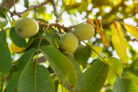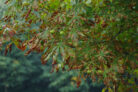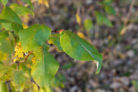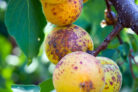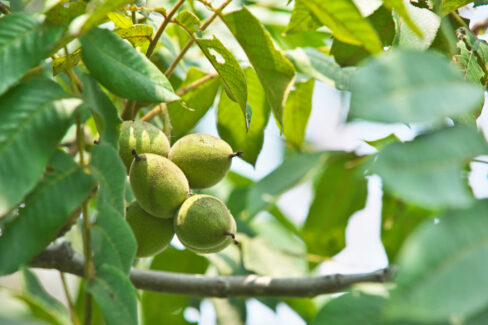
Walnut trees are famous for being tough and resilient additions to any backyard. However, even these sturdy giants have a few enemies in the form of pests and diseases. If your tree is looking a little under the weather, don’t worry—I’ve put together a quick guide to the most common issues you might run into.
Common Walnut Tree Ailments
The “big three” you’re most likely to encounter are:
- Anthracnose (Leaf Spot Disease)
- Bacterial Blight
- The Walnut Husk Fly
Anthracnose (Leaf Spot Disease)
Anthracnose is probably the most common headache for walnut owners. It can be triggered by fungi, bacteria, or viruses.
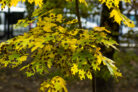
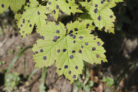
You’ll know you’re dealing with this if you see dark brown or black spots popping up on the walnut leaves. The leaves will start to look shriveled and eventually drop off early. If the fungus gets really aggressive, it can move into the fruit itself. This leads to nuts falling off the tree too soon, black husks, and “dry rot” inside the shell.
The best way to fight back is with a heavy pruning. Be sure to cut away any infected leaves and branches generously to stop the fungus from spreading further.
Bacterial Blight
Bacterial Blight is a specific walnut-only disease. It’s caused by bacteria that travel through wind and rain, hitching a ride into the tree through tiny cracks or wounds in the bark.
Keep an eye out for pale spots on the leaves that eventually turn brown and drop. If the blossoms get hit, they’ll look like they’ve been scorched by fire. You might also notice the bark peeling off in patches during the fall. In severe cases, the bacteria cause woody growths known as bacterial cankers.
Just like with leaf spot, your best bet is to prune away the infected areas. Just a pro-tip: don’t put these clippings in your compost pile, or you’ll just be helping the bacteria spread!
The Walnut Husk Fly
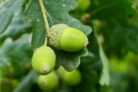
It’s not just germs you have to worry about—bugs want a piece of the action too. The Walnut Husk Fly lays its eggs inside the green husks. Once the larvae hatch, they munch their way through the soft pulp. The good news? They usually leave the actual nut alone, so the kernels are still edible. However, you still want to get a handle on them before they take over.
The best defense is a good cleanup. Pick up fallen walnuts every single day so the flies don’t have a place to breed. You can also lay a fine-mesh net under the tree canopy. This prevents the maggots from burrowing into the soil to pupate, and in a hot summer, it can actually stop the next generation from emerging.
Other Fungal and Bacterial Issues
While the ones above are the usual suspects, walnut trees can also fall victim to:
- Powdery Mildew
- Honey Fungus (Armillaria)
- Chicken of the Woods (Sulphur Polypore)
- Shaggy Bracket
- Scaly Canker
- Giant Polypore
Other Common Pests
Beyond the husk fly, keep an eye out for these creepy crawlies:
- Walnut Blister Mites
- Striped Walnut Aphids
- Cottony Maple Scale
- Goat Moth Larvae
- Leopard Moth Larvae