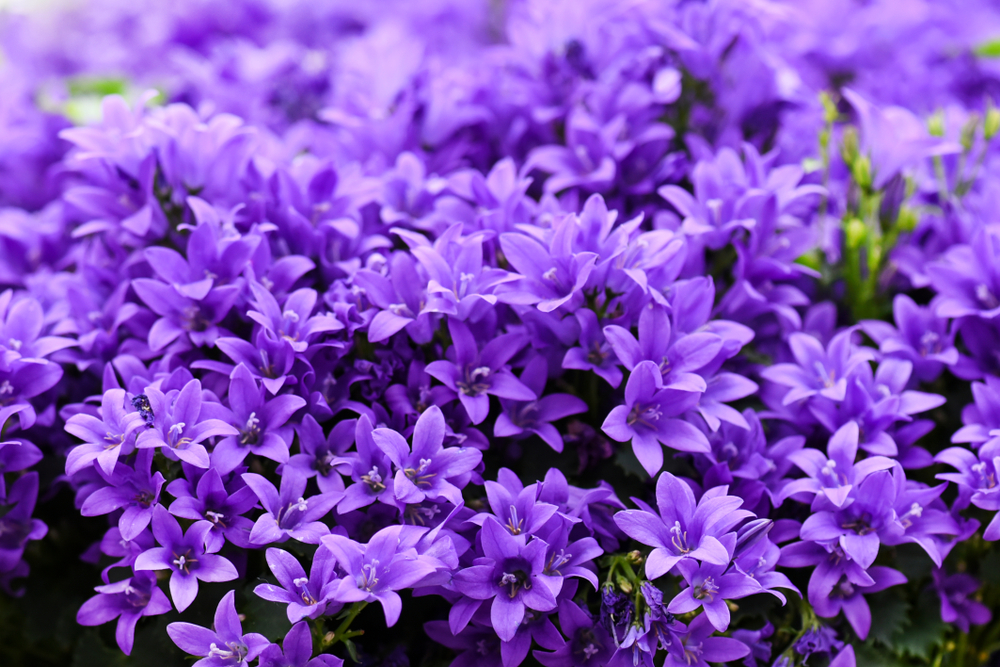
We all know and love bellflowers (Campanula) for those charming, nodding blooms. But one question I get asked a lot—and one that many gardeners overlook—is whether these beauties are actually toxic. To be honest, there isn’t a simple “yes” or “no” answer because even the experts are a bit divided. However, there are a few key facts that can help clear things up.
Toxins in Bellflowers
You won’t usually find bellflowers on official lists of poisonous plants, but that doesn’t automatically mean they’re 100% safe for everyone. There are tons of different species out there, including:
- Spreading Bellflower
- Peach-leaved Bellflower
- Trailing Bellflower
- Fairy Thimbles (Dwarf Bellflower)
- Rampion Bellflower
Depending on the specific variety, the chemical makeup of the plant changes. Some species can cause mild symptoms in humans and pets if eaten in large quantities, while others are completely edible and delicious! If you aren’t a pro at identifying specific varieties, it’s always better to play it safe.
Safety Tips for Handling Bellflowers
While there’s no scientific proof that bellflowers are truly “poisonous,” we do know that reactions vary wildly depending on the species. It also matters which part of the plant you’re dealing with. While the blossoms are often used as a pretty garnish for desserts, you should probably skip the stems. The milky sap inside can cause skin irritation or an upset stomach. Because of this, I’d keep them away from your bunnies and guinea pigs, too. And of course, if a toddler decides to have a snack in the garden, it’s always best to call your pediatrician just to be sure.
Using Bellflowers in the Kitchen (and Beyond)
Believe it or not, some varieties are actually quite tasty! The sweet leaves make a great addition to a fresh summer salad. If you have Spreading Bellflowers, the buds and blooms actually taste a bit like peas—they’re a fun, unique ingredient for a green salad. With the Rampion Bellflower, you can even eat the roots. Just a heads-up: if you have a sensitive stomach, start with small amounts. Interestingly, natural medicine has used parts of the bellflower for years to help with:
- Diuretic needs
- Disinfecting wounds
- Stopping minor bleeding
What to Do if Someone Reacts Poorly
If someone (or a pet) overdoes it on the bellflowers and starts feeling off, here’s the game plan:
- Drink a large glass of water to help flush the system.
- If you notice serious symptoms like trouble breathing or an irregular heartbeat, head to the ER immediately.
- Try to bring a piece of the plant with you so the doctor knows exactly what they’re dealing with.
- If your pet is the one who indulged, make sure they drink plenty of water and give your vet a call.