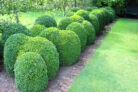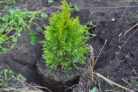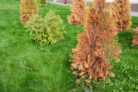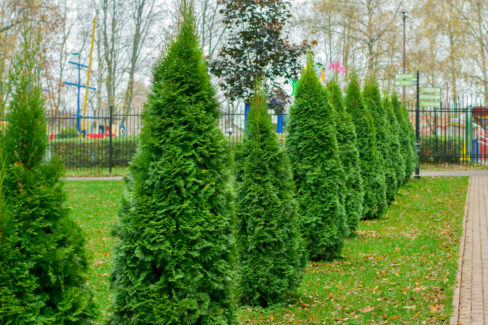
The Thuja Brabant is famous for being a real workhorse in the garden. It’s incredibly hardy and usually stands up well against pests and diseases, which is why so many of us love using it for privacy hedges. Most of the time, if your Thuja starts looking a little under the weather, it’s actually down to a few common care mistakes rather than the plant itself being “weak.”
What Kind of Health Issues Does Thuja Brabant Face?
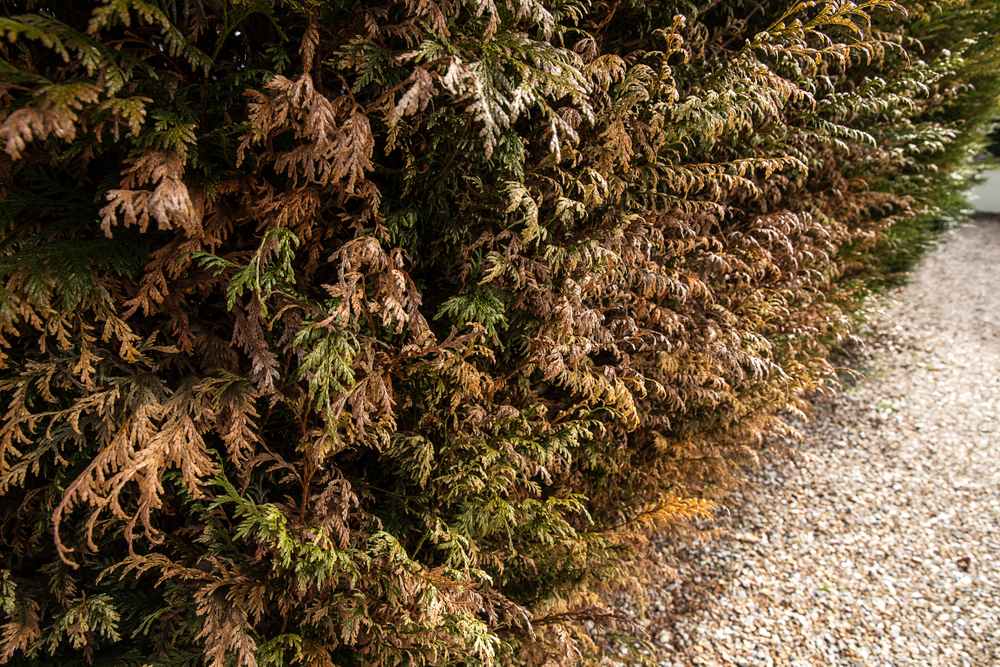
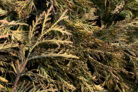
In almost every case, a sick Thuja Brabant is reacting to its environment. One of the biggest culprits is root rot, which happens when the soil gets waterlogged. On the flip side, bone-dry soil isn’t great for them either. Other factors like a poor planting location, over-fertilizing, or a pest infestation can also make your tree look stressed. Even fungal infections usually only show up if the hedge is planted too tightly or if it hasn’t been thinned out. If your Thuja Brabant is unhappy, it’ll let you know by showing:
- Brown needles
- Dead or dying shoots
- Stunted growth
How to Keep Your Thuja Brabant Happy and Healthy
To keep your Arborvitae in tip-top shape, start by planting it in well-draining soil. If your garden has heavy clay, try mixing in some fine gravel or coarse sand to loosen things up. During dry spells, make sure to water regularly—and don’t forget that these evergreens need a drink during the winter months, too!
When it comes to fertilizer, think “less is more.” You definitely don’t want to skip it entirely, but overdoing it can actually burn the roots, making it impossible for the plant to take up water. If you’re growing them as a hedge, be sure to thin them out occasionally. This keeps the air circulating between the branches, which is your best defense against fungus. Also, try to avoid getting the foliage wet when watering, especially in the evening.
Are There Any Pests to Watch Out For?
The main pest you might run into with a Thuja Brabant is the leaf miner. This is a tiny moth that usually prefers deciduous trees but sometimes takes a liking to Arborvitae. A light infestation isn’t the end of the world—the tree can usually handle it. It only becomes a real headache if the population explodes. Unfortunately, they can be tricky to get rid of. Your best bet is to try a natural nettle tea spray and make sure to rake up and dispose of any fallen needles to keep the population in check.