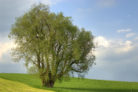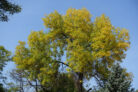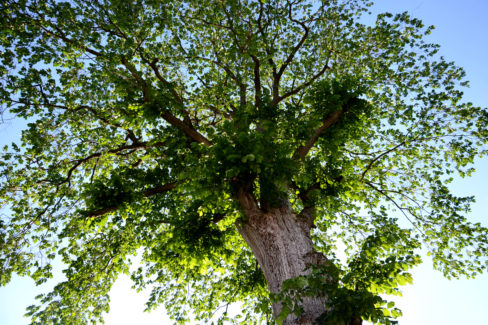
While elm trees are a staple across the Northern Hemisphere, they’ve been having a really rough time lately. Despite their reputation for being tough, we’ve seen a massive decline in the elm population over the last few decades. These majestic trees are facing some serious health threats, most notably the dreaded Dutch Elm Disease.
Common Elm Tree Diseases
Since elms can live for several hundred years (check out our elm tree profile for more on their lifespan!), you might think they’re invincible. Unfortunately, that’s just not the case. Natural elm populations have been shrinking fast. While changing weather patterns and environmental stress play a role, the real culprits are usually these two issues:
- Dutch Elm Disease
- Fungal Leaf Spot
Dutch Elm Disease
Dutch Elm Disease is the “big one”—it’s easily the most dangerous and feared disease for any elm owner because it can kill the entire tree. It’s actually spread by the elm bark beetle, a pest that likely hitched a ride from Asia via timber imports.
Here’s why these beetles are so dangerous: they tunnel into the tree and hang out in the elm’s vascular system (the “pipes” that move water). This effectively clogs the tree’s plumbing. Once the water and nutrients can’t flow, the branches start to wilt, and eventually, the whole tree dies off.
Sadly, there isn’t a “silver bullet” cure for this yet. Once an elm is infected by these beetles, it usually dies within two to five years. Field Elms are particularly vulnerable, while other varieties, like the Golden Elm, tend to be a bit more resilient.
Dealing with Leaf Spot
Another common headache for elm lovers is fungal leaf spot. This usually comes in two flavors:
- Phloespora leaf spot
- Platychora leaf spot
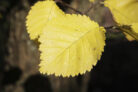
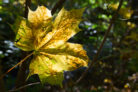
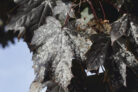
The first signs you’ll notice are yellow or brown discolorations on the leaves. If you flip the leaves over, you might see tiny fungal bodies with little white tufts. If you’re dealing with Platychora, the spots will look more like striking blackish-green blotches.
These fungi love shady, damp spots. The good news? Leaf spot is mostly a cosmetic issue and doesn’t usually threaten the overall life of the tree. However, you still want to stay on top of it. Make sure to prune away and rake up any infected leaves. Pro tip: Don’t toss these in your compost pile! Put them in the trash instead to make sure the spores don’t spread to the rest of your garden.