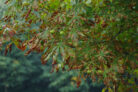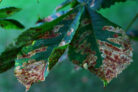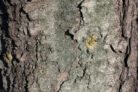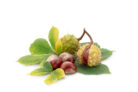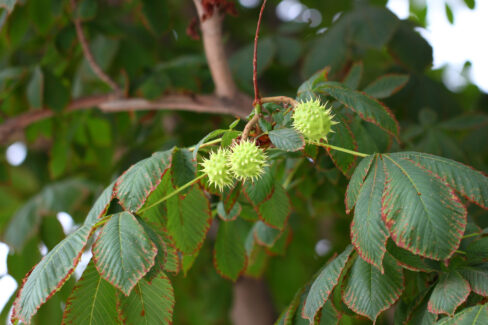
If you notice the leaves or bark on your sweet chestnut tree starting to look a little funky, don’t ignore it! Discoloration or strange textures are usually the tree’s way of waving a red flag that something is wrong. To keep your tree happy and healthy, it helps to know what you’re up against. Here’s a breakdown of the most common chestnut diseases and what you can do if your tree gets sick.
Chestnut Blight (Bark Cancer)
One of the biggest threats to these trees is Chestnut Blight, which is caused by a particularly nasty fungus. You’ll know it’s moved in if you see reddish patches forming on the bark. Eventually, the bark will start to crack and split open. This fungus is incredibly aggressive and has unfortunately wiped out entire forests in the past.
The good news? The fungus usually needs an “open door” to get inside. It enters through wounds or cracks in the bark, so a tree with healthy, intact bark is generally safe. This is exactly why I recommend that you prune your chestnut tree as little as possible. If your tree does get infected, your best bet is to head to a specialty garden center for a specific fungal isolate treatment to try and save it.
Spotting and Treating Ink Disease
Another common culprit is “Ink Disease.” You’ll notice this one if the leaves start wilting and the top of the tree (the crown) begins to die back. This usually happens when the soil is too wet and doesn’t drain well. Fungi love those soggy conditions; they’ll attack the roots and choke off the tree’s nutrient supply. You might even see a dark, ink-like fluid oozing from the trunk—hence the name!
How to keep your chestnut tree strong:
- Plant your tree in a sunny spot.
- Check your soil quality before planting.
- Keep pruning to a minimum.
To help a tree struggling with Ink Disease, you’ve got to fix the soil conditions. Try to improve the earth around the root zone by mixing in a drainage layer of gravel or sand to help water move away faster. It’s also a good time to rethink your watering routine. Remember, established chestnut trees don’t usually need a ton of extra water because their roots reach deep into the ground. Unless you’re dealing with a major heatwave, they’re pretty self-sufficient!