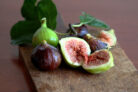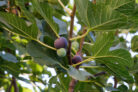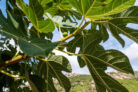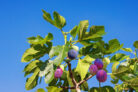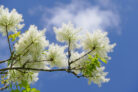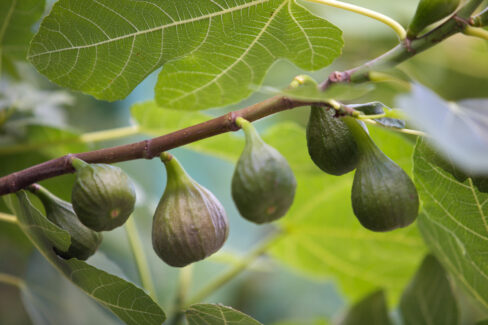
The fig blossom is a total botanical oddity. Unlike most plants that show off their flowers for the world to see, the fig keeps its blooms tucked away, hidden deep inside a protective shell. Because of this “secret” setup, these trees have developed a pretty unique way of getting pollinated.
The Inflorescence (The “Inside-Out” Flower)
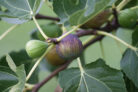
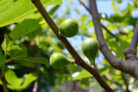
You’ll find the flower clusters tucked right where the leaves meet the stem. They’re bottle-shaped and honestly look a lot like the final fruit even in the early stages. Each green shell actually hides hundreds of tiny individual flowers inside. To let pollinators in, there’s a tiny opening at the bottom, though it’s heavily guarded by small scales called bracts.
In the wild, figs are dioecious, meaning you have separate “male” and “female” trees. However, most of the varieties we grow in our backyards today are self-fertile. Even so, I’ve noticed that even the self-fertile types tend to produce a much better harvest if there’s another fig tree nearby to keep them company!
Pollination: A Tiny Helper
In many parts of the world, we stick to self-fertile varieties because “natural” fig pollination is actually pretty complicated. It relies entirely on a tiny specialist: the fig wasp. The cycle is wild—the wasps hatch inside the flower, where they mate. The wingless males never actually leave the fig; they spend their whole lives inside. The females, however, crawl out, getting dusted with pollen on their way out. They then fly to another fig to lay their eggs, passing that pollen along in the process.
This cycle can happen up to three times a year. In commercial orchards, growers often plant wild fig trees alongside their cultivated ones to keep the wasp population happy. These wild figs usually produce smaller fruit, but they’re still perfectly edible.
Fruit Development and Harvest
Figs have been a staple in Europe and Asia for centuries. Long before refined sugar was a thing, figs were a primary source of sweetness! While we aren’t 100% sure where they started, most experts point to the Mediterranean. Nowadays, they’re a massive crop in Southeast Asia, too. For those of us growing figs in cooler climates, you’ll usually see the fruit start to develop around July.
You’ll know your figs are ready when the skin feels soft and gives slightly under gentle pressure. Once they hit that peak ripeness, don’t wait! They don’t stay fresh for long, so you’ll want to eat them or turn them into jam right away.