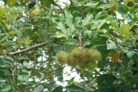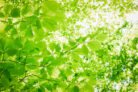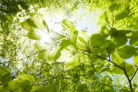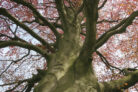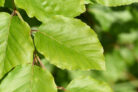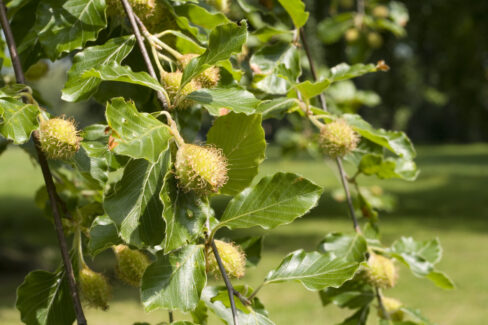
When the short blooming window for beech trees arrives, you’ve really got to keep your eyes peeled! If you’re searching for a splash of bright color, you’re going to be disappointed. To actually spot these flowers, you have to lower your expectations a bit and look closely to tell the difference between the blooms and the new spring foliage.
The blooming season is a blink-and-you’ll-miss-it event
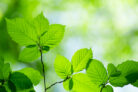
The blooming period for a beech tree is incredibly short, usually lasting only about three weeks. If you want to catch them in action, timing is everything. A great rule of thumb is to watch for the first bright green leaf buds to open, as the flowers typically emerge right alongside the leaves.
- Flowers and leaves appear at the same time.
- Blooming usually kicks off in late April.
- The season typically wraps up by May.
- In unusually warm years, you might see blooms as early as March.
- In very cold years, they might hold off until late June.
Keep in mind that beech trees need to reach “maturity” before they can flower and produce fruit. For most, this takes at least 10–15 years, but our native European beech can take anywhere from 30 to 50 years to finally bloom!
What do the flowers look like?
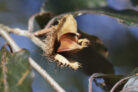
Beech trees (scientifically known as *Fagus*) are monoecious, which is just a fancy way of saying a single tree produces both male and female flowers. While they look distinct from one another, both types are pretty subtle.
- Flowers grow on the young, new branches.
- Female flowers grow in small groups of two or three.
- They sit upright inside a small, four-lobed casing.
- Male flowers are a bit more noticeable because they grow in dense clusters.
- These clusters hang down on long, thin stalks.
- Both types are dressed in “camouflage” colors—mostly shades of yellow, green, and brown.
Quick Tip:
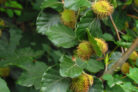
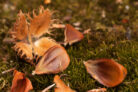
That casing around the female flowers eventually hardens into a woody cup where the nuts develop. In the fall, these “beechnuts” drop from the tree. Just a heads-up: they are slightly toxic if eaten raw, but you can eat them once they’re roasted (the young leaves are edible, too!).
Watch out for allergies
If you’re a hay fever sufferer, take note: beech pollen can trigger allergic reactions. Even though the blooming season is short, those flu-like symptoms are no fun at all. Before you plant one of these giants in your yard, make sure no one in your household is sensitive to the pollen.
Note:
Want to learn more about these impressive trees? Since they are among the most common deciduous trees in our forests, there’s plenty to discover in our Beech Tree Profile.