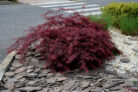
Lichens can spread so aggressively that your azalea starts to struggle. You might notice leaves dropping or fewer flower buds popping up. Even worse, these “harmless” lichens can act like a magnet for actual pests that might finish the job. We definitely don’t want it to get to that point!
Are lichens on azaleas a big deal?
Technically, lichens don’t harm azaleas directly. However, they can overgrow the plant so much that it starts losing leaves and buds. They also tend to harbor pests. Lichens absolutely love damp branches, so the best fix is to keep the air moving. Make sure to thin out your azalea every fall to improve circulation.
Why are some azaleas covered in lichens?
If your garden azalea is covered in lichens, it’s usually because the branches are staying damp for too long. Lichens—which are actually a cool symbiotic team of fungi and algae—thrive in moist environments. You’ll usually see them on azaleas where moisture can’t evaporate easily, such as:
- A planting spot that is too shady
- Plants packed too closely together
- Skipping your annual thinning/pruning
- A generally humid or damp garden microclimate
Even indoor azaleas can run into lichen trouble if they are crowded too tightly against other houseplants.
Is lichen dangerous for the azalea?
Lichen just uses the azalea branches as a place to sit; it doesn’t “eat” the plant or steal nutrients. But if it completely blankets the branches, the azalea will start losing leaves and flower buds. The real danger, though, is that lichens provide the perfect hiding spot for pests that *do* want to harm your plant.
How can I get rid of lichen on my azalea?
The goal is to improve airflow so moisture evaporates quickly. Here’s your game plan:
- Give your garden azalea a thorough thinning out.
- Don’t forget to prune those inner branches.
- Trim back any neighboring plants that are crowding it.
- Give indoor azaleas more “elbow room” by moving them away from other plants.
- Give it a boost with some fertilizer before the blooming season starts.
Is the ground around your azalea covered in moss? That’s a sign that rainwater isn’t draining well. Long-term, you might need to dig up the azalea to add a drainage layer or transplant it to a spot with better soil.
How can I prevent lichen in the first place?
When planting azaleas, try to give them enough space so air can circulate all the way around. Make it a habit to thin out the canopy every fall, and prune away spent blooms or dry branches as soon as you see them. Keep an eye on neighboring plants to make sure they aren’t touching or overgrowing your azalea.
Pro Tip: Check for pests!
If your azalea has been covered in lichen for a while and is starting to look a little sickly, it’s time for a close inspection. Pests may have already moved in. If you want your azalea to bounce back, you’ll need to treat those pests immediately along with fixing the airflow.