Whether it’s a string of scorching summer days or a never-ending rainy spell, clematis can get stressed out pretty easily. When they’re stressed, they become magnets for trouble. If you start noticing funky spots on the foliage, you’ve got to move fast—it might be the dreaded leaf spot disease, better known as clematis wilt.
How do I fight leaf spot disease on my clematis?
Clematis wilt is a type of leaf spot disease that hits some varieties harder than others. You can tackle it by aggressively pruning away any sick plant parts and using a good fungicide. The silver lining? Even if the entire plant looks like it’s dying above ground, the roots usually stay healthy. Your clematis is a fighter and can actually survive this!
Which specific leaf spot diseases affect clematis?
The main culprit is clematis wilt, and it actually comes in two flavors: Phoma wilt and Fusarium wilt. Most of the time, you’re dealing with Phoma wilt. This is a clematis disease caused by a fungal pathogen (Ascochyta clematidina). If you’re growing those stunning large-flowered hybrids, keep a close eye on them—they are unfortunately the most susceptible.
What actually happens to the plant during clematis wilt?
Whether it’s Phoma or Fusarium, the fungus basically acts like a clog in the plant’s plumbing. It invades the vascular system, blocking the flow of water and nutrients. Since the “pipes” are jammed, the leaves and stems can’t get what they need to survive. In severe cases, this can cause the entire upper portion of the plant to collapse and die back.
What are the symptoms of clematis wilt?
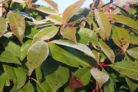
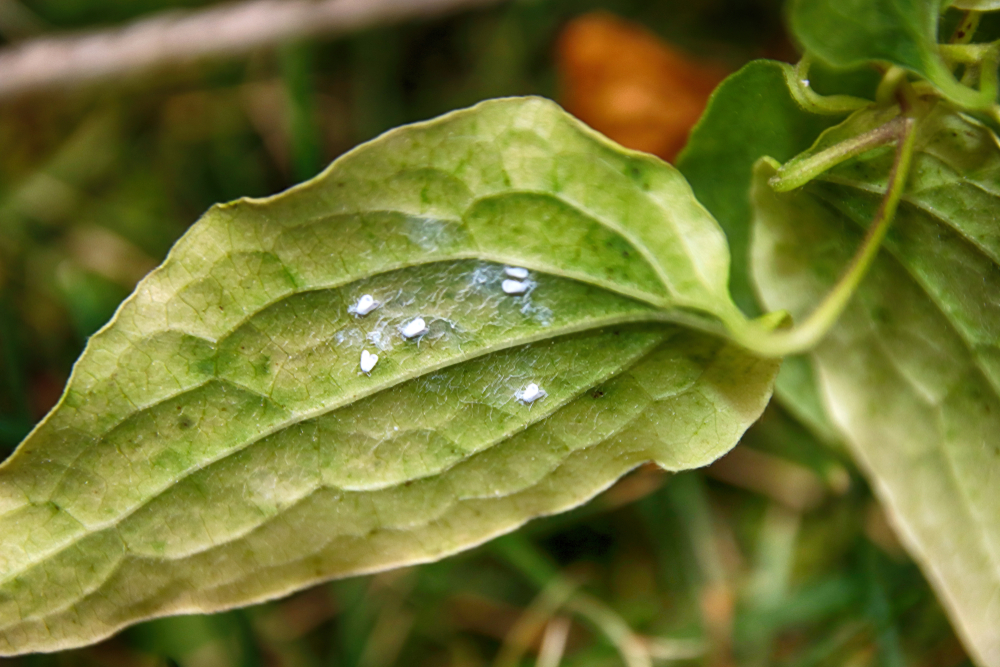
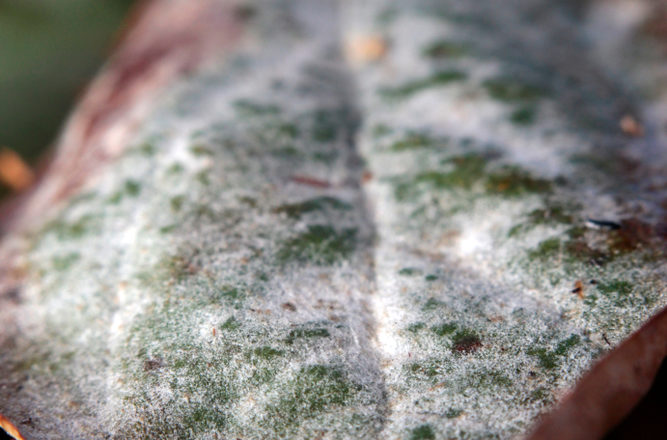
This disease is a death sentence for clematis leaves if left unchecked. With Phoma wilt, you’ll first notice small, tan or yellowish spots on the foliage. Over a few days, these spots grow larger and turn a dark, ominous brown. Eventually, the clematis leaves turn brown, dry up completely, and fall off.
What should I do with a sick clematis?
Speed is your best friend here. Remove infected leaves immediately and cut back any stems that show signs of wilting. Pro tip: Don’t throw those clippings in your compost pile! You don’t want the fungus hanging around. Toss them in the household trash instead. To really stop the fungus in its tracks, you’ll usually need to follow up with a fungicide treatment.
Can I prevent leaf spot disease on my clematis?
Prevention is all about picking the right spot and giving your plant some TLC. To keep wilt at bay, plant your clematis somewhere sunny but airy—you don’t want it baking in stagnant heat. A spot protected from heavy rain is also a huge plus. Good drainage is non-negotiable, and regular fertilizing keeps the plant’s immune system strong. Also, when you’re watering, aim for the soil—try your best to keep the leaves dry!
When does this disease usually strike?
Phoma wilt usually rears its head in May or June, especially when the weather is warm and humid. Fusarium wilt, on the other hand, is a mid-summer problem that thrives when temperatures really start to soar.
Quick Tip: An infection isn’t the end of the road!
Since clematis wilt only attacks the parts of the plant above the soil, the roots are usually safe and sound. Even if your clematis completely dies back to the ground, don’t dig it up! With a little patience, it can sprout brand-new growth in two or three years. Sometimes gardening is just a waiting game.