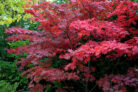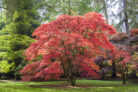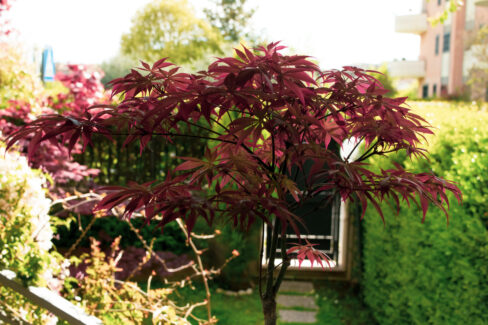
The original Laceleaf Maple, with its delicate, deeply lobed foliage, hails from Asia. Thanks to its often whimsical, architectural shape and stunning colors—ranging from vibrant greens and deep reds to variegated patterns and golden autumn hues—it’s a total showstopper in any backyard. But if you want yours to truly thrive, it all starts with picking the perfect spot.
Location and Soil
Laceleaf Maples love a spot that gets plenty of sun or filtered shade. They can be a bit finicky when it comes to constant drafts, so finding a place sheltered from the wind is key. Here’s a quick checklist for the ideal home:
- A sunny to partially shaded location.
- Protection from harsh midday sun (this prevents leaf scorch/sunburn).
- Bright light is especially important for red-leaf varieties to keep their color vivid.
- A naturally warm, wind-protected nook.
- Nutrient-rich soil.
- Soil that stays fresh and moist.
- Well-draining substrate.
- No standing water (this helps prevent root rot and frost damage).
- Good humidity levels (planting near a pond or stream is a pro move!).
When it comes to the soil itself, these maples prefer a sandy-humus loam. Aim for a pH level that is slightly on the acidic side.
Planting and Care
The best time to get your Laceleaf Maple in the ground—or into a large container—is in the spring once the threat of frost has passed. Give it a good, deep soak right after planting. If you’re a DIY fan and want to mix your own potting soil for containers, try a blend of about 90% Douglas fir bark mixed with some perlite and sand.
Since these trees have shallow root systems, they don’t handle drought very well. During those scorching summer months, you’ll need to water regularly. A thick layer of mulch over the root zone is a lifesaver; it keeps the moisture in and the roots nice and cool.
If you’re growing yours in a pot, plan on repotting it every three to five years into a slightly larger container to give it room to grow.
Moving Your Tree
If your maple isn’t quite happy in its current spot, you’ll know it. You might see leaf drop, stunted growth, or even signs of disease. In these cases, transplanting might be necessary. Even if you notice these issues during the summer, you’ll need to be patient. Wait until the following spring to move it. The best time to carefully relocate your Laceleaf Maple is just before the new buds start to break.