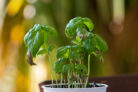
As basil plants get older, they have a tendency to get “woody.” When the stems turn tough and bark-like, you’ll usually notice the leaves getting smaller and losing that signature punchy aroma. But don’t worry! Here’s how you can keep your basil lush, tender, and flavorful for as long as possible.
Smart Harvesting Keeps Stems Tender
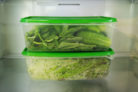
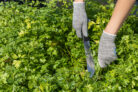
Basil is technically a small shrub. If you let it grow straight up, it’ll eventually flower and the stems will harden. To prevent this, avoid the temptation to just pluck off individual leaves. Instead, you should harvest entire stems by pinching them off just above a leaf node (that’s the spot where new leaves branch out from the main stem). This encourages the plant to branch out into two new stems, making it bushier rather than taller. Keep harvesting regularly to keep that growth in check! If you have more basil than you can eat right away, you can easily freeze it, dry it, or use other storage methods to save the harvest.
Proper Care Prevents Woodiness
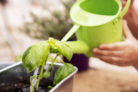
Basil plants thrive when they have a steady supply of the basics. Start by potting yours in high-quality potting soil . It’s also a heavy feeder, so using an organic fertilizer every four to six weeks will keep it growing strong. Consistency is key with watering, too—keep the soil moist but not soggy, as too much water leads to root rot and mold. On the flip side, if the plant gets too dry or runs out of nutrients, it’ll start turning woody as a survival tactic.
The Perfect Spot
Your basil wants a bright, sunny location . Just be careful with intense, direct midday sun, which can actually scorch the leaves. If you’ve just brought a plant home from the store, acclimate it to direct sunlight gradually. Also, keep it warm! Basil hates temperatures below 60°F (15°C). If it gets too chilly, you’ll likely see yellow leaves, diseases , or the plant dropping its leaves altogether.
What to Do if Your Basil is Already Woody
If your stems have already turned into “sticks” and the plant is looking a bit sad, you can try a hard prune or start fresh with cuttings . Here’s the game plan:
- Cut the stems back at a leaf node, just like you would when harvesting.
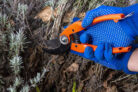
- Use a sharp knife or garden snips to get a clean cut.
- Leave at least two or three pairs of leaves on the base of the plant so it has enough energy to grow back. (Note: Don’t try this on tiny, very young seedlings).
- Move the pruned pot to a warm, slightly shaded spot and be careful not to overwater it.
- Strip the leaves from the stems you cut off and use them in the kitchen.
- Take those leftover stems and turn them into cuttings by placing them in a glass of water.
- In about two weeks, you should see roots! Once they’re established, you can transplant your new “clones” into a fresh pot of soil.
Pro Tip: Honestly, trying to save an old, woody plant usually isn’t worth the effort. You’ll have much better luck—and tastier pesto—by using those cuttings to grow brand-new, rejuvenated plants!