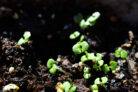
Fresh basil is a total game-changer in the kitchen, isn’t it? To make sure you always have a bunch on hand for your pasta or caprese, the best move is to grow it yourself. But here’s the thing: basil is a “light germinator,” which means there are a few specific tricks to getting those seeds to sprout.
What Exactly Is a Light Germinator?
Most seeds just need water, warmth, and oxygen to get going because they pack their own “starter fuel” inside the seed. However, light germinators need—you guessed it—extra light to trigger their growth. If you bury them in the dark, they’ll just sit there and eventually rot or wither away.
To give these seeds the brightness they crave, you have to be careful with the soil. The golden rule is that the layer of soil covering the seeds should be no thicker than the seed itself. Honestly, it’s often better not to cover them with soil at all! Along with basil, other plants that love the spotlight include dill, cress, carrots, mustard, celery, and tomatoes.
Choosing the Right Soil
If you’re planning on a direct sowing and don’t want to deal with transplanting later, go for a high-quality vegetable potting mix . These mixes usually come pre-fertilized, which is great because basil is a “heavy feeder”—it’s got a big appetite for nutrients! Just make sure the soil drains well, as basil absolutely hates having “wet feet” (standing water).
Alternatively, you can start with a seed-starting mix, which has very little fertilizer . Once the little seedlings are strong enough, you can prick them out and move them into a richer vegetable soil or another well-draining potting medium.
Tips for a Successful Sowing
Technically, you can sow basil year-round, but it’s a bit of a diva in the winter because of the low light and chilly temps. For the best results, try to grow your basil between March and October. If you’re planting late in the season, aim to get your last seeds in the ground by late August.
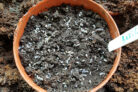
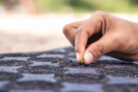
Here’s how to do it: Grab a pot (about 5-6 inches in diameter), fill it with soil, and press it down lightly. Scatter those tiny seeds on the surface and gently press them into the dirt—don’t bury them! Use a spray bottle or a watering can with a fine rose to water them carefully so you don’t wash the seeds away.
To keep the moisture consistent, you can stretch some plastic wrap over the top of the pot. This creates a mini-greenhouse effect with plenty of warmth and humidity. If you see too much condensation building up, just poke a few small holes in the plastic.
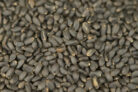
Pro Tip: Basil seeds are teeny-tiny! To avoid overcrowding your pot, try mixing the seeds with a little bit of fine, dry sand. It makes them much easier to sprinkle evenly.