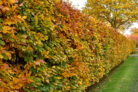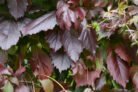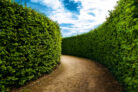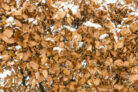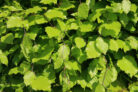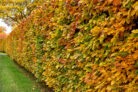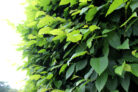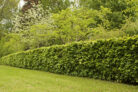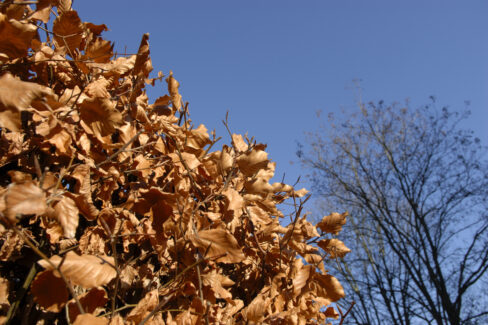
If your beech hedge is starting to turn brown in the fall, don’t panic—it’s actually totally natural! Beeches are deciduous trees, meaning they naturally shed their leaves in the autumn (though sometimes they’ll hang onto those dried leaves until spring). However, if your hedge starts looking crispy way too early, you might be dealing with pests, disease, or just a case of “wrong plant, wrong place.”
Location Matters for a Happy Beech Hedge
Beech trees can be a little picky about where they live. To keep them looking lush and green, they really need a spot that checks these boxes:
- A sunny to partially shaded location is ideal.
- The soil shouldn’t be too acidic.
- They like “goldilocks” moisture—the soil needs to stay consistently damp.
- However, they hate “wet feet.” Standing water or waterlogging is a one-way ticket to root rot and disease.
If your hedge is browning prematurely, check your soil moisture first. If it’s bone dry, you’ll need to step up your watering game. If you’re dealing with a very dry or sandy spot where moisture just won’t stick around, you might want to consider planting Hornbeams instead—they’re much less fussy than European Beeches.
When Disease Turns Leaves Brown
Sometimes, diseases are the culprit behind those brown patches.
The most common offenders are:
- Powdery Mildew, which usually starts as a white, dusty coating on the leaves before they turn.
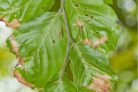
- Leaf Spot Fungus, which creates distinct brown spots. If you see this, you’ll likely need to pick up a fungicide from your local garden center to get it under control.
Pests Can Cause Browning, Too
If it’s not a fungus, it might be pests making a meal out of your hedge.
Keep an eye out for:
- Hornbeam Spider Mites
- Whiteflies
You’ll know you have a pest problem if the leaves start curling up, drying out, and dropping off the branch earlier than they should.
To fix this, grab your shears and prune away the affected sections—just make sure to toss those clippings in the trash, not the compost pile! Afterward, treat the hedge with an appropriate insecticide to keep the bugs from coming back.
Post-Winter Browning
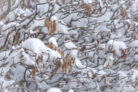
Notice some brown branches once the winter thaw hits? Usually, this is just “snow break.” If the snow gets too heavy, it can snap smaller branches. The fix is easy: just prune those broken twigs back to healthy wood.
As your hedge gets older, it’s also normal to see some occasional browning or a few dying branches here and there. You can keep your hedge looking youthful and vibrant by trimming it regularly and giving it a “rejuvenation prune” every once in a while.