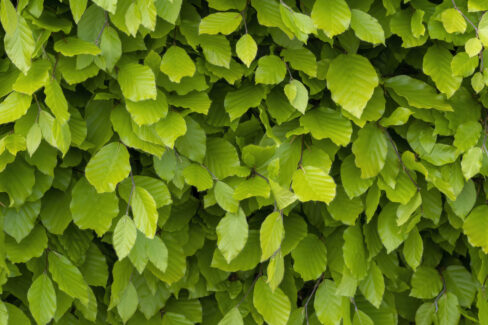
Beech trees are incredibly tough, low-maintenance additions to any yard, and they usually shrug off pests without much trouble. However, a major aphid infestation can actually put your beech hedge at risk. You’ll definitely want to step in and take action if you spot them—especially if your trees are young, newly planted, or already looking a bit stressed.
Signs You’ve Got an Aphid Problem
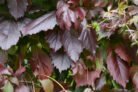
If your beech hedge suddenly starts turning brown and the leaves are curling up, wilting, or dropping off, consider that your red alert. It’s time to get up close and personal with your hedge to check for pests.
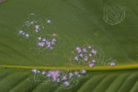
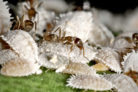
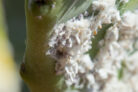
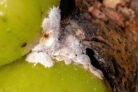
Take a look at the underside of the leaves. If you see tiny, white, fuzzy-looking insects about two millimeters long, you’re dealing with the Woolly Beech Aphid. These little guys are pretty common and go by a few different names:
- Beech Blight Aphid
- Woolly Beech Leaf Gall
- Beech Ornament Aphid
They get these names because of the “fluff” they leave behind. These tiny insects secrete honeydew—a sticky, white liquid that coats the leaves and looks just like bits of wool or cotton.
Why the Woolly Beech Aphid is Bad News
You might find several generations of aphids living on your hedge at once. The tricky thing is that these pests often spend their entire lives on a single leaf, sucking away at its nutrients.
The sticky honeydew they leave behind acts like a magnet for other pests. But the real danger comes from fungal spores that find an easy way into the tree through the tiny holes the aphids bite into the foliage. For a struggling beech tree, this can be a double whammy. You might even see “sooty mold” start to grow on the honeydew, which can cause long-term damage to your trees.
How to Get Rid of the Infestation
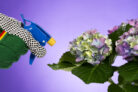
To kick these aphids to the curb, you can use specific insecticides found at your local garden center. When applying these, make sure to coat the entire plant—don’t forget those leaf undersides where they love to hide! To prevent future outbreaks, keep up with regular pruning and make sure your trees are getting plenty of nutrients through proper fertilizing.
One pro tip: make sure to rake up any fallen leaves and toss them in the trash. Avoid the compost pile! These pests can actually overwinter in the leaf litter and come back even stronger next spring.
Believe it or Not, They Do Some Good
I know, I know—finding pests on your prized plants is super frustrating. But even the Woolly Beech Aphid plays a small part in the local ecosystem.
That sticky honeydew they produce is actually a great food source for bees and helps support a healthy garden environment. So, while you don’t want them taking over your hedge, they aren’t all bad!