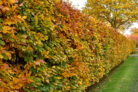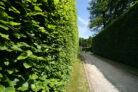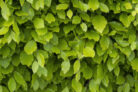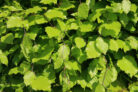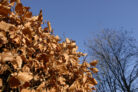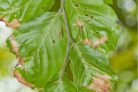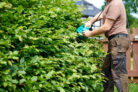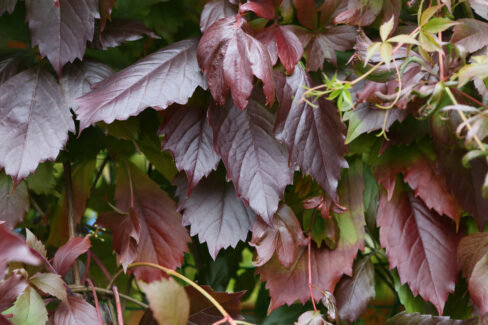
Beech hedges are incredibly hardy and usually don’t give you much trouble if they’re planted in the right spot. However, when we hit those extremes—like a super soggy spring or a bone-dry summer—pests might decide to move in. If you’re wondering how to spot and get rid of these uninvited guests, I’ve got you covered with some practical tips.
Common Pests Found on Beech Hedges
Here are the usual suspects you might find hanging out in your hedge:
- Beech woolly aphids
- Whiteflies
- Spider mites
- Gall midges
Generally speaking, an older, established beech hedge is a tough cookie and can handle a minor infestation on its own. However, you’ll definitely want to step in and help out if you have young trees or a freshly planted hedge.
If your older beech trees are already looking a bit under the weather, don’t wait—clear those pests out immediately to give the hedge a fighting chance.
Pro-tip: Prevention is the best medicine! Make sure your hedge is getting the right nutrients and isn’t sitting in standing water or parched soil. Also, keeping up with regular pruning is a fantastic way to keep your hedge healthy and pest-resistant.
Dealing with Beech Woolly Aphids
Beech woolly aphids (sometimes called beech blight aphids) can become a real headache. These aphids coat the leaves in a sticky substance called honeydew. If you notice a lot of ants crawling all over your beech leaves, they’re likely there to feast on that honeydew.
Here’s what to do:
- Carefully prune away any infested branches and toss them straight into the trash (not the compost!).
- If the infestation is mild, try to avoid chemical sprays. Bees and butterflies actually eat that honeydew, and we want to keep our pollinators safe! Instead, try spraying the trees with a natural stinging nettle tea or encourage “good bugs” like lacewings, hoverflies, and ladybugs to move in and do the dirty work for you.
Tackling Whiteflies and Spider Mites
You’ll usually find whiteflies hanging out on the undersides of the leaves, while spider mites are famous for spinning fine, tell-tale webs across the foliage.
How to fight back:
- Your first move should be to prune off the affected parts of the plant.
- Afterward, make sure to rake up and remove any fallen leaves from the ground. These pests love to overwinter in leaf litter.
- Just like with the aphids, make sure those clippings go in the garbage, not your compost pile, so the pests don’t spread.
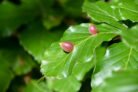
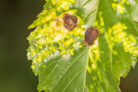
What about those weird little bumps? If you see small galls or “pustules” on individual leaves, you’re likely looking at gall midges. The good news? They don’t actually hurt the hedge. They’re mostly a cosmetic issue and will disappear on their own when the leaves drop in the autumn.