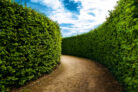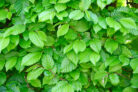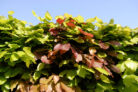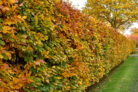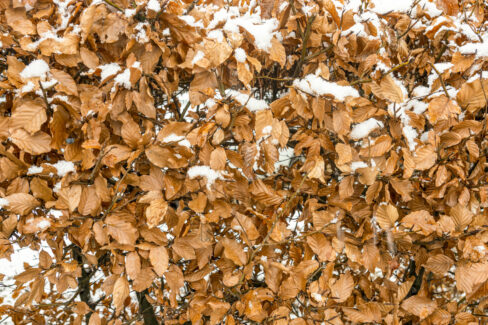
Beech hedges are becoming a real favorite for home gardeners, and it’s easy to see why! They handle pruning like a champ and put on a gorgeous show of color in the fall. Plus, if you pick the right variety, you can keep that natural privacy screen going all through the winter. Here are my top tips for making sure your hedge stays happy and healthy during the colder months.
Not all varieties drop their leaves
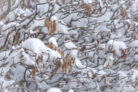
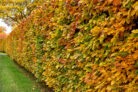
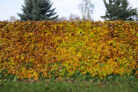
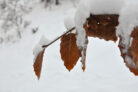
Technically, beeches are deciduous trees. In the fall, many types will drop their leaves, which can leave your hedge looking a bit thin. But here’s a pro tip: if you choose the right variety, you can maintain your privacy all winter long. These specific types keep their withered, brown leaves clinging to the branches until the new green buds push them off in the spring.
European Beech (Rotbuche) or Copper Beech (Blutbuche) are your best bets here. They don’t drop their foliage until springtime, making them perfect for a year-round screen. Plus, those copper tones add a lovely bit of warmth to an otherwise gray winter landscape.
Do beeches need winter protection?
For the most part, beech trees are incredibly hardy. Once they’re established, they can handle temperatures as low as -22°F (-30°C) without breaking a sweat.
However, if you’ve just planted your hedge, it’s a good idea to give it a little extra TLC. Young plants haven’t developed deep root systems yet, so a bit of protection helps prevent the soil from drying out, ensuring those baby roots can still get the moisture they need.
Why a mulch layer is a game-changer
Even though your hedge is tough, I always recommend spreading a nice layer of mulch over the root zone in the fall.
Organic materials work best—think along the lines of:
- Grass clippings
- Straw
- Fallen leaves
- Bark mulch
- Peat
This mulch layer does more than just keep the moisture in; it keeps the soil nice and loose so it doesn’t get compacted.
This is super important because European Beeches absolutely hate “wet feet.” If the soil gets too compacted and waterlogged, your hedge becomes a magnet for diseases or pest infestations.
As a bonus, that mulch slowly breaks down over time, releasing essential micronutrients that act as a natural fertilizer for your hedge.
One last thing: if you’re having a particularly dry winter, don’t forget to give your hedge a drink on days when the ground isn’t frozen!
Pruning your beech in the winter
Believe it or not, the winter months are actually the perfect time to prune your beech hedge.
Aim for a dry day toward the end of February. Just keep an eye on the thermometer—you want to avoid pruning if it’s colder than 40°F (5°C), as the frost can damage the fresh cuts.